
Diaphragm Pump Kits Explained Your Guide to Operation and Maintenance
Why Diaphragm Pump Kits Matter for Professional Fluid Transfer
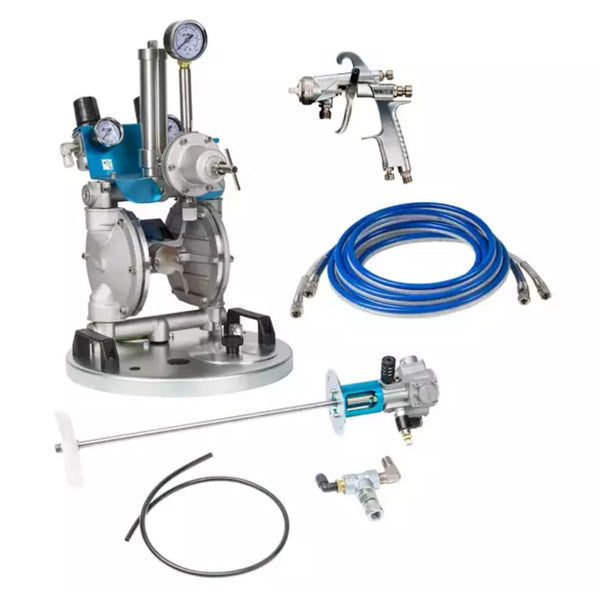
A Diaphragm pump kit is a complete, ready-to-use fluid transfer system that uses air pressure to move liquids via reciprocating diaphragms. These all-in-one kits are essential for professional automotive and industrial applications because they provide everything needed for immediate operation, including the pump, hoses, regulators, and fittings.
Their key advantage is versatility. They safely transfer a wide range of fluids, from paints and solvents to viscous chemicals and materials with small solids. Because they are air-powered, they are inherently explosion-proof, making them ideal for hazardous fluids. The self-priming design can run dry without damage, and flow is easily controlled from a gentle transfer to high-volume pumping.
Common applications include moving automotive paints to pressure pots, dispensing adhesives, managing waste fluid, and handling industrial coatings. A proper kit ensures consistent, safe, and efficient performance, protecting your fluids and workspace.
With over 30 years in the coatings industry, I've seen at Eastern Auto Paints how the right diaphragm pump kit transforms workshop efficiency. Understanding these systems is key to choosing the right one for your needs.
What's Included in a Complete Diaphragm Pump Kit?
When you invest in a diaphragm pump kit, you're getting a complete, ready-to-operate fluid transfer solution designed to work straight out of the box. This all-in-one approach is invaluable for professional workshops, from automotive paint shops in Melbourne to industrial facilities in Dandenong South.
Core Pump Components
The pump's reliability comes from its core components working in unison.
- Diaphragms: These flexible membranes are the heart of the pump, flexing to draw fluid in and push it out. NBR (nitrile rubber) is excellent for general automotive paints and solvents, while Teflon offers superior resistance for aggressive chemicals.
- Air Valve Assembly: This directs compressed air to each diaphragm, creating the reciprocating motion. A well-designed valve allows the pump to run dry without damage.
- Fluid Manifolds & Pump Body: These provide the fluid pathways and structural housing. Materials like aluminum (lightweight durability), polypropylene (chemical resistance), or stainless steel (ultimate corrosion protection) are chosen based on the fluid being pumped.
- Check Balls or Flap Valves: These small but crucial parts ensure fluid moves in one direction, opening and closing with each stroke to prevent backflow and ensure a consistent output.
Essential Kit Accessories
A complete diaphragm pump kit includes all necessary accessories for a fully functional transfer station.
- Hoses: A durable suction hose draws fluid from the source, while a chemical-resistant delivery hose carries it to its destination, such as a spray gun or pressure pot.
- Air Regulator and Gauge: This gives you precise control over the pump's speed and output by adjusting air pressure. For best results, pair it with a quality air filter and regulator to ensure clean, dry air.
- Fluid Filter & Suction Lance: Many kits include a filter to protect the pump from contaminants and a suction lance or tube to extract every last drop from drums or tanks.
This complete approach means you can connect to your compressed air and start working immediately. You can explore our range of Diaphragm Pump Kits to see what's included with each system.
Available Configurations for a Diaphragm Pump Kit
Diaphragm pump kits come in several configurations to match your workflow.
- Wall-mounted systems are ideal for dedicated transfer areas, keeping hoses and controls organized and off the floor.
- Drum-mounted kits offer convenience for working directly from 205-litre drums, creating a compact and contained setup.
- Portable trolley kits provide mobility, allowing you to move the entire system around a larger facility.
For specialized tasks like automotive refinishing, the Anest Iwata Diaphragm Kit with Agitator includes an integrated agitator to keep paints properly mixed, preventing pigment settling and ensuring colour consistency. The 2Spray Diaphragm Pump Kit range also offers various models to suit different flow rate requirements.
Key Benefits of Using a Diaphragm Pump System
Diaphragm pump kits deliver the operational advantages and reliability that professional settings demand. Their efficiency and safety have transformed workshops across Victoria for decades.
Best Versatility for Various Fluids
One of the most impressive aspects of a diaphragm pump kit is its ability to handle almost any liquid. Whether you're transferring automotive paints, aggressive solvents, viscous fluids like adhesives, or even slurries with small solids, these pumps perform consistently. This versatility extends to various industrial coatings as well. The secret is the wide range of available diaphragm and body materials (from NBR and Teflon to aluminum and stainless steel), allowing you to configure a pump that perfectly matches your fluid's properties.
Cost-Effective and Efficient Operation
A quality diaphragm pump kit is a smart financial decision. The complete kit minimizes setup time and reduces downtime. The air-powered design is highly efficient, as it only consumes compressed air when actively pumping, lowering utility costs for intermittent use. Their simple, robust construction means less maintenance and a longer service life. Purchasing a bundled kit is also great value, ensuring all components are compatible and typically costing less than sourcing parts individually. This approach minimizes waste, prevents spills, and keeps your processes running efficiently.
High-Performance and Reliable Fluid Transfer
In demanding environments, reliability is essential. Diaphragm pumps deliver consistent performance that keeps operations running smoothly.
- Consistent Flow Rate: They provide steady material delivery, which is critical for feeding pressure pots and achieving uniform spray finishes.
- Self-Priming Capability: Pumps can lift liquids from below without manual priming, saving time and effort when emptying drums.
- Dry-Run Safe Design: They can run indefinitely without fluid, protecting internal components if a container empties unexpectedly. This provides peace of mind and prevents costly repairs.
- Explosion-Proof Design: As air-operated systems with no electrical parts at the pump head, they are inherently safe for flammable materials like paints and solvents.
With flow rates up to 100 L/min, these pumps can handle high-volume tasks without creating bottlenecks. Whether you choose the 2Spray diaphragm pump kit or the specialized Anest Iwata kit with agitator, you get a system engineered for power and precision. You can explore our complete range of diaphragm pump kits to find the right match for your needs.
Choosing the Right Diaphragm Pump Kit for Your Application
Picking the right diaphragm pump kit is crucial for smooth operations. Matching the pump to your specific task and performance needs will prevent frustration and ensure efficiency.
Material and Construction
The materials used in your pump determine its longevity, especially when handling aggressive or abrasive fluids.
Pump Body Materials: Aluminum is a great workhorse for general automotive paints and oils, balancing durability and cost. Polypropylene is the go-to for corrosive chemicals, acids, and alkalis due to its high resistance. For the most demanding applications with aggressive chemicals or for sanitary needs, stainless steel offers superior strength and corrosion resistance.
Diaphragm Material: This is critical as it's in direct contact with your fluid. NBR (Nitrile Rubber) is ideal for oils, fuels, and non-aggressive chemicals. For serious chemical resistance against acids, bases, and aggressive solvents, Teflon (PTFE) is unbeatable. Hytrel® is another option, offering a good balance of flexibility and strength. Always check the chemical compatibility of all wetted parts with your fluids to ensure safe operation and prevent contamination.
Key Performance Specifications to Consider
Understanding a few key specs will help you choose the right pump.
- Flow Rate: Measured in litres per minute (L/min), this tells you how quickly the pump moves fluid. High-volume tasks require a higher flow rate (e.g., 100 L/min), while smaller operations might only need 50 L/min.
- Air Pressure: Most pumps operate between 2 and 6 bar (30 to 90 PSI). Ensure your compressor can supply the required pressure and volume.
- Port Size: Common sizes like 1-inch or 1 1/2-inch affect flow rate and compatibility. Larger ports handle higher flows and more viscous fluids better.
- Solids Handling: This indicates the maximum particle size (e.g., 1.5 mm) the pump can handle without clogging, which is important for waste fluids or slurries.
Our 2Spray Diaphragm Pump Kit offers robust performance for daily workshop use.
Application-Specific Kits
Diaphragm pump kits can be configured for specific tasks.
- Automotive Refinishing: Kits like the Anest Iwata Diaphragm Kit with Agitator are designed for paint handling, with features to keep pigments mixed and prevent colour inconsistencies.
- Industrial Manufacturing: These require heavy-duty setups for continuous operation with industrial coatings, adhesives, and process chemicals.
- Chemical Transfer: These kits prioritize safety and material compatibility, using polypropylene bodies and Teflon diaphragms to handle corrosive and flammable liquids.
- Waste Fluid Management: These are built for durability and easy cleaning, designed to handle contaminated fluids and debris without clogging.
These pumps shine across an impressive range of applications: agricultural spraying, industrial cleaning, general fluid transfer tasks, food and beverage processing, water and wastewater treatment, construction (especially dewatering and transferring cementitious materials), oil and gas operations, pharmaceutical and medical fluid handling, paper manufacturing, and of course paint and coatings formulation and application.
The right kit doesn't just perform reliably, it improves safety and efficiency in your specific workflow. Browse our full range of diaphragm pump kits to see what's available, or contact us if you'd like help selecting the perfect configuration for your operation. We've been helping workshops across Victoria for over 34 years, and we're always happy to share what we've learned.
Operation and Maintenance Best Practices
Your diaphragm pump kit is a robust piece of equipment, but proper use and care are essential for long-term performance. Most issues stem from setup oversights or skipped maintenance, which are easy to avoid.
Proper Setup and Operation
Getting your diaphragm pump kit up and running correctly from the start is key to reliable service.
- Connect Air Supply Correctly: Always use an air filter and regulator to provide clean, dry air. Moisture and debris in the air line will damage the pump's air motor.
- Prime the Pump: Ensure the suction tube is fully submerged in the fluid. The pump is self-priming, but this ensures a quick start, especially with viscous materials.
- Adjust Flow Rate: Start with low air pressure (around 2 bar / 30 PSI) and gradually increase it to achieve the desired flow. Running at maximum pressure unnecessarily increases wear.
- Ground for Safety: When transferring flammable fluids like automotive paints or solvents, always ground the pump, hoses, and containers to prevent static sparks. This is a non-negotiable safety step.
Routine Maintenance for Your Diaphragm Pump Kit
"Low maintenance" doesn't mean "no maintenance." A few simple habits will prevent unexpected downtime.
- Regular Inspections: Before and after each use, visually check hoses for cracks, connections for tightness, and look for any leaks.
- Cleaning After Use: This is critical. After transferring materials that can harden, like paint, immediately flush the pump and hoses with a compatible cleaning solvent to prevent blockages.
- Check for Leaks: Routinely check for drips, as even minor leaks waste material and can be a safety hazard. Tighten fittings and replace seals as needed.
Basic Troubleshooting
Most problems with diaphragm pump kits have simple solutions.
- Pump Won't Prime: Check that the suction hose is submerged, not kinked, and that all connections are airtight. Ensure the air supply is on and set to at least 2 bar (30 PSI).
- Low Flow Rate: Check for low air pressure, a clogged suction filter, or worn diaphragms/check valves that may need replacing.
- Fluid in Air Exhaust: This indicates a ruptured diaphragm. Stop the pump immediately. Replacing diaphragms is a standard maintenance task, and keeping a spare set on hand minimizes downtime.
If you've checked the basics and the problem persists, contact us for expert guidance on our kits, including the 2Spray Diaphragm Pump Kit and Anest Iwata Diaphragm Kit with Agitator.
Frequently Asked Questions about Diaphragm Pump Kits
What industries commonly use diaphragm pumps?
Diaphragm pump kits are used across many industries due to their ability to handle hazardous, viscous, and abrasive fluids. Key sectors include:
- Automotive refinishing: Transferring paints, primers, and solvents to pressure pots.
- Manufacturing: Moving chemicals, coolants, oils, and industrial coatings.
- Chemical processing: Safely handling corrosive acids and bases.
- Construction: Dewatering and transferring slurries and grouts.
- Food and beverage: Hygienic transfer of food-grade liquids (using stainless steel models).
- Oil, gas, and mining: Handling crude oil, lubricants, and processing fluids.
- Water and wastewater treatment: Dosing chemicals and transferring sludge.
Their versatility makes them a cornerstone for safe fluid handling, from paints to adhesives.
Can a diaphragm pump run dry?
Yes. A major advantage of air-operated diaphragm pump kits is their ability to run dry for extended periods without damaging internal components like the diaphragms or air valve. This is unlike many other pump types that would fail. This capability means you don't have to constantly monitor fluid levels and can completely empty containers without risking pump damage, adding a significant layer of reliability.
How do I control the flow rate of a diaphragm pump?
Controlling the flow rate of a diaphragm pump kit is simple: you adjust the air supply using the kit's air regulator.
- To increase flow, increase the air pressure. This speeds up the pump's cycle rate.
- To decrease flow, reduce the air pressure. This slows the pump down for more delicate tasks or precise dosing.
This direct control allows you to adjust the output from a trickle to a powerful stream. For best results and pump protection, always use a dedicated air filter and regulator as part of your setup.
Conclusion
We've explored diaphragm pump kits, from their essential components and diverse configurations to their myriad benefits and operational best practices. It's clear that these robust and versatile systems are more than just pumps; they are crucial tools for professionals across countless industries, particularly in automotive refinishing and industrial applications.
Their ability to handle a vast array of fluids, from delicate paints and aggressive solvents to viscous slurries, combined with their inherent safety features like dry-run capability and explosion-proof design, makes them an indispensable asset. The cost-effectiveness derived from reduced downtime, efficient air-powered operation, and low maintenance requirements further solidifies their value.
At Eastern Auto Paints, with over 30 years of industry expertise, we understand the critical role reliable fluid transfer plays in achieving superior results. Whether you're in Melbourne, Sydney, or Queensland, we're committed to providing the right solutions for your business.
Ready to improve your fluid handling capabilities? Explore our complete range of diaphragm pump kits online, or for custom advice and to discuss your specific needs, please don't hesitate to contact us. Our expert team is always here to help you make the best choice.