
Does It Really Matter? The Ultimate Guide to Automotive Clearcoats
Why Understanding Clearcoat Types Makes All the Difference
Types of clearcoat fall into several key categories that affect both performance and application:
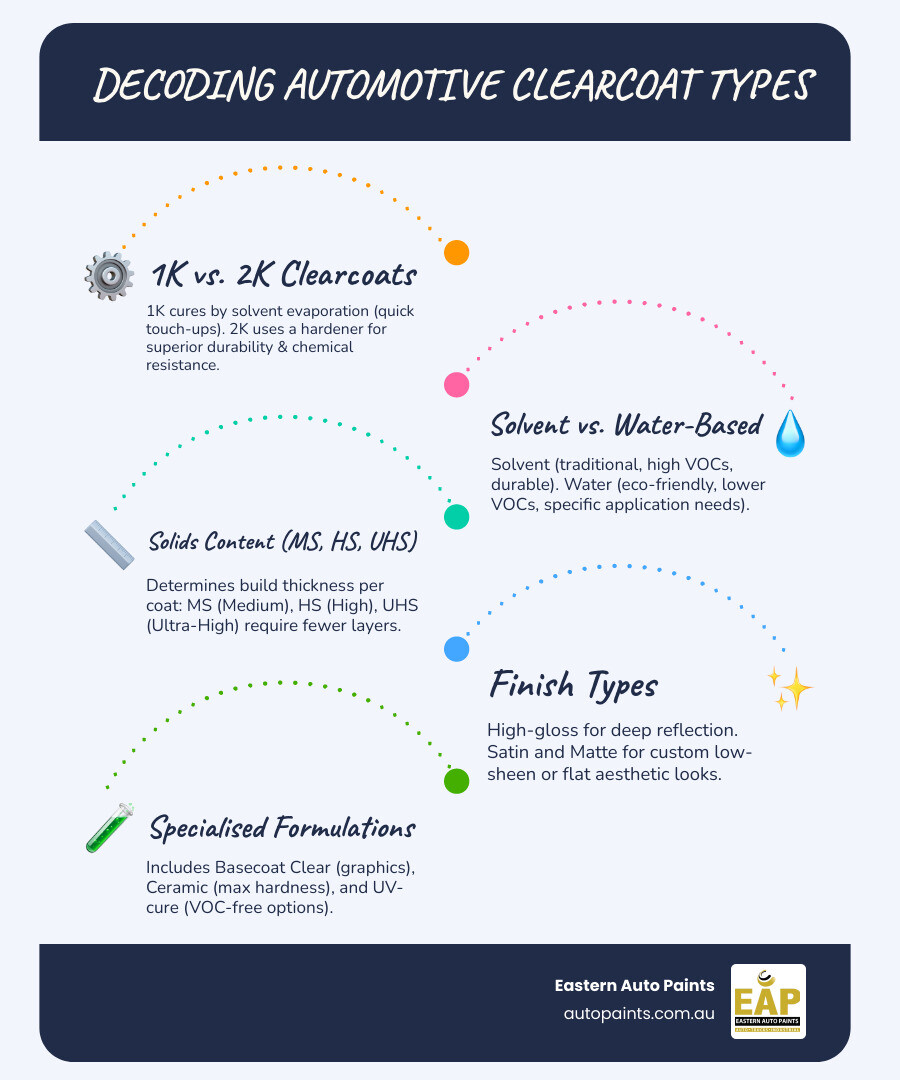
- 1K (Single-Component) Clearcoats: Cure through solvent evaporation, ideal for quick touch-ups and aerosol applications.
- 2K (Two-Component) Clearcoats: Mixed with a hardener before use, offering superior durability and chemical resistance.
- Solvent-Based vs. Water-Based: Traditional solvent-based formulas have higher VOCs, while water-based options are more eco-friendly.
- By Solids Content: Medium Solids (MS), High Solids (HS), and Ultra-High Solids (UHS) determine the build thickness per coat.
- By Finish Type: High-gloss, satin, and matte options for different aesthetic goals.
- Specialised Formulations: Including basecoat clear for graphics, ceramic clearcoats for maximum hardness, and UV-cure options.
If you've ever wondered why some cars maintain a showroom shine for years while others fade and peel, the answer is often the clearcoat. This transparent top layer is the unsung hero of automotive paint, protecting your vehicle's colour from UV rays and road chemicals while delivering a deep, lustrous finish.
However, not all clearcoats are created equal. The type you choose affects durability, ease of application, and how well it stands up to the harsh Australian climate. Whether you're doing a full respray or a minor repair, understanding the differences between 1K and 2K formulas, solids content, and finish types is crucial for achieving results that last. With over 30 years of experience in coatings technology, our team at Eastern Auto Paints helps customers select the right clearcoat for a reliable, professional finish.
The Dual Role of Clearcoat: More Than Just a Shine
Clearcoat serves two critical functions: it creates a stunning finish and builds a protective fortress around your paint. It's the ultimate finishing touch that acts as the first line of defence against the road and environment, functioning as both makeup and armour for your car.
The Aesthetic Function: Bringing Colour to Life
Although transparent, clearcoat is responsible for the incredible depth and lustre of a well-finished car. It amplifies the colour underneath, creating a vibrant, wet look that makes colours appear richer and more dimensional. This is especially true for metallic and pearl finishes, which would otherwise look flat and lifeless.
Clearcoat also provides a uniform sheen across the entire surface, levelling minor imperfections and making complex graphic work look seamless. Different types of clearcoat allow you to choose your desired look. While high-gloss is the classic choice for a mirror-like reflection, you can also select satin or matte finishes for a contemporary, understated appearance. The right clearcoat, paired with the right products can completely transform your vehicle's final look.
The Protective Function: A Shield for Your Paint
Beyond aesthetics, the protective qualities of clearcoat are essential. It provides triple protection: mechanical, chemical, and climatic.
- Mechanical Protection: Formulated to be harder than the colour coat, clearcoat resists light scratches, chips from road debris, and minor abrasions, preserving the basecoat underneath.
- Chemical Resistance: It acts as a barrier against damaging substances like fuel, tar, road salt, and harsh detergents, preventing them from corroding the paint.
- Climatic Protection: This is especially critical in Australia. Clearcoats contain UV blockers that shield the basecoat from harsh sunlight, preventing the fading and degradation that would otherwise make a vibrant colour look weathered and tired.
This comprehensive defence is why choosing the right clearcoat is so important.
Decoding the Main Types of Clearcoat by Chemistry
Understanding a clearcoat's chemistry is key to choosing the right product. The chemical composition determines its application, durability, and protective qualities. Here are the main types of clearcoat based on their chemistry.
1K vs. 2K Clearcoats: Convenience vs. Durability
The primary difference between 1K and 2K clearcoats is how they harden.
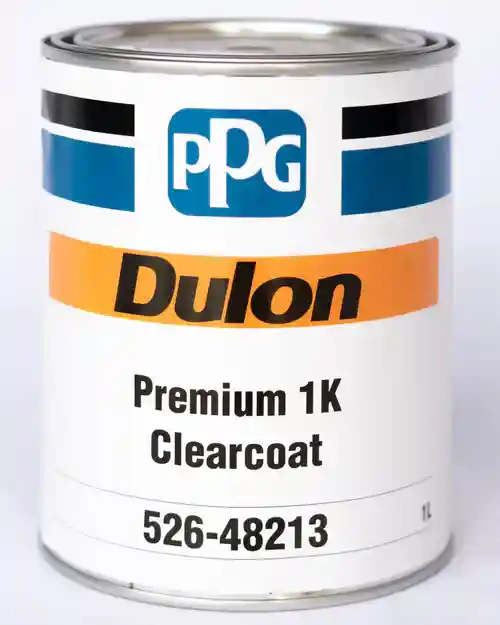
- 1K (Single-Component) Clearcoats: These products cure as solvents evaporate. Found often in aerosol cans, they are convenient for small repairs and touch-ups with no mixing required. While easy to use, they don't offer the same durability as 2K options. For quick fixes, our convenient 1K clearcoats are an excellent choice.
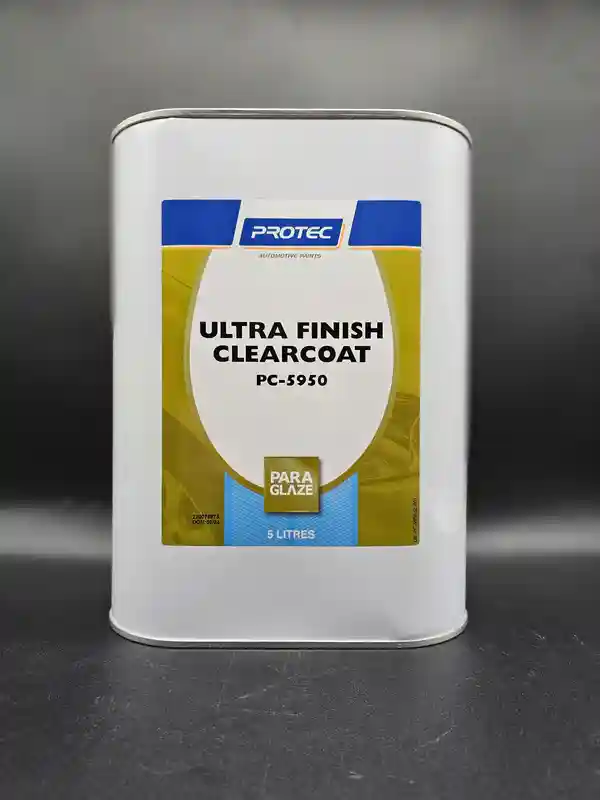
- 2K (Two-Component) Clearcoats: These systems require mixing the clearcoat with a hardener, which triggers a chemical reaction (cross-linking) for a much harder, more durable finish. This curing process provides superior hardness, chemical resistance, and longevity, making 2K the professional's choice for full resprays and high-quality finishes. Explore our professional-grade 2K clearcoat range for high-performance results.
Solvent-Based vs. Water-Based: The Environmental Factor
Solvent-Based Clearcoats: The traditional choice, these use organic solvents for excellent flow and a smooth finish. However, they contain higher levels of volatile organic compounds (VOCs), which contribute to air pollution and require proper ventilation and safety gear.
Water-Based Clearcoats: The eco-friendly alternative, these use water as the primary carrier, dramatically reducing VOC emissions. Modern formulas offer durability and quality that rival solvent-based options, though application can be more sensitive to humidity. Regardless of type, always use proper safety gear like PPE masks.
Specialised Formulations: From Intercoat to Ceramic
Beyond the basics, specialised clearcoats exist for specific needs.
Basecoat clear (or intercoat clear) is essentially a clear basecoat used to protect graphics or create custom candy and pearl effects. It is not a final topcoat. The table below compares it to a true urethane clear.
| Feature | Basecoat Clear (Intercoat/Midcoat Clear) | Urethane Clear (Final Clearcoat) |
|---|---|---|
| Composition | Made with basecoat ingredients; essentially clear basecoat. | Made with urethane resins; a distinct, harder topcoat. |
| Primary Use | Protecting graphic artwork, creating custom candy/pearl layers, blending repairs, providing a uniform foundation for subsequent layers. | Final protective layer over basecoat; provides gloss, UV protection, chemical resistance, and overall durability. |
| Curing Mechanism | Dries as solvents evaporate. | Cures via a chemical reaction with a hardener. |
| Durability | Offers some protection but is not as robust or chemically resistant as urethane clear. | Superior hardness, chemical resistance, and UV protection; designed for long-term durability. |
Ceramic clearcoats incorporate ceramic nanoparticles for dramatically improved hardness and resistance to scratches, UV rays, and chemicals. They offer unparalleled protection for high-end vehicles.
UV-cure clearcoats are a VOC-free innovation that cures rapidly under UV light. This allows for faster repair times and improved efficiency in professional shops.
Solids Content and Finish: How It Affects Performance
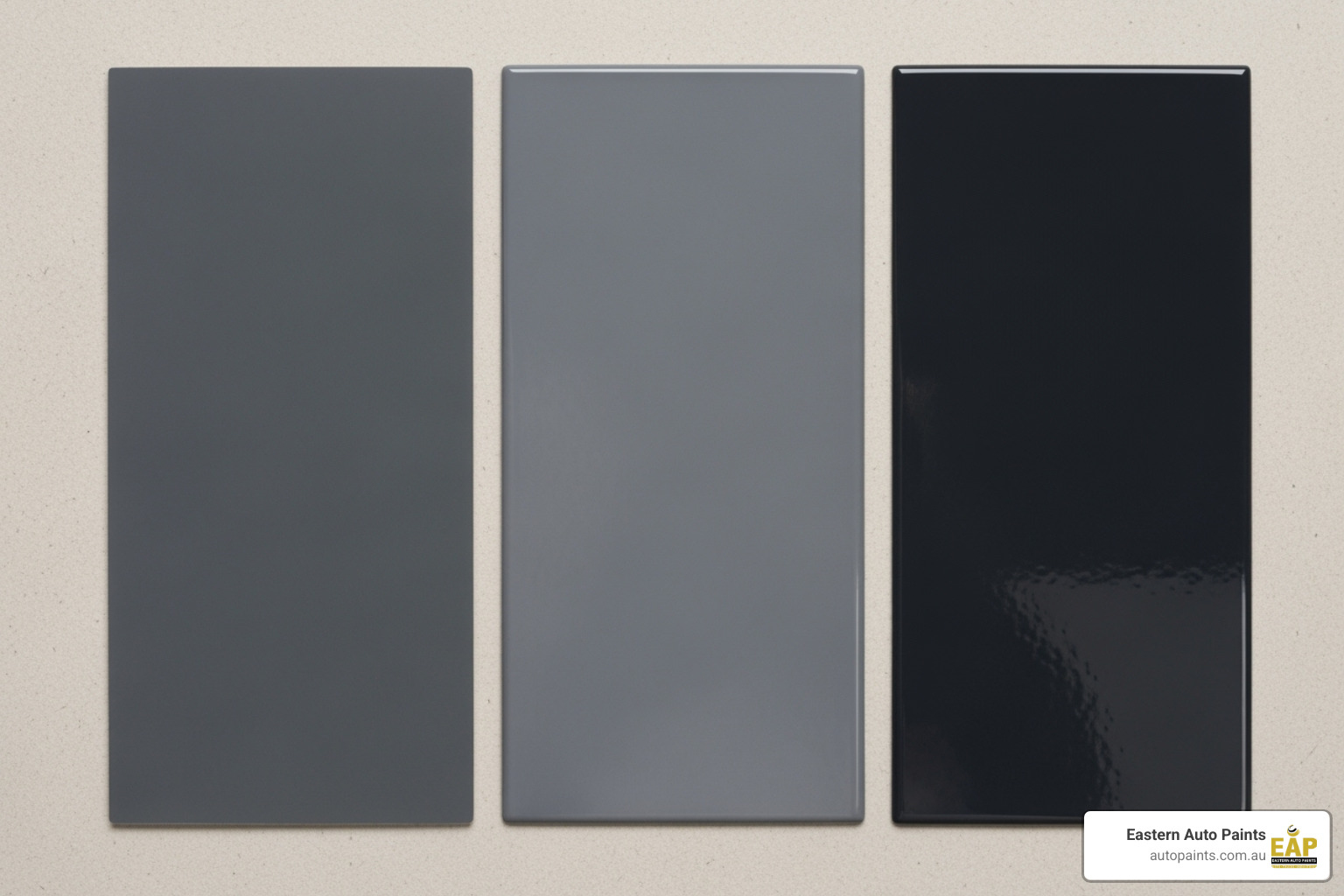
When choosing between types of clearcoat, solids content and finish type are critical specifications. Solids content refers to the percentage of protective material (resins, UV inhibitors) left after solvents evaporate. Higher solids mean more protection per coat, affecting the number of layers needed and the final build thickness.
Solids Content Explained: MS, HS, and UHS Clearcoats
Clearcoats are categorised by their solids content:
- Medium Solids (MS): With more solvent and less solid material, MS clearcoats flow well and are forgiving to apply, but require more coats to build adequate protection. They are a good starting point for DIY projects.
- High Solids (HS): Offering a thicker layer per coat, HS clearcoats save time, reduce material use, and lower VOC emissions. They provide an excellent balance of performance and workability, making them a professional favourite.
- Ultra-High Solids (UHS): These pack the maximum protective material, often requiring only two coats for exceptional durability, minimal shrinkage, and superior depth. UHS clearcoats are the top choice for show cars and high-end restorations but require more skill to apply.
For a durable foundation, always start with quality 2K primers that are compatible with your chosen clearcoat system.
Finish Types: High-Gloss, Satin, and Matt Clearcoats
The clearcoat defines your vehicle's final appearance. You can change the entire character of a colour simply by choosing a different finish.
- High-Gloss Clearcoats: This is the classic, mirror-like finish that creates a deep, wet look, making colours pop. It's the standard for a showroom shine.
- Satin and Matt Finishes: These low-sheen clearcoats have grown in popularity for a modern, understated look. They contain flattening agents that scatter light instead of reflecting it. Application technique is key, as heavier coats tend to produce more gloss.
For a truly unique look, consider combining different clearcoat finishes with our unique textured powdercoat colours to create a custom appearance.
The Practical Guide: Choosing and Applying the Right Clearcoat
Choosing and applying the correct clearcoat is about understanding your project and making smart decisions to ensure a long-lasting, professional result.
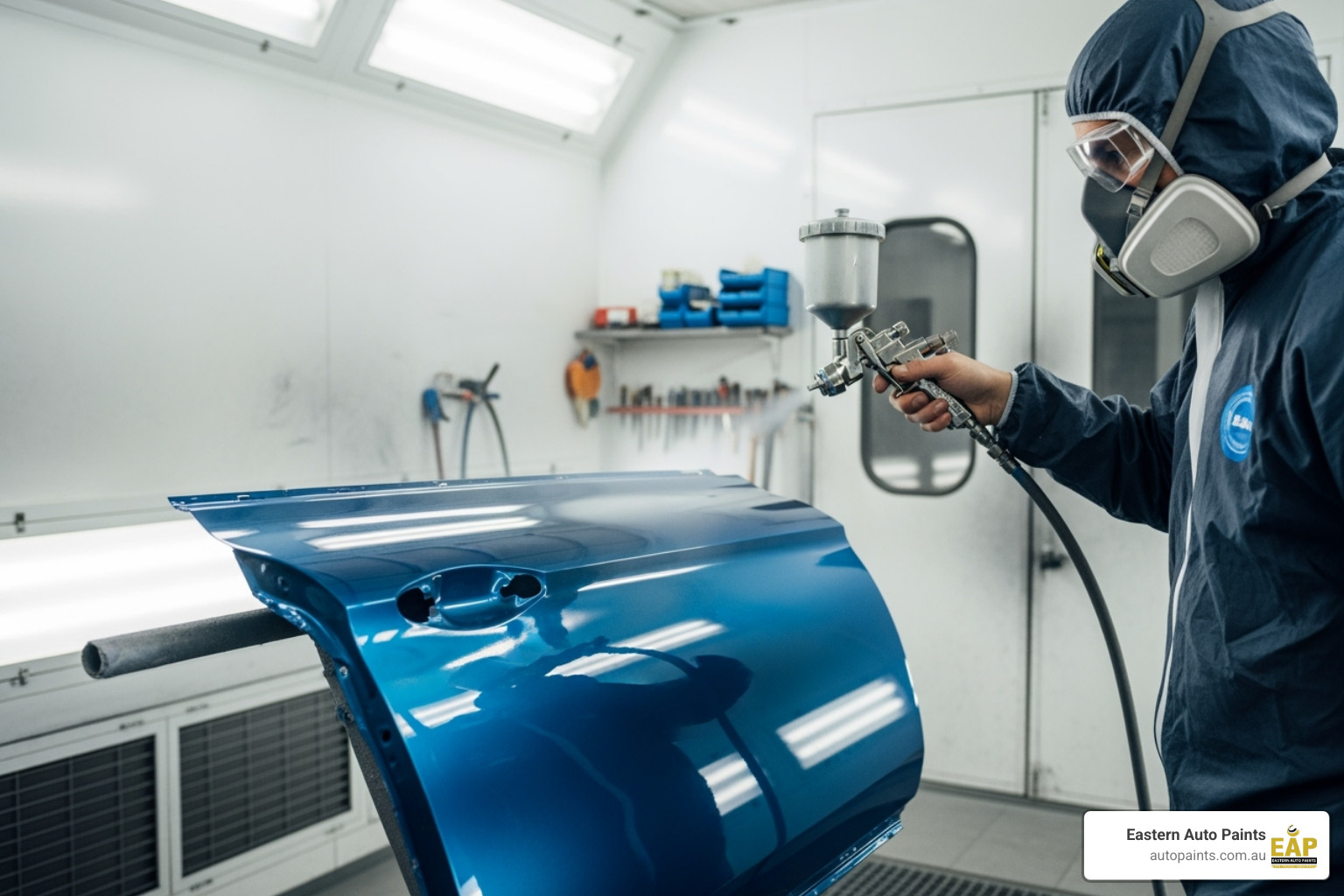
Ensuring Compatibility with Your Base Paint
Compatibility between your clearcoat and basecoat is the most important rule for a successful paint job. A mismatch can lead to peeling, poor adhesion, and finish failure.
- Respect the Recoat Window: Every basecoat has an ideal time frame for applying clearcoat to ensure proper bonding. Applying clearcoat too soon can trap solvents, causing bubbles, while waiting too long can prevent the clearcoat from adhering correctly. Always follow the manufacturer's technical data sheet (TDS).
- Ensure Chemical Harmony: The solvents and resins in your clearcoat must be compatible with your basecoat. When in doubt, test on a small area first. To eliminate guesswork, our extensive range of basecoat mixed colours is designed to work seamlessly with our clearcoat systems.
Key Specifications for Your Project
After confirming compatibility, consider these specifications to select the right types of clearcoat:
- VOC Content: Lower VOC products, like water-based or high-solids clearcoats, are better for the environment and your health. Always wear appropriate PPE masks regardless of VOC levels.
- Gloss Level: Choose between high-gloss for a classic mirror shine or satin and matte for a modern, subdued look.
- Drying Time: Fast-drying clearcoats are ideal for quick repairs, while slower-drying options provide a longer working time for achieving a perfect flow.
- UV Protection: Essential for Australia's climate, a high UV protection rating prevents fading and chalking. Acrylic and ceramic clearcoats offer excellent protection.
- Hardness and Durability: 2K urethane clearcoats offer great all-around durability, while ceramic clearcoats provide superior scratch and chemical resistance.
- Application Method: For large projects, professional application with one of our spray guns and accessories yields the best results. For smaller jobs and touch-ups, our convenient aerosol cans are a great option.
Troubleshooting and Long-Term Maintenance
Even with premium products, issues can arise. Fortunately, most problems are preventable, and many can be fixed. Understanding common challenges and proper maintenance will help you protect your investment for years.
Common Clearcoat Issues and How to Fix Them
- Trapped Solvents/Bubbles: Caused by applying clearcoat before the basecoat is fully dry. Fix: Always follow the recommended flash times between coats.
- Orange Peel: A dimpled texture resulting from improper spray technique or viscosity. Fix: Adjust spray settings. Minor orange peel can often be wet-sanded and polished out after curing, using products from our range of sanding sheets and discs.
- Cracking/Delamination: Serious issues often caused by incompatible products or excessive coat thickness. Fix: Prevention is key. Always test for compatibility and follow application guidelines.
- Poor Surface Prep: The root cause of many failures. Contaminants like oil or wax prevent proper adhesion. Fix: Always thoroughly clean and degrease the surface before painting.
Maintaining Your Clearcoat for Lasting Results
A well-applied clearcoat can last five to ten years with proper care. Regular maintenance extends its life and preserves its appearance.
- Washing: Hand wash regularly with a quality car wash soap and microfibre cloths. Avoid harsh automatic car washes and household detergents.
- Protection: After the 30-45 day curing period, apply a quality wax or sealant every few months. This adds a sacrificial layer of protection against contaminants.
- Environment: Protect your vehicle from harsh environmental factors. Park in the shade when possible and promptly remove contaminants like bird droppings or tree sap, as they can etch the clearcoat.
By understanding your local environment, from coastal salt spray to urban pollutants, you can tailor your maintenance routine to address issues before they become major problems.
Frequently Asked Questions about Automotive Clearcoats
Here are answers to some of the most common questions we receive about clearcoats.
Can I apply a clearcoat over old paint?
Yes, but only with critical surface preparation. The old paint must be in good condition, thoroughly cleaned, degreased, and sanded smooth (600-grit or finer) to ensure the new clearcoat adheres properly. Any imperfections underneath will be magnified by the new clearcoat. If in doubt, test on a small, hidden area first.
What is the difference between basecoat clear and urethane clear?
These two types of clearcoat serve very different purposes. Basecoat clear (or intercoat clear) is made from basecoat ingredients and is used between paint layers to protect graphics or create custom effects. It is not a final, durable topcoat.
Urethane clear is the final, durable topcoat. It's typically a 2K product that cures hard through a chemical reaction, providing long-term protection against UV rays, chemicals, and scratches. It delivers the deep, lasting gloss your vehicle needs.
How many coats of clearcoat are needed?
This depends on the solids content of the clearcoat.
- High-Solids (HS) or Ultra-High-Solids (UHS) clearcoats are more concentrated and typically require only 2-3 coats for full protection and depth.
- Medium-Solids (MS) clearcoats are less concentrated and may need 3-4 or more coats to achieve the same build.
Always follow the manufacturer's technical data sheet (TDS) for the specific product you are using. It will provide the exact number of coats and application instructions for the best results.
Your Partner for a Flawless Finish
Understanding the different types of clearcoat is the key to a professional, long-lasting finish. Whether you need convenience for a quick repair, ultimate durability for a full respray, or a specific aesthetic, there is a clearcoat designed for your project. The right choice, combined with proper application and maintenance, will protect your vehicle from Australia's harsh conditions for years to come.
For over 34 years, Melbourne-based Eastern Auto Paints has been the trusted supplier for professionals across Australia. We offer expert advice and premium products like Protec basecoat and many brands of 2K clear to ensure a perfect finish every time. Our team's expertise in advanced colour-matching technology and coatings means we can guide you to the ideal clearcoat for any project, from a commercial fleet to a custom show car.
Don't leave your paintwork to chance. Explore our full range of clear coats and see why professionals across Victoria, Sydney, and Queensland trust us for their most demanding projects.
Ready to achieve a flawless finish? Contact us today for expert advice custom to your specific clearcoat requirements.