

Mastering Pressure Pots Everything You Need to Know for Perfect Painting
Why a Pressure Pot for Painting Transforms Your Spray Results
A pressure pot for painting uses a pressurised tank to push paint to your spray gun, providing a consistent material flow that's essential for large-scale or high-viscosity projects. Unlike a gravity-feed gun that requires constant refilling and can interrupt your workflow, a pressure pot lets you focus on technique, not logistics.
Key Features of a Pressure Pot:
- Pressurised tank system holds 2 to 20+ litres of paint
- Separate air supply maintains constant fluid pressure independent of atomisation
- Large capacity allows uninterrupted spraying for full vehicle resprays or industrial jobs
- Handles high-viscosity materials like primers, epoxy coatings, and protective finishes
- Optional agitator keeps metallic and heavy-bodied paints properly mixed
- Reduces operator fatigue by eliminating the weight of paint from the spray gun
For automotive refinishing, industrial machinery coating, or marine applications, a pressure pot delivers the efficiency and consistency professionals rely on. With over 30 years of experience in coatings and spray systems, I've seen how the right setup transforms both the quality of a finish and the speed of a job. This guide will help you understand how these systems work to achieve flawless results.
What is a Pressure Pot for Painting and How Does It Work?
A pressure pot for painting is a sealed tank that uses compressed air to deliver paint to your spray gun under regulated pressure. Instead of attaching a small cup to your gun, the paint is held in a separate tank connected by hoses. This separation allows for a larger paint capacity and ensures your paint flows evenly from start to finish, which is critical when spraying a full vehicle or large equipment.
The Basic Principle
A pressure pot uses compressed air from your compressor to push paint through a fluid hose to the spray gun. This creates a constant material supply that flows at the same rate regardless of the gun's angle. The system uses two separate air lines: one to pressurise the paint in the tank (fluid pressure) and another to atomise the paint at the gun's nozzle (atomisation pressure). This independent control allows for fine-tuned adjustments, delivering a flawless, professional finish. Another key benefit is reduced gun weight. With the paint reservoir on the ground, your wrist and forearm won't fatigue, improving control over long jobs.
Key Components Explained
Understanding the parts of a pressure pot for painting helps you use it confidently.
- The Tank: Holds the paint, with capacities from 2 litres for small jobs up to 20 litres or more for industrial work. For waterborne paints, a stainless steel tank is essential to prevent corrosion. Our 2Spray 20L Pressure Pot Kit is ideal for automotive refinishing.
- Lid and Clamps: Heavy-duty clamps create an airtight seal with a gasket. A failed seal means lost pressure and inconsistent flow.
- Pressure Regulator & Gauge: The regulator lets you dial in the exact fluid pressure needed for your paint (up to 70 PSI), while the gauge provides a clear reading for repeatable results.
- Safety Relief Valve: This automatically releases pressure if it gets too high (usually around 72 PSI), preventing dangerous over-pressurisation.
- Fluid Pickup Tube: Extends to the bottom of the tank to draw paint, often with a filter to catch debris before it reaches the gun.
- Air Inlet & Fluid Outlet: These ports connect your compressor and spray gun via durable hoses.
- Agitator: A manual or pneumatic agitator keeps metallic or heavy-bodied paints properly mixed. The Anest Iwata Pressure Pot Kit with Manual Agitation is perfect for ensuring consistent colour with metallics.
Key Benefits and Common Applications
Investing in a pressure pot for painting upgrades your entire workflow, improving finish quality and reducing physical strain.
Top Benefits of Using a Pressure Pot
- Large Volume Capacity: With tanks holding up to 20 litres (5 gallons) or more, you can spray an entire vehicle without stopping to refill. This prevents dust contamination and start-stop marks in your finish.
- Consistent Flow: Regulated pressure ensures your paint atomises uniformly from start to finish, eliminating streaks and blotchy areas. This is invaluable for achieving consistent colour and texture across large surfaces.
- Handles High-Viscosity Materials: A pressure pot effortlessly pushes thick primers, epoxies, and protective coatings without excessive thinning, ensuring proper film build.
- Reduced Weight and Fatigue: Because the paint reservoir sits on the floor, the spray gun is much lighter. This reduces arm fatigue, leading to better control and fewer mistakes on long projects. Our 2Spray 20L Pressure Pot Kit includes wheels for easy mobility.
- Angle Flexibility: Paint is pushed, not pulled by gravity, so it flows consistently even when the gun is held upside down or sideways to reach tight corners.
- Proper Mixing: For paints with metallic pigments or heavy solids, an integrated agitator, like the one in the Anest Iwata Pressure Pot Kit with Manual Agitation, keeps materials blended for a uniform finish.
Common Applications in Automotive and Industrial Work
- Automotive Refinishing: A pressure pot is standard for full vehicle resprays. It allows for continuous application of primers, base coats, and clear coats, ensuring a seamless finish.
- Industrial and Commercial Coating: When coating heavy machinery, structural steel, or manufactured parts, pressure pots handle thick, protective materials like PPG Industrial Paints with ease. The large capacity is critical for maintaining a wet edge on large sections.
- Marine Applications: Pressure pots excel at applying thick marine coatings and anti-fouling paints over large, complex boat hulls and superstructures.
If you need help choosing the right system, contact our experts for advice. We can help you find the perfect setup for your needs.
Choosing the Right Pressure Pot for Your Painting Project
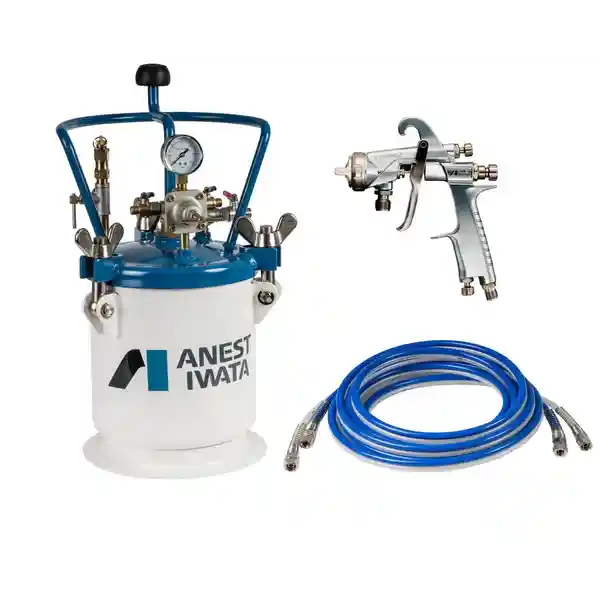
Selecting the right pressure pot for painting comes down to your job size, paint types, and whether you need an agitator.
Types of Pressure Pots Available
Pressure pots are defined by capacity and agitation. Capacities range from 2 litres for small repairs to 20 litres or more for full resprays. Most automotive shops find a 10-litre or 20-litre pot, like our 2Spray 20L Pressure Pot Kit, offers the best balance of capacity and manageability.
An agitator is essential for paints that settle, such as metallics or primers with heavy solids.
- Manual agitators use a hand crank to stir paint periodically. They are simple and reliable.
- Pneumatic agitators use compressed air to stir paint continuously, ideal for high-volume production.
Factors to Consider When Selecting a pressure pot for painting
- Tank Material: Standard steel pots work for solvent-based paints, but you need a stainless steel tank for waterborne coatings to prevent corrosion and contamination.
- Pressure Rating: Most pots operate up to 70 PSI (480 kPa), which is sufficient for nearly all coatings. Ensure the rating suits any high-viscosity materials you use.
- Included Accessories: All-in-one kits that include a spray gun, hoses, and regulators can be very cost-effective for a new setup. Explore our pressure pot range to see different configurations.
- Portability: Caster wheels are a must-have for larger units, making it easy to move the pot around your workshop.
- Ease of Cleaning: Look for features like removable liners or Teflon-coated interiors to speed up cleanup. Disposable pot liners can save hours of scrubbing.
Key Features to Look for in a High-Quality pressure pot for painting
- Heavy-duty lid clamps: Robust clamps (four or more) ensure an airtight seal.
- Accurate gauges: Easy-to-read gauges give you precise control over fluid pressure.
- Reliable safety relief valve: A non-negotiable feature that automatically prevents over-pressurisation.
- ASME certification: For industrial use, this mark indicates the pot meets stringent safety and construction standards.
- Internal fluid filter: A filter on the pickup tube prevents debris from clogging your gun.
Setup, Safety, and Maintenance for Peak Performance
Even the best pressure pot for painting system won't perform optimally without proper setup, adherence to safety protocols, and diligent maintenance. These steps are critical for achieving a flawless finish, ensuring operator safety, and extending the lifespan of your equipment.
How to Properly Set Up and Use Your System
Follow these steps for a flawless start:
- Inspect: Before each use, check the tank, hoses, and connections for damage or wear.
- Prepare and Strain Paint: Mix your paint thoroughly and always strain it through a filter to remove impurities that could clog the gun.
- Fill and Seal: Pour paint into the pot (or liner) and secure the lid by tightening all clamps evenly to create an airtight seal.
- Connect Hoses: Attach the air hose from your compressor to the pot's air inlet and the fluid hose from the pot's outlet to your Anest Iwata spray gun.
- Set Pressures: Slowly introduce air to the pot, adjusting the regulator to the paint manufacturer's recommended fluid pressure (typically 10-30 PSI). Set your atomisation air pressure at the gun separately.
- Test Spray: Always spray a test pattern on scrap material to fine-tune your settings before painting your workpiece.
Critical Safety Considerations
Working with pressurised equipment is serious business.
- Depressurise Before Opening: Never attempt to open the lid until all pressure is released via the safety relief valve.
- Respect Pressure Limits: Operate within the unit's specified maximum pressure (typically 60-70 PSI).
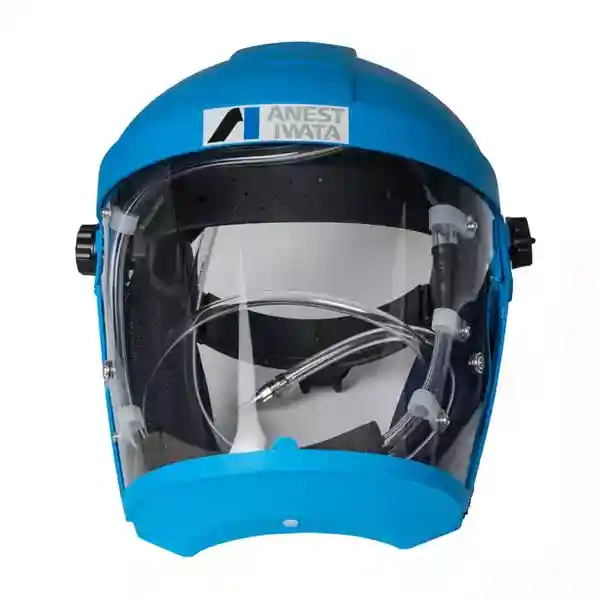
- Use Personal Protective Equipment (PPE): Always wear a proper respirator, like one of our Air Fed Masks, plus safety glasses, gloves, and protective clothing.
- Ensure Proper Ventilation: Work in a well-ventilated area with proper extraction to disperse hazardous and flammable fumes.
- Ground Your Equipment: Prevent static sparks when using solvent-based paints by ensuring your system is properly grounded.
- Handle Chemicals Safely: Follow all manufacturer guidelines and health warnings. For more information on chemical safety, refer to official guidelines such as www.p65Warnings.ca.gov.
Cleaning and Maintenance for Longevity
- Daily Flushing: After each use, flush the pot, hose, and gun with a compatible cleaning solvent until it runs clear.
- Use Correct Solvents: Use water-based cleaners for waterborne paints and appropriate thinners for solvent-based paints to avoid damaging seals.
- Consider Disposable Liners: These drastically reduce cleaning time and solvent use.
- Inspect Gaskets and Seals: Regularly check the lid gasket and O-rings for wear or damage and replace them as needed to prevent leaks.
- Long-Term Storage: Clean and dry the system thoroughly before storing it to prevent rust and corrosion.
For high-volume shops, our solvent recycling machines can significantly reduce waste and costs.
Troubleshooting Common Pressure Pot Problems
Even the best pressure pot for painting system can have issues, but most are easy to fix. Here’s a quick guide to common problems.
Inconsistent Spray or Sputtering
This is often caused by inconsistent flow.
- Check Fluid Pressure: Ensure your gauge shows a steady, correct pressure for your paint.
- Clean Filters and Nozzles: A clogged fluid tip, air cap, or internal filter is the most common culprit. Disassemble and clean your gun and check the pot's pickup tube filter.
- Check for Air Bubbles: Tighten all hose connections to prevent air from being drawn into the fluid line.
- Verify Paint Viscosity: If paint is too thick, it won't atomise properly. Thin it according to the manufacturer's data sheet.
Leaks from the Lid or Fittings
Leaks waste paint and compromise pressure.
- Inspect the Gasket: A worn, cracked, or dirty lid gasket is the primary cause. Clean or replace it.
- Tighten Clamps Evenly: Work your way around the lid, tightening clamps gradually to ensure a uniform seal.
- Check Hose Connections: Ensure all fittings at the pot and gun are snug.
No Paint Flow from the Gun
If nothing comes out when you pull the trigger:
- Confirm Pot Pressure: Make sure the pot is pressurised and the regulator is open.
- Look for Blockages: A clogged pickup tube or fluid hose will stop the flow. Disconnect and clean them.
- Check Fluid Valves: Ensure any valves on your gun or in-line are open.
- Check the Paint Level: Don't forget to confirm the tank isn't empty.
If you're still stuck, contact our experts for advice. We're always happy to help you troubleshoot.
Conclusion
A pressure pot for painting is a game-changer for achieving professional results on large-scale projects. It delivers consistent paint flow, superior finish quality, and increased efficiency, all while reducing painter fatigue. By understanding how to choose, set up, and maintain your system, you gain the control and confidence needed for a flawless finish every time.
At Eastern Auto Paints, we've spent over 34 years helping painters across Victoria, Sydney, and Queensland succeed. We don't just sell equipment; we provide the expertise to ensure you get the right setup for your specific needs.
Ready to transform your painting process? Explore our full range of pressure pots online, or contact our experts for advice custom to your workshop.