
Understanding Car Paint Strippers Types Uses and Safety
Why Choosing the Right Paint Stripper for Cars Matters
Using the right paint stripper for cars is the first critical step in any automotive restoration. Whether you're tackling a small rust repair or a full-body respray, removing old paint properly determines the quality and longevity of your final finish.
Quick Guide: Main Types of Paint Strippers for Cars
| Method | Best For | Typical Cost | Time Required |
|---|---|---|---|
| Chemical Stripper | DIY projects, complex shapes | $50-150 per gallon | 30 minutes to 2 hours |
| Mechanical Stripping | Small areas, spot repairs | $20-100 for tools | 2-8 hours per panel |
| Media Blasting | Full vehicle, rust removal | $2,000-3,000 professional | 1-2 days |
| Acid Dipping | Complete restorations, hidden rust | $3,000-5,000+ | 3-5 days |
How Paint Strippers Work
Modern paint strippers work by breaking the molecular bond between coatings and metal. Formulations include methylene chloride systems, valued for fast action, and VOC-compliant alternatives for lower emissions. Availability varies by region and application. Both can remove OEM layers and 2K finishes effectively when used as directed, with appropriate PPE and ventilation per label.
The right method depends on your project. Chemical strippers excel on complex curves. Mechanical methods like sanding give you precise control for spot repairs. Professional media blasting strips everything down to bare metal quickly, while acid dipping reaches every hidden cavity in a full restoration.
I'm James Maranis. With over 30 years in the coatings industry at Eastern Auto Paints, I've helped countless customers choose the right paint stripper for cars. This guide shares that practical knowledge to help you succeed.
The Main Methods for Stripping Car Paint
Choosing the right paint removal method is about setting your project up for a lasting finish. A shortcut here can lead to adhesion failures or rust down the road. The best approach matches your project's scale, budget, and timeline. Chemical strippers are great for curves, mechanical methods offer control, media blasting is fast, and acid dipping is the most thorough. Understanding these differences saves time and money.
For a comprehensive look at the products we offer, explore our full range of paint stripping products.
Understanding Chemical Paint Stripper for Cars
Chemical paint stripper for cars is a versatile tool for complex shapes and tight spaces where sanders can't reach. These products penetrate paint layers, breaking the molecular bonds holding the coating to the metal. The paint lifts and blisters, making it easy to remove with a scraper.
Today’s safer, VOC-compliant strippers, like our Auschem Panastrip Gold Paint Stripper, are effective on OEM finishes, acrylics, epoxy primers, and 2K polyurethanes, but may require longer dwell times.
The main advantage is their ability to conform to any shape without warping panels. However, the process is messy, requires full PPE (gloves, eye/respiratory protection), and the surface must be neutralized afterward. Most chemical strippers are not safe for plastic or fibreglass panels.
We've spent over 34 years helping customers select the right stripping products. See our chemical strippers or contact us for advice.
Mechanical Stripping: Abrasive Power for DIY Restorations
Mechanical stripping offers direct control, ideal for spot repairs and small projects. It uses abrasive tools to physically remove paint.
The most effective tool is a woven abrasive “Strip-It” disc on a variable-speed sander at around 3,000 RPM. Wire wheels are more aggressive, useful for undercoating but can damage thin panels if used incorrectly. The goal is to create an 80-grit surface profile, which provides the 'tooth' needed for primer adhesion, like for our 2K primers.
The main benefits are precision and immediate results with no chemicals to neutralize. The downsides are that it's labour-intensive and generates heat, which can warp large, thin panels like bonnets or roofs. It also creates significant dust, requiring a respirator and eye protection. This method struggles with complex shapes, so it's often combined with chemical stripping.
For all your abrasive needs, see our range of sanding discs and abrasives.
Media Blasting: The Professional's Choice for a Clean Slate
For stripping an entire vehicle to bare metal quickly, media blasting is the professional standard. It propels abrasive media at high velocity to remove paint, rust, and contaminants.
Different media offer different results: walnut shells are gentle, glass beads give a smooth finish, and soda blasting is safe for aluminium and fibreglass. Traditional sand is aggressive and effective on heavy rust but can warp panels if not handled by a skilled operator. Newer methods like vapor blasting (wet) and dry ice blasting reduce dust and heat.
Blasting is thorough, cleaning pitted rust and creating a perfect surface for primer. In Melbourne, a full vehicle costs around $2,000-$3,000 (AUD). Because it requires industrial compressors and skill to avoid panel damage, this is a job best left to professionals.
If you're considering setting up your own blasting operation, browse our compressor range.
Acid Dipping: The Full Immersion Method
Acid dipping is the most comprehensive method, involving submerging the entire vehicle shell in chemical tanks to dissolve paint, rust, and filler. It's reserved for high-end, concours-quality restorations.
The process strips every surface, internal and external, revealing hidden rust in chassis rails and other cavities. After dipping and neutralization, a phosphate coating is often applied to protect the metal and provide a base for primer.
The main drawbacks are high cost ($3,000-$5,000+ AUD), the need for complete vehicle disassembly, and the risk of acid getting trapped in seams. This trapped acid can leach out later, causing paint blistering and rust. It's a powerful but risky method best suited for valuable classics where absolute thoroughness is the top priority. If you go this route, contact us for advice on compatible primers.
How to Choose the Right Paint Stripper for Cars
Choosing the right paint stripper for cars is about matching the method to your specific project. The key is understanding three critical factors: what your panels are made of, your budget and timeline, and the type of paint you're trying to remove.
Factor 1: The Material of Your Car Panel
The material you're working with dictates your stripping method. What works on steel can destroy fibreglass.
- Metal panels (steel and aluminium) are compatible with most methods, but care must be taken with mechanical or media blasting to avoid heat warping on thin panels.
- Fibreglass bodies are sensitive; harsh chemical strippers can dissolve the resin. Stick to gentle mechanical stripping or media blasting with soft materials like walnut shells or soda.
- Plastic bumpers and trim are the most delicate. Chemical strippers will melt them. Careful sanding with fine abrasives is the safest approach.
Always check the product's data sheet for compatibility before starting. A few minutes of research can save you from costly mistakes.
Factor 2: Your Budget and Timeframe
Your available budget and timeline will significantly narrow down your options.
- DIY (Small Projects): Chemical strippers and sanding tools are cost-effective, costing around $50-$100 for materials. However, stripping a whole car this way is very time-consuming.
- Professional Media Blasting: This costs more upfront ($2,000-$3,000 AUD for a car) but saves immense time, stripping a vehicle in a day or two. It's a great value for full restorations.
- Acid Dipping: This is the premium option ($3,000-$5,000+ AUD) and is only practical for high-end restorations due to the cost and labour of full disassembly.
The choice is a trade-off between your money and your time. We help customers find the right balance every day. Explore our full range of paint stripping products to find what fits your project.
Factor 3: The Type of Paint You're Removing
Not all automotive paints are created equal, and modern finishes are engineered to be tough.
- Modern Automotive Finishes: Today's 2K (two-component) urethane paints and epoxy primers are extremely durable and the most challenging to remove. They often require longer dwell times or multiple applications of chemical stripper.
- Older Paint Types: Single-stage enamels and lacquers are generally easier to remove than modern 2K systems.
- Multiple Repaint Layers: If a car has been repainted several times, you may be dealing with different paint types. A combination approach often works best: use a chemical stripper like Auschem Panastrip Gold Paint Stripper to soften the bulk of the layers, then use mechanical methods to remove the stubborn remainder.
If you're unsure what you're dealing with, contact us for expert advice. We've seen it all and can help you choose the right product.
A Step-by-Step Guide to Using Chemical Paint Stripper Safely
Using paint stripper for cars safely is paramount. Even modern, safer formulations are powerful chemicals that demand respect. Rushing without proper preparation can lead to chemical burns, respiratory issues, or a contaminated surface that ruins your new paint job. Following the correct safety and application procedures ensures a safe and effective result.
Essential Safety Precautions When Using Paint Stripper for Cars
Personal Protective Equipment (PPE) is non-negotiable. These items are essential for your protection.
- Gloves: Use heavy-duty, chemical-resistant butyl or thick nitrile gloves. Standard latex gloves will dissolve.
- Eye Protection: Wear safety goggles at a minimum; a full face shield is better to protect against splashes.
- Respirator: A simple dust mask is not enough. Use a respirator with organic vapour cartridges to filter out chemical fumes (VOCs).
- Ventilation: Work outdoors if possible, or in a well-ventilated workshop with fans creating cross-flow. Fumes can build up in enclosed spaces.
- Waste Disposal: Collect the chemical sludge in a sealed container. It is hazardous waste and must be disposed of according to local council regulations, not poured down the drain.
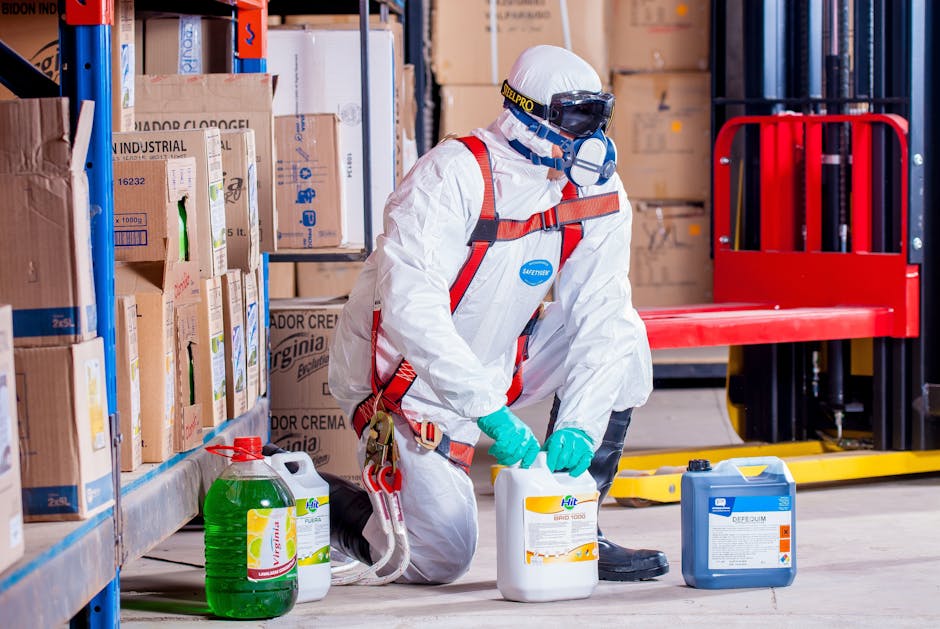
At Eastern Auto Paints, we stock professional-grade safety equipment because protection is the foundation of any successful project. View our range of PPE masks to find the right respiratory protection for your needs.
The Application, Removal, and Neutralisation Process
With your safety gear on, follow these steps for a clean strip:
- Prep the Surface: Clean the panel with a wax and grease remover. Scuffing the surface with 80-grit sandpaper helps the stripper penetrate the top layer of paint.
- Tape the Seams: This is critical. Use masking tape to seal all panel gaps and seams. This prevents stripper from getting trapped and leaching out later, which can ruin your new paint.
- Apply a Thick Coat: Apply a generous, thick coat (about 3 mm or 1/8 inch) of stripper like Auschem Panastrip Gold Paint Stripper. A thin coat will evaporate before it can work. Good strippers will cling to vertical surfaces.
- Cover and Wait: Cover the area with plastic sheeting. This stops the stripper from drying out and keeps it working longer, which is especially helpful for tough, modern paints.
- Be Patient: Wait for the paint to bubble and lift. This can take anywhere from 15 minutes to over an hour. Don't scrape prematurely; let the chemical do the work.
- Scrape Gently: Use a plastic or metal scraper at a low angle to push the softened paint off. If it’s still stuck, it needs more time. For stubborn areas, a second application may be needed.
- Neutralise the Surface: This step is essential. After scraping, clean the bare metal according to the product's instructions, typically with denatured alcohol or soap and water, to remove all chemical residue.
- Final Clean and Prime: Once dry, wipe the panel with a prep-solvent. Apply a quality epoxy or 2K primer the same day to prevent flash rust from forming on the bare metal.
If you're unsure which products are best for your restoration, our team has decades of hands-on experience. Contact us for expert advice.
Frequently Asked Questions about Car Paint Strippers
Over our 34 years in business, we've heard just about every question imaginable about paint stripper for cars. Here are the most common ones.
How do new regulations affect paint strippers?
The biggest change is the ban on harsh chemicals like Methylene Chloride due to health risks. Modern, safer alternatives are now standard. These low-VOC (Volatile Organic Compound) products, like our Auschem Panastrip Gold Paint Stripper, are much safer for users and the environment. The trade-off is that they often work more slowly on tough modern automotive paints. Patience is key, you may need longer dwell times or a second application, but you get the job done without the serious health hazards of older chemicals.
Can I use a heat gun to strip car paint?
In short, no. While a heat gun works on old house paint, it's ineffective against modern automotive finishes like 2-pack urethanes. These paints are designed to withstand extreme heat and will not lift cleanly. You risk warping thin body panels long before you successfully strip the paint. For automotive work, chemical or mechanical stripping methods are far more effective and practical.
What is the best way to remove thick undercoating?
Standard paint strippers for cars won't work on thick, rubberised undercoating. This material requires mechanical removal. The most effective methods are using a wire wheel on a grinder, a scraper combined with gentle heat from a propane torch to soften the material, or a specialised oscillating slicer tool. This is a messy, labour-intensive job, so be prepared with proper PPE, especially a respirator.
If you're tackling a major restoration and need guidance, browse our full range of paint stripping products or contact us for personalised advice.
The Foundation for a Perfect Finish
Selecting the right paint stripper for cars is the foundation for a professional finish. As we've covered, the best method, whether chemical, mechanical, media blasting, or acid dipping, depends on your specific project, budget, and panel material.
A poorly stripped surface will undermine even the best paint job, leading to adhesion failure or rust. Taking the time to do this stage correctly ensures your final result looks great and lasts for years.
At Eastern Auto Paints, we've spent over 34 years guiding customers to the right surface preparation solutions. Our range includes proven products like the Auschem Panastrip Gold Paint Stripper, and we have the practical knowledge to support your project.
For expert advice on your next project, explore our paint stripping products online or contact us directly. We're here to help you get it right from the bare metal up.