
Pump Up Your Knowledge: Everything About Air Operated Diaphragm Pumps
What is an Air Operated Diaphragm Pump and How Does It Work?

An air operated diaphragm pump (AODD pump) is a type of positive displacement pump that uses compressed air to move liquids through two flexible diaphragms mounted on a shared shaft. These pumps can handle everything from thin solvents to thick, viscous fluids like paint and resin, making them incredibly versatile for industrial and automotive applications.
Key Features of AODD Pumps:
- Power Source: Compressed air drives the pump, no electricity required
- Flow Rates: From 1 litre per minute up to 1,000+ litres per minute, depending on pump size
- Pressure Range: Up to 8.6 bar (125 psi) standard, with high-pressure models reaching 15-20 bar
- Self-Priming: Can pull fluid from up to 6 metresof suction lift
- Run-Dry Safe: Can operate indefinitely without liquid without damage
- Fluid Compatibility: Handles viscous fluids, abrasive slurries, and suspended solids
The working principle is straightforward. Compressed air shifts back and forth between two chambers, causing the diaphragms to move in a reciprocating motion. As one diaphragm pulls inward, it creates a vacuum that draws fluid through an inlet check valve into that chamber. Simultaneously, the opposite diaphragm pushes outward, forcing fluid out through an outlet check valve. This alternating cycle creates a continuous pumping action that can move a wide variety of liquids, from water-thin chemicals to thick paints and adhesives.
I'm James Maranis, and over 30 years in the coatings industry, I've seen how the right fluid transfer equipment, including a reliable air operated diaphragm pump, can make or break a professional finish. At Eastern Auto Paints, we help our customers across Victoria, Sydney, and Queensland select the right pumping solutions for automotive refinishing and industrial coating applications.
The Heart of the Pump: Diaphragms and the Air Valve
At the core of every air operated diaphragm pump are its flexible diaphragms and the ingenious air valve system. Imagine two flexible diaphragms, often made from durable materials like PTFE, Buna N, or Santoprene®, connected by a central shaft. These diaphragms act like the lungs of the pump, moving back and forth to create pressure and suction.
The air valve's job is to precisely control the flow of compressed air, alternating it between the two chambers behind the diaphragms. When compressed air enters one chamber, it pushes that diaphragm forward. This movement displaces the fluid on the other side of the diaphragm out of the pump. Simultaneously, the connecting shaft pulls the other diaphragm backward, creating a vacuum that draws new fluid into the opposing chamber.
A key feature of advanced air valve designs is their ability to ensure stall-free and ice-free operation. This is particularly important in humid environments where the rapid expansion of compressed air can cause the muffler to freeze, leading to pump failure. Patented quick-dump valves, for instance, release icy air into the atmosphere, preventing freezing and ensuring continuous, reliable operation. This means less downtime and more productivity for your projects.
Ensuring One-Way Flow: The Role of Check Valves
While the diaphragms and air valve handle the primary movement, check valves are the unsung heroes, ensuring smooth, unidirectional fluid transfer. Typically, AODD pumps use four ball check valves, two on the inlet (suction) side and two on the outlet (discharge) side. These valves are simple but highly effective.
When a diaphragm creates suction, the corresponding inlet check valve opens, allowing fluid to enter the chamber, while the outlet check valve remains closed. Conversely, when a diaphragm pushes fluid out, the inlet check valve closes to prevent backflow, and the outlet check valve opens to allow the fluid to exit. This coordinated action ensures that fluid only flows from the suction manifold to the discharge manifold, preventing any unwanted reverse flow.
This design is particularly beneficial when handling fluids with suspended solids or slurries. The ball check valves can often accommodate larger particles without clogging, a common issue with other pump types. This robust mechanism means your AODD pump can efficiently move challenging media without constant intervention.
The Unbeatable Advantages of AODD Pumps in Industrial Applications
Air operated diaphragm pumps offer a compelling suite of advantages that make them a workhorse in diverse industrial settings, from automotive workshops to heavy manufacturing. Their unique design overcomes many limitations found in other pumping technologies.
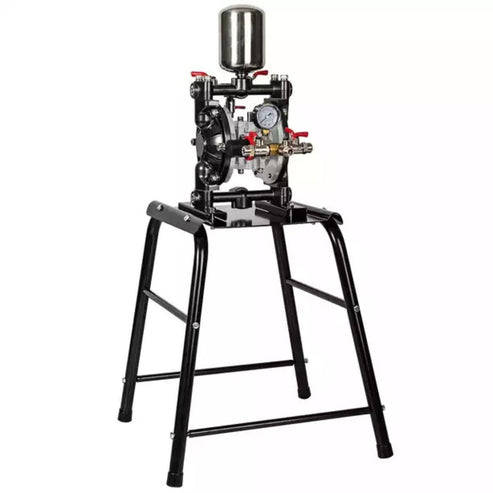
One of the most significant benefits is their seal-less design. Unlike many pumps that rely on rotating seals or packing to prevent leaks, AODD pumps isolate the fluid from the pump's internal air motor. This means there are no dynamic seals that can wear out, leak, or be attacked by corrosive fluids.
The only potential points of leakage are if a diaphragm fails, which is easily detectable and rectifiable. This significantly reduces the risk of hazardous fluid spills, minimises maintenance, and contributes to a safer working environment. The result is lower operational costs and improved reliability, crucial for any busy operation.
Best Versatility: Handling Difficult Fluids with Ease
When it comes to fluid handling, AODD pumps are incredibly adaptable. They excel in applications where other pump types struggle, particularly with challenging media.
For instance, they can effortlessly manage high viscosity fluids, such as industrial mixed colours, resins, glues, and thick paints. Their positive displacement action ensures a consistent flow even with sticky substances. We often recommend these pumps for transferring products like PPG Industrial Paints, where precise and reliable movement of viscous materials is essential.
Abrasive slurries, common in mining or ceramic manufacturing, are another area where AODD pumps shine. Because there are no close-tolerance moving parts to wear out, they can handle fluids with significant solids content (up to 40% by weight and even large particles) without damage. The gentle pumping action also makes them ideal for shear-sensitive media, like certain coatings or food products, preventing degradation or separation. This preserves the integrity of your valuable materials, ensuring a consistent product output.
Built for Tough Environments: Safety and Durability
Safety and durability are paramount in industrial applications, and AODD pumps deliver on both fronts.
One of their standout features is the ability to run dry indefinitely without any damage to internal components. This is a huge advantage in applications where fluid supply can be intermittent or tanks need to be completely emptied. Similarly, they are excellent at self-priming, capable of pulling fluid into the pump from up to 6 metres (20 feet) of suction lift. This makes them perfect for above-tank installations or emptying lines without manual intervention.
Crucially, AODD pumps are intrinsically safe for hazardous areas. Since they are powered by compressed air and contain no electric motors or rotating seals, they eliminate the risk of sparking. This makes them ideal for environments with flammable vapours or dust, often found in paint mixing rooms or chemical processing plants. Many models are ATEX certified (e.g., CE Ex11 2GD X), meaning they meet stringent European safety standards for explosive atmospheres. This non-sparking mechanism is a major reason why AODD pumps are widely used for transferring flammable liquids such as various solvents. For added safety when working with such materials, we always recommend using an Air Fed Mask.
Simple and Controllable Performance
The operational simplicity and control offered by an air operated diaphragm pump are highly valued in industrial settings. These pumps provide remarkable flexibility in managing fluid transfer tasks.
The flow rate is infinitely variable and directly proportional to the amount of compressed air supplied. This means you can easily adjust the pump's speed from as slow as 1 litre (0.26 gallons) per minute for precise dosing tasks, up to 1000+ litres (275 gallons) per minute for larger pumps handling bulk transfer. This versatility allows operators to match the pump's output precisely to their process requirements, preventing splashes, overflows, or product damage.
Similarly, the discharge pressure can be readily adjusted up to 8.6 bar (125 psi) by regulating the incoming air pressure. High-pressure models can even achieve up to 15-20 bar, making them suitable for demanding applications like feeding filter presses or pumping over long distances. This precise control, often achieved with a simple air filter/regulator and a needle valve, ensures optimal performance for a wide array of tasks, from gentle transfer of shear-sensitive media to high-pressure delivery.
Common Applications for an Air operated diaphragm pump
The versatility, durability, and safety features of air operated diaphragm pumps make them indispensable across a multitude of industries. From the meticulous demands of automotive refinishing to the robust requirements of chemical manufacturing, these pumps are a go-to solution for fluid transfer.
In automotive refinishing, for instance, they are used for precise handling of paints, primers, and thinners. For our industrial clients, including large commercial builders and manufacturers of windows and doors, AODD pumps are critical for managing various industrial coatings and even powder coating materials. Their ability to handle corrosive chemicals and viscous fluids with ease means they are a staple in chemical processing, while their robust nature makes them suitable for wastewater treatment and mining operations.
Metal, Plastic, and Sanitary Pump Types
To meet the diverse demands of different fluids and environments, air operated diaphragm pumps are available in a variety of construction materials. The choice of material is crucial for ensuring chemical compatibility, longevity, and regulatory compliance.
- Metal Pumps: These are typically constructed from materials like Aluminum, Stainless Steel (often 316L for improved corrosion resistance), or even Hastelloy for extremely aggressive chemicals. Metal pumps offer superior strength and durability, making them suitable for heavy-duty industrial applications and high-pressure duties. For example, a Stainless Steel pump would be ideal for transferring Protec basecoat or other solvent-based paints.
- Plastic Pumps: Common plastic materials include Polypropylene (PP) and PVDF (Kynar®). These pumps are excellent for handling highly corrosive acids, bases, and other chemicals that would attack metal components. They are lighter than metal pumps and often more cost-effective for certain applications, though their temperature limits might be lower (e.g., maximum liquid temperature of 82°C or 180°F for polypropylene and acetal).
- Sanitary Pumps: Designed specifically for the food, beverage, dairy, and pharmaceutical industries, these pumps are typically made from polished 316L Stainless Steel. They feature smooth, crevice-free wetted surfaces to prevent bacterial growth and are designed for Clean-in-Place (CIP) and Steam-in-Place (SIP) processes. Many are FDA-compliant, and some meet 3A or EHEDG standards, ensuring the highest levels of hygiene for sensitive products.
Choosing the right material is a key consideration, and our team at Eastern Auto Paints can guide you through the selection process based on the specific fluid you're pumping and your operational requirements.
From Paint to Powder: Real-World Use Cases
The practical applications of an air operated diaphragm pump are incredibly broad, showcasing its adaptability across various industries.
Consider the automotive and industrial coatings sectors: AODD pumps are perfect for transferring paint and ink from bulk containers to smaller vessels or directly feeding spray guns. Their gentle, low-shear action ensures the paint's pigments remain evenly mixed, preventing separation and ensuring a consistent finish. They can handle various primers, including 2K primers, moving them efficiently without clogging.
Beyond liquids, specialty AODD pumps are even used for powder transfer, managing dry, granular materials like certain powder coatings. This highlights their exceptional versatility. They are also widely employed for:
- Emptying Drums and IBCs: Their strong suction lift and run-dry capability make them ideal for completely emptying containers of chemicals, solvents, or waste fluids.
- Dosing Chemicals: With their variable flow rate control, AODD pumps can accurately dose chemicals in water treatment, plating, or batch mixing processes.
- Handling Body Fillers and Other Viscous Products: Their ability to move thick, paste-like materials makes them suitable for transferring various body fillers used in automotive repair.
- Filter Press Feeding: High-pressure AODD models are excellent for feeding filter presses, efficiently dewatering slurries and sludge.
- Agitation and Mixing: Some setups use twin suction and discharge manifolds to circulate fluids within a tank, effectively mixing them during transfer.
Whether you're managing complex industrial processes or performing routine tasks in a workshop, there's likely an AODD pump designed for your specific needs.
A Practical Guide to Selecting and Maintaining Your AODD Pump
Choosing and maintaining the right air operated diaphragm pump is crucial for efficiency, safety, and longevity. At Eastern Auto Paints, we understand that a few minutes spent upfront understanding your process can save hours of maintenance or downtime later.
When selecting a pump, we consider everything from the fluid's properties to your available air supply. Once installed, regular maintenance, including routine checks and proper air supply management, is key to maximising your pump's lifespan and ensuring reliable operation.
Choosing the Right Air Operated Diaphragm Pump
Selecting the perfect AODD pump involves a careful assessment of several factors to ensure optimal performance and compatibility. We always start with the fluid itself:
- Chemical Compatibility: This is paramount. All wetted parts of the pump (the body, diaphragms, ball valves, and seats) must be compatible with the fluid you're pumping. A chemical compatibility guide is indispensable here. For instance, if you're working with strong acids, a plastic (PVDF) pump with PTFE diaphragms might be necessary, whereas for general solvents, an aluminium or stainless steel pump with Buna N diaphragms could suffice.
- Flow Rate (LPM/GPM) and Required Pressure (bar/psi): Determine how much fluid you need to move per minute and at what discharge pressure. AODD pumps come in various sizes, offering flow rates from small precision tasks (e.g., 1 litre/minute) to large bulk transfers (e.g., 1079 litres/minute or 275 GPM). Standard pressures are around 6-8 bar, but high-pressure models can reach 15-20 bar for demanding applications.
- Fluid Viscosity and Solids Content: For thick fluids like honey, sludge, or ink, you’ll typically need a pump with a larger suction inlet and a lower cycle speed. If your fluid contains solids, consider the particle size and percentage. AODD pumps can handle up to 40% solids by weight and large particles, but some designs are better suited than others.
- Port Size: This relates to the pump's capacity and the piping system it will connect to. Ensure the pump's inlet and outlet ports match your existing pipework or are appropriately sized for the flow rate.
- Installation Conditions: Will the pump be mobile or fixed? Are there space constraints? Is it above or below the fluid level? Is pulsation a concern in your lines? (Pulsation dampeners can mitigate this).
Guessing isn't worth the risk when selecting a pump. For expert advice custom to your specific application, don't hesitate to contact our team for expert advice. Our experienced staff can help you steer these choices to find the most efficient and safest solution.
The Importance of a Clean and Regulated Air Supply
While an AODD pump is a robust piece of equipment, its performance and longevity are heavily reliant on the quality and regulation of its compressed air supply. Neglecting your air supply can lead to premature wear, inefficient operation, and costly downtime.
First and foremost, the air supply must be clean and dry. Contaminants like moisture, oil, and particulates in the air can damage the pump's sensitive air valve system, leading to erratic operation or failure. We always recommend installing appropriate air filters and regulators upstream of the pump. These units remove impurities and condense moisture, ensuring only clean, dry air reaches your pump. Draining moisture traps frequently is a simple yet crucial maintenance step.
Secondly, the air pressure needs to be regulated. AODD pumps typically operate with compressed air regulated between 2-8 bar (30-125 psi). Running a pump 'wide open' without regulation can lead to excessive wear and reduced efficiency. An air pressure regulator assembly allows you to adjust the fluid pressure up to 8.6 bar (125 psi) using a needle valve, giving you precise control over the pump's output.
Finally, ensure your compressor is adequately sized to meet the demands of your pump, and that your air lines (including the paint hose if applicable) are properly sized. Air starvation, caused by an undersized compressor or restricted air lines, will significantly reduce pump performance. At Eastern Auto Paints, we offer a range of compressors and can advise on the correct setup for your AODD pump to ensure optimal operation.
Common Troubleshooting and Critical Safety
Even the most reliable AODD pump can experience issues. Understanding common troubleshooting steps and adhering to critical safety practices will keep your operations running smoothly.
Common Troubleshooting:
- Pump Failure or Reduced Flow: Often, the culprit is a small air inlet size or blockages in the inlet/outlet lines. Always check for these first. Also, inspect the pump's muffler for icing, especially in humid environments. Some advanced pumps, like the ARO EXP Series, are engineered with patented quick-dump valves to prevent this.
- Air Leaks: Regularly inspect the pump for any signs of leakage. If PTFE O-rings are used, they are prone to leakage over time and should be replaced as part of routine maintenance.
- Diaphragm Issues: Diaphragms are wear parts. Keep spare diaphragm pump kits handy and inspect them regularly for cracks or fatigue. Our guide, Diaphragm Pump Kits Explained: Your Guide to Operation and Maintenance, offers comprehensive advice on this.
Critical Safety Practices:
- Grounding: When pumping flammable or hazardous liquids, always ensure the diaphragm pump is properly grounded. This prevents static electricity buildup, which could lead to ignition.
- PPE: Always use appropriate Personal Protective Equipment (PPE), especially when handling chemicals or operating in hazardous environments. This includes wearing an Air Fed Mask to protect against fumes and vapours.
- Workplace Risk Assessment: For any spray applications involving 2K isocyanates, a comprehensive workplace risk assessment is crucial. Standard respirators may not be sufficient, and atmosphere-supplying systems (like PAPR) are often required.
- Ventilation: Ensure adequate ventilation in areas where AODD pumps are used, particularly when transferring volatile organic compounds (VOCs) or other hazardous substances.
By following these guidelines, you can ensure safe and efficient operation of your AODD pumps.
Frequently Asked Questions about Air Operated Diaphragm Pumps
We often get questions about the practicalities of using AODD pumps. Here are some of the most common ones we encounter:
Can AODD pumps run dry?
Yes, absolutely! One of its significant advantages is its ability to run dry indefinitely without any damage to its internal components. This is thanks to its seal-less design and the fact that its operation doesn't rely on the pumped fluid for lubrication or cooling.
This feature makes AODD pumps ideal for applications where fluid supply can be intermittent, for emptying tanks or containers completely, or for use in situations where suction conditions might be unpredictable.
How do you control the flow rate of an AODD pump?
Controlling the flow rate of an air operated diaphragm pump is remarkably simple and effective. You primarily adjust the flow rate by regulating the incoming compressed air supply.
By using an air pressure regulator and often a needle valve, you can increase or decrease the air pressure and volume supplied to the pump.
More air pressure and volume will result in a faster pumping speed and higher flow rate, while less air will slow the pump down. This allows for infinitely variable flow rates, from a trickle for precise dosing to a high volume for rapid transfer, and also influences the discharge pressure.
Are AODD pumps suitable for spraying paint?
Yes, AODD pumps are very well suited for spraying paint, and we see them used extensively for this purpose in automotive and industrial settings. They make excellent feed pumps for spray guns, including both gravity guns and pressure pots.
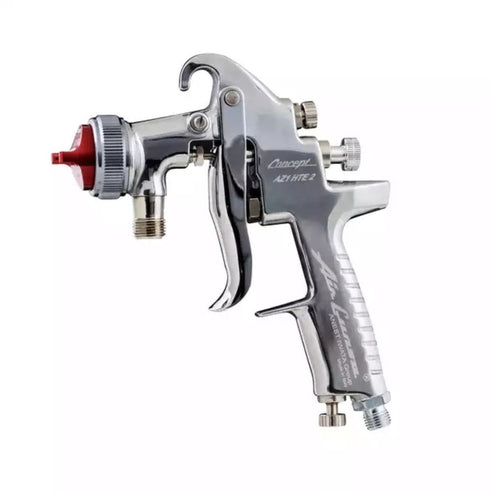
Their gentle, low-shear pumping action is crucial for maintaining the integrity of paint formulations, especially those with delicate pigments or additives, preventing separation or damage to the product. They provide consistent fluid delivery, which is essential for achieving a smooth, even finish. Plus, their ability to handle viscous materials, along with being non-sparking for use with flammable paints and solvents, makes them a safe and reliable choice for paint spraying applications.
Powering Your Projects with the Right Pumping Solution
The air operated diaphragm pump stands out as a true workhorse in fluid transfer. Its unique design, leveraging compressed air to move liquids with flexible diaphragms, offers a powerful combination of versatility, reliability, and safety. From handling the most corrosive chemicals and abrasive slurries to gently transferring shear-sensitive paints and food products, AODD pumps prove their worth across a vast array of industrial and automotive applications.
We've explored how their seal-less construction minimises leaks, their run-dry and self-priming capabilities simplify operations, and their inherent safety makes them ideal for hazardous environments. With adjustable flow rates and pressures, they provide the control needed for both high-volume transfers and precise dosing tasks.
At Eastern Auto Paints, we pride ourselves on our 34+ years of experience in supplying high-quality solutions for automotive, truck, and industrial paints. We understand that selecting the right equipment, including the perfect AODD pump, is vital for achieving superior results and efficient operations.
For all your fluid transfer needs, from industrial coatings to automotive paint systems, we have the equipment and expertise to support you.
Explore our range of workshop equipment or contact our expert team today for personalised advice and to find the ideal pumping solution for your next project.