
The Ultimate Guide to Paint Stripper
The Ultimate Guide to Paint Stripper
Executing an automotive paint stripping job with the correct chemical remover leaves bare metal panels clean, smooth, and ready for long-term refinishing success. Conversely, using incompatible stripping formulas or rushing substrate preparation risks severe coating adhesion failure, topcoat blistering, and costly rework down the track.
Key Takeaways:
- Matching the correct chemical stripper formulation to steel, aluminium, or composite substrates prevents panel damage.
- Complete surface neutralisation is essential to stop active chemical residues from degrading new primer systems.
- Gel and thixotropic paste formulations allow effective chemical dwell time on vertical and overhead surfaces.
- Using professional paint stripping products ensures predictable, trade-quality refinishing results.
At Eastern Auto Paints (EAP), we support collision repairers and automotive restorers with high-quality refinish supplies, professional chemical prep solutions, and tailored technical advice.
Backed by our advanced colour-matching technology and extensive industry knowledge, our team helps ensure every panel restoration achieves superior durability and a flawless surface finish.
Why This Issue Should Not Be Ignored
When restoring classic vehicles or managing collision repair work in a busy workshop, taking shortcuts during paint removal creates serious long-term refinish complications. Applying new coating systems directly over compromised, unstable, or poorly prepared paint layers frequently leads to severe adhesion failure.
Unneutralised chemical residue remaining on the sheet steel or aluminium panel can degrade subsequent etch primers and epoxy build coats. Trapped solvent molecules beneath newly applied primers eventually expand, causing topcoat bubbling, blistering, and micro-pinholing months after the vehicle leaves the shop. Furthermore, relying purely on aggressive mechanical sanding or unchecked grinding can easily warp light-gauge body panels, induce unwanted heat stress, or thin critical body contours.
Addressing underlying substrate issues, such as micro-pitting or hidden rust pockets, is essential before proceeding to body repairs. For detailed insights on repairing panel imperfections post-stripping, see our guide on How to use filler.
Common Symptoms, Challenges, or Questions
Automotive refinishers face several unique challenges when removing old finishes from vehicle bodies:
- Heavy Multi-Layered Paint Builds: Vintage vehicles often carry multiple generations of lacquer, enamel, and high-build primers from previous restoration attempts.
- Resistant OEM Finishes: Modern original equipment manufacturer (OEM) clearcoats and factory baked enamels are cross-linked to resist harsh chemicals, demanding specialised chemical formulations.
- Substrate Integrity Issues: Uncovering hidden corrosion creep, severe metal pitting, or stress fractures beneath thick paint layers requires careful handling without damaging surrounding metal.
- Thermal Distortion Risks: Aggressive mechanical grinding or high-heat methods risk warping delicate panel profiles, making controlled chemical stripper chemistry a preferred choice.
- Environmental Compliance: Modern Australian body shops must strictly control solvent emissions, volatile organic compound (VOC) exposure, and liquid chemical waste handling.
- Seam and Cavity Protection: Preventing chemical strippers from leaking into enclosed body pillars, folded seams, or sound-deadening materials prevents persistent corrosion.
Types and Selection of Chemical Paint Stripper
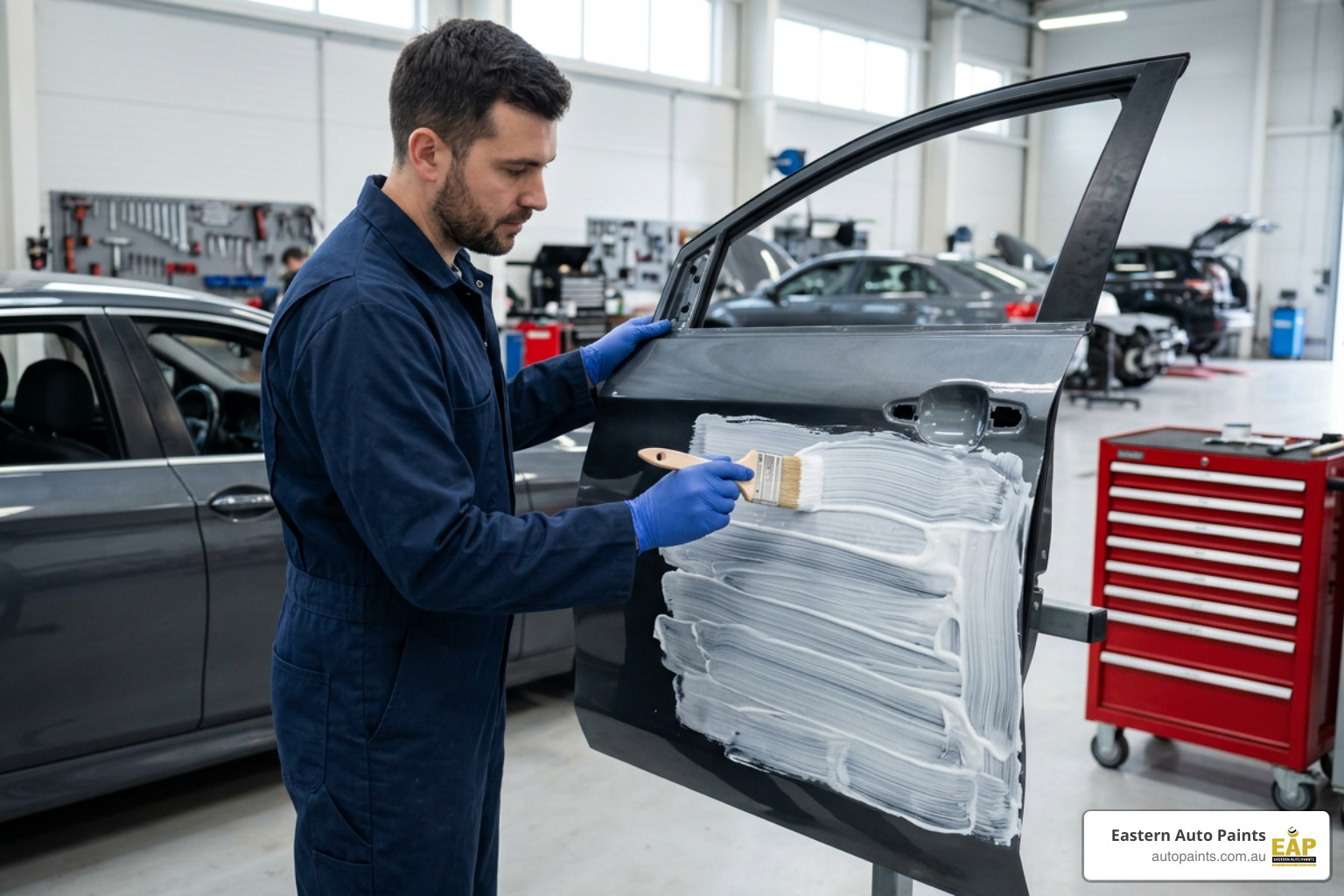
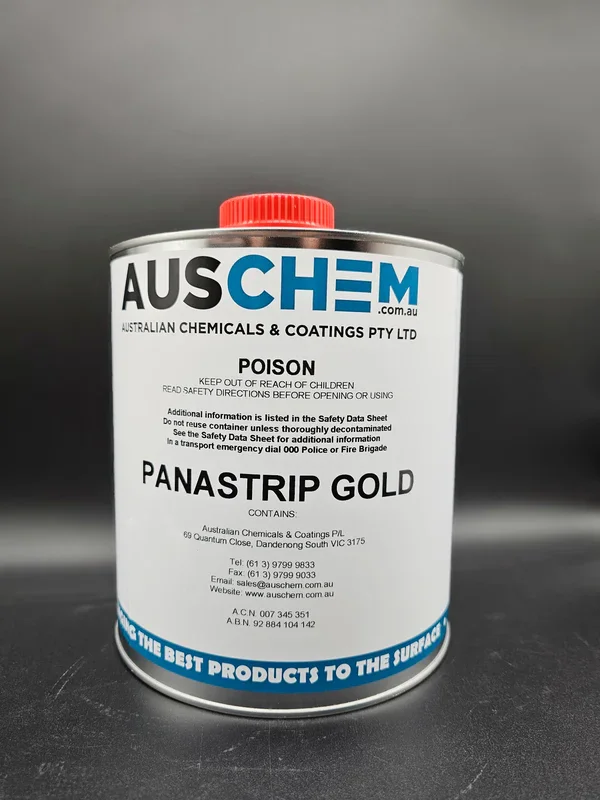
Selecting an appropriate chemical remover involves evaluating the target panel material, the thickness of the existing paint stack, and your shop layout. Modern professional paint stripping products range from fast-acting solvent mixtures to specialised thixotropic paste gels engineered to adhere to vertical door skins, curved guards, and overhead roof panels without sloughing off.
Solvent-Based Paint Strippers: Strengths on Their Own Merits
Solvent-based formulations rely on active chemical solvent blends designed to break down organic binder matrix structures.
When you'd use this:
- Removing multiple layers of traditional acrylic lacquers, enamels, and single-pack finishes.
- Working on sensitive aluminium alloys or vintage sheet steel where non-corrosive performance is critical.
- Maintaining original panel profile geometry without causing surface etching or chemical swelling.
- High-throughput workshop environments where rapid chemical action helps keep restoration schedules on track.
Alkaline Caustic Formulations: Strengths on Their Own Merits
Alkaline caustic removers operate via chemical hydrolysis to break heavy organic polymer bonds.
When you'd use this:
- Stripping tough, aged factory baked enamels and heavily cross-linked industrial coatings.
- Tackling thick multi-layer coating buildups on heavy structural steel components and chassis assemblies.
- Applications requiring prolonged dwell stability on complex component contours where high-viscosity paste retention is beneficial.
Decision Guide: Mapping Job and Workshop Environment Needs to Product Selection
To determine the ideal stripper for your specific job, consider your workshop setup, substrate type, and environmental controls:
- Panel Substrate: Sheet steel tolerates most chemical removers, whereas aluminium panels, fibreglass composites, and plastic bumper covers require confirmed product compatibility to prevent surface damage or swelling.
- Ventilation and Shop Controls: High-solvency removers require dedicated cross-draft ventilation systems, active air extraction, and specialised waste capture controls.
- Application Geometry: Vertical door panels, quarter panels, and bonnet undersides benefit from thixotropic gel formulas that hang onto surfaces without dripping onto floor areas.
- Workflow Speed: Select solvent formulations when rapid processing is necessary, ensuring sufficient allowance for complete neutralisation washes prior to primer application.
Alternatives to Chemical Paint Stripper
While chemical strippers excel at removing heavy paint layers without thinning metal, alternative removal methods exist for specific restoration situations:
- Thermal Stripping: Infrared heating lamps soft-bake paint layers for manual scraping without generating high-temperature distortion.
- Mechanical Sanding: Orbital sanders paired with quality Sanding discs and abrasives provide controlled localised paint removal on flat panels.
- Dry Media Blasting: Specialised blasting using soft media such as soda, walnut shells, or plastic beads strips paint while protecting underlying metal substrates.
Practical Solutions for Surface Stripping and Substrate Care
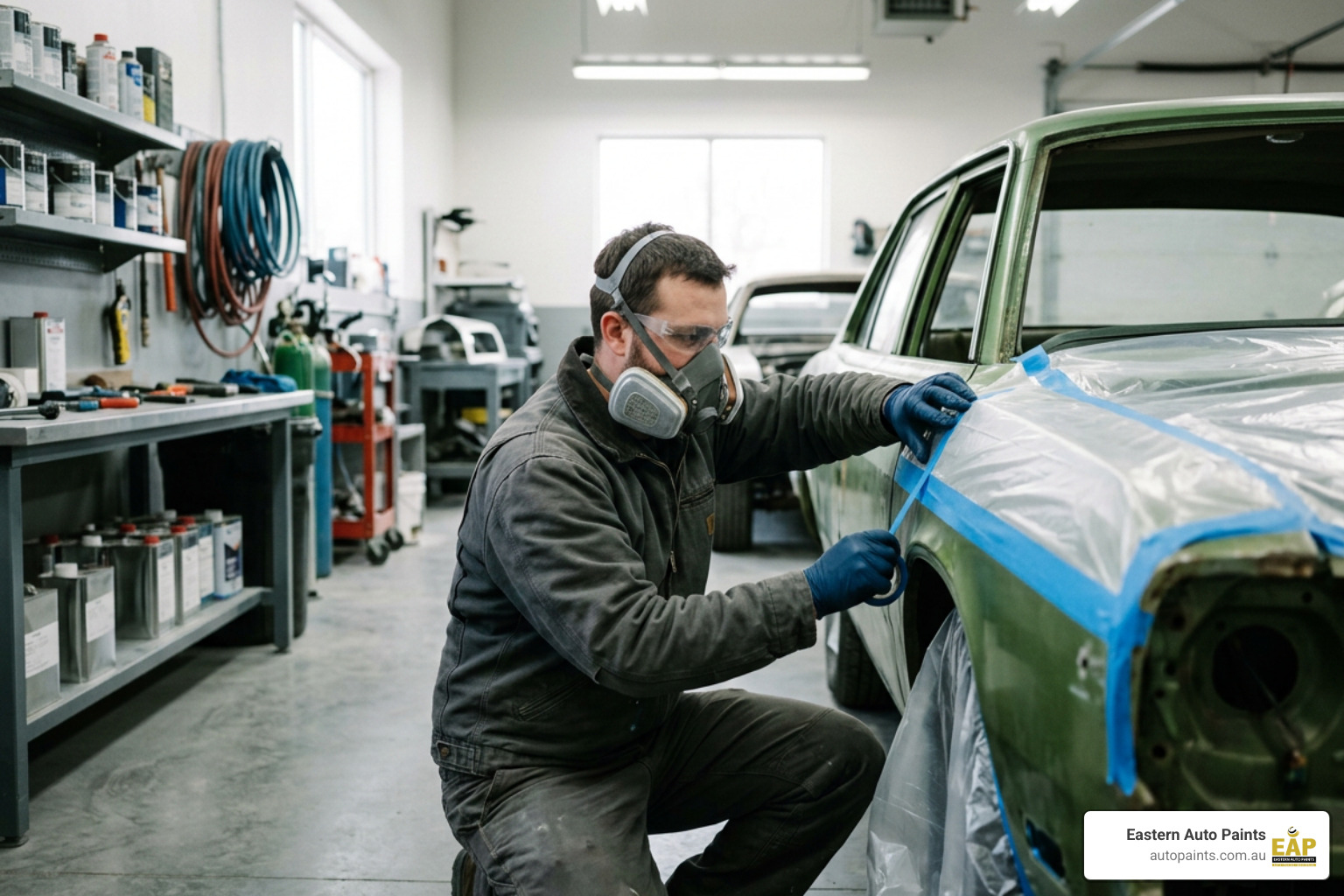
Achieving consistent results with chemical paint removers requires a methodical approach to panel preparation, chemical handling, and surface neutralisation:
- Masking and Containment: Securely cover sensitive rubber weatherstrips, glass, plastic trims, and open seam joints with chemical-resistant masking tapes and durable protective sheeting.
- Product Application: Apply the chemical stripper evenly over the panel. Application methods, thickness requirements, and dwell times vary by product; always consult the manufacturer's technical data sheet (TDS) or product label before starting.
- Sludge Removal: Carefully remove softened paint sludge using non-marring plastic scrapers to protect underlying metal from scratch marks.
- Mandatory Surface Neutralisation: Thoroughly clean the bare substrate using a dedicated neutralisation wash or solvent wipe as directed on the product container to remove all active chemical traces.
- Surface Prep for Priming: Allow the panel to dry completely, conduct a final solvent wipe, and apply appropriate Body fillers and putties or protective etch/epoxy primers to seal bare metal promptly.
For safety guidance regarding personal protective equipment (PPE), chemical respirators, splash aprons, and eye protection, refer directly to the product label, TDS, and relevant WorkSafe Australia safety guidelines.
What a Personalised Experience Actually Looks Like
Every vehicle restoration project presents unique variables, from rare vintage alloy panels to custom fibreglass bodywork. At Eastern Auto Paints, we provide customised technical support to help professional collision repairers and serious enthusiasts navigate complex paint stripping jobs.
Our technical support includes:
- Evaluating rare alloy, steel, or composite panels to identify chemical compatibility requirements.
- Matching chemical strippers to specific target paint systems, including single-stage lacquers or two-pack (2K) polyurethanes.
- Developing step-by-step surface preparation protocols tailored to your workshop setup.
- Assisting with complete workflow planning from paint stripping to initial etch priming and refinishing.
The Value of Consistency and an Ongoing Relationship
Maintaining consistency across stripping compounds, preparation solvents, and refinish supplies ensures predictable, repeatable results in busy body shops. Partnering with an expert supplier ensures reliable product supply, batch consistency, and immediate access to up-to-date safety data sheets (SDS) and technical guidelines.
Working with trusted automotive refinish products protects your shop from costly coating rework, premature paint failures, and unexpected finish defects. Explore our range of Automotive paint solutions to streamline your refinishing workflow.
What to Expect at Eastern Auto Paints
Eastern Auto Paints combines deep industry experience with advanced colour-matching technology to support trade professionals, industrial refinishers, and vehicle restorers across Victoria. Located in Dandenong South and Bayswater, our team provides trade-quality products, reliable supply lines, and hands-on technical guidance tailored to your workshop needs.
Whether you are equipping a commercial body shop or undertaking a complete vehicle build, you can Explore our full catalogue to find professional-grade tools, safety gear, and paint preparation systems.
When to Get in Touch or Take Action
If you are beginning a major vehicle restoration, stripping a complex multi-layered panel, or upgrading your shop's surface preparation workflows, expert guidance saves valuable time and resources. Choosing the correct chemical stripper from the start protects panel integrity and sets up a durable refinish foundation.
Get in touch with our team today for technical advice or product recommendations tailored to your project goals. You can Contact Eastern Auto Paints technical team directly to discuss your panel preparation requirements.
Frequently Asked Questions About Paint Stripper
How do you prevent substrate damage when applying paint stripper?
Preventing substrate damage involves monitoring chemical dwell times, using plastic scraping tools rather than sharp metal blades, and conducting initial compatibility tests on hidden panel areas. Always select chemical strippers formulated specifically for the substrate material, whether sheet steel, aluminium, or fibreglass, and perform complete surface neutralisation immediately after paint removal.
What safety gear is essential when working with paint strippers?
Personal protective equipment requirements depend on the chemical stripper formulation being used. Applicators should consult the product label, safety data sheet (SDS), and local WorkSafe guidelines for exact safety instructions, which typically include certified organic vapor respiratory protection, chemical-resistant gloves, splash goggles or face shields, and protective work clothing in well-ventilated workspaces.
How should paint stripper chemical waste be disposed of safely?
Chemical paint sludge and wash runoff must be captured in dedicated, sealed waste drums and handled according to local Australian environmental EPA and local council hazardous waste guidelines. Waste material should never be washed into municipal drains, and trade body shops should arrange regular disposal through licensed hazardous waste collection providers.
Can chemical paint strippers be used safely on aluminium body panels?
Certain chemical paint strippers can be used on aluminium panels provided the product formulation is explicitly rated as non-corrosive and safe for alloy substrates. Caustic strippers should generally be avoided on aluminium as they can etch and pit the soft alloy surface. Always check the manufacturer's technical data sheet to confirm substrate suitability.
Why is surface neutralisation required after chemical paint removal?
Surface neutralisation removes residual active chemicals left behind in metal pores and surface scratches after paint stripping. If unneutralised, chemical residues can react with newly applied primers, leading to coating blistering, severe loss of adhesion, and premature refinish failure.