
Rust Prevention and Treatment: Using Different Solutions
Why Rust Prevention Matters for Every Metal Surface
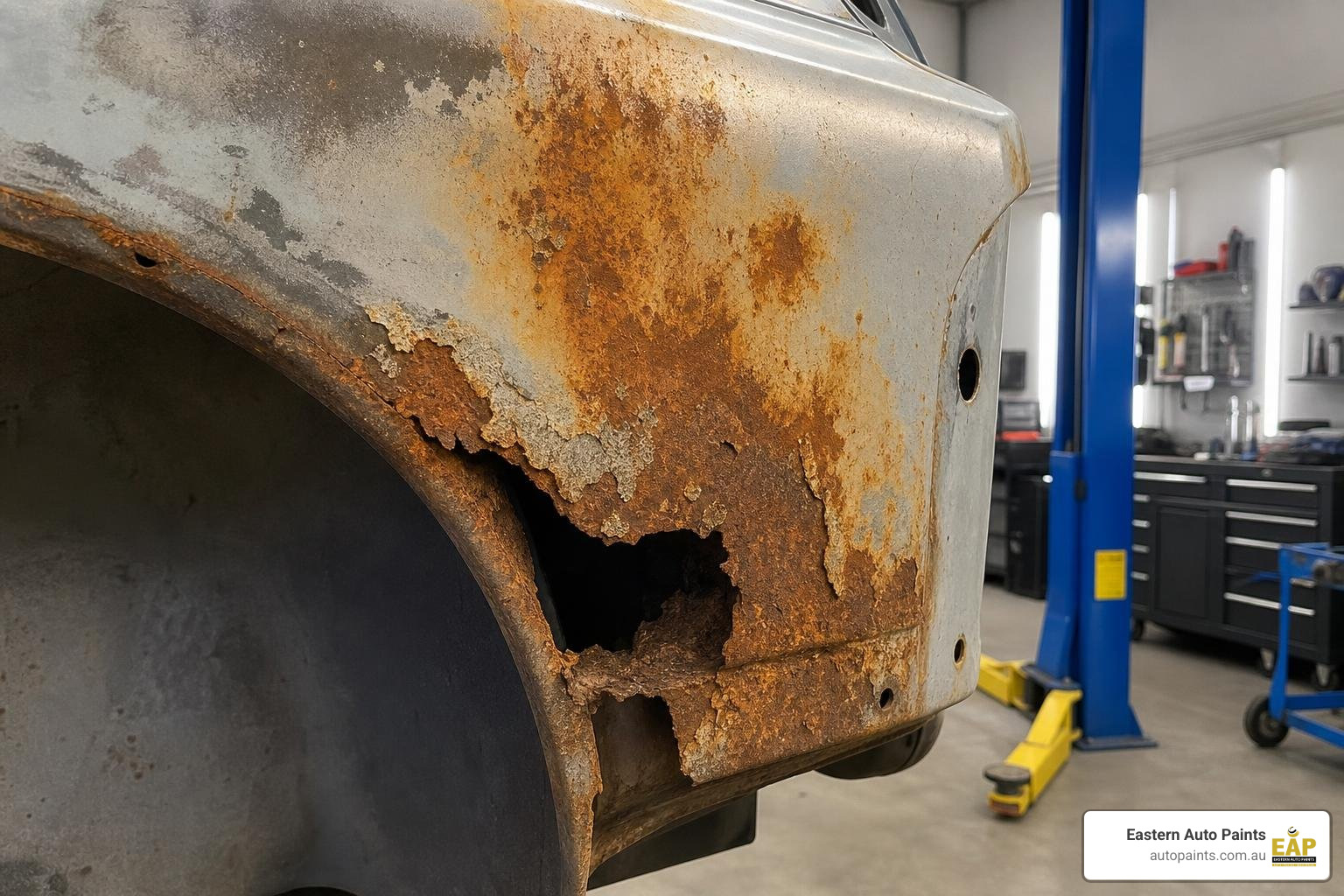
Rust prevention is not just a maintenance task; it is a critical investment in the longevity and safety of your metal assets. By understanding how moisture and oxygen interact with bare metal, you can implement proactive strategies to stop corrosion before it starts. Here is a quick overview of the most effective approaches:
- Clean and prepare the surface thoroughly to remove contaminants before applying any protective coating.
- Choose the right primer tailored to your specific metal type, whether that is an epoxy primer, self-etching primer, or a high-quality rust converter.
- Apply a robust protective barrier such as a rust-inhibiting paint, wax-based coating, or VCI (Vapour Corrosion Inhibitor) treatment suited to your environment.
- Maintain and inspect regularly, particularly in high-moisture or coastal conditions where corrosion accelerates rapidly.
- Always follow the manufacturer's technical data sheet (TDS) for exact application steps, drying times, and product-specific instructions.
Rust is a relentless force. By the time you notice a reddish-brown stain or a bubble forming under your paint, the corrosion process has often already been at work for some time beneath the surface. Whether you are dealing with a small patch on a ute tray or planning a full frame restoration, getting the right products and the right process in place early makes an enormous difference to the outcome. You can explore our full range of rust treatment and prevention solutions at the Rust Repair and Prevent Collection.
At Eastern Auto Paints, we stock professional-grade rust prevention products trusted by panel beaters, restorers, and trade applicators across Melbourne and Australia-wide. Our team brings deep technical knowledge to every product recommendation, so you are not left guessing which coating suits your specific metal, environment, or finish requirement.
I am James Maranis, owner of Eastern Auto Paints, and with more than 30 years in the coatings industry, I have seen first-hand how the right rust prevention strategy protects everything from daily drivers to heavy industrial equipment. In the sections ahead, we will walk you through the chemistry behind rust, how to identify it early, and which products and processes give you the most reliable, long-lasting protection.
Rust prevention terms to know:
- Rust repair and prevention
Why This Issue Should Not Be Ignored
Ignoring early signs of corrosion can lead to catastrophic consequences for any metal asset. When moisture penetrates a protective barrier, oxidation begins to eat away at the metal structure beneath. Over time, this process compromises the physical integrity of structural components, transforming solid steel into a fragile, flaky material that can easily fail under load.
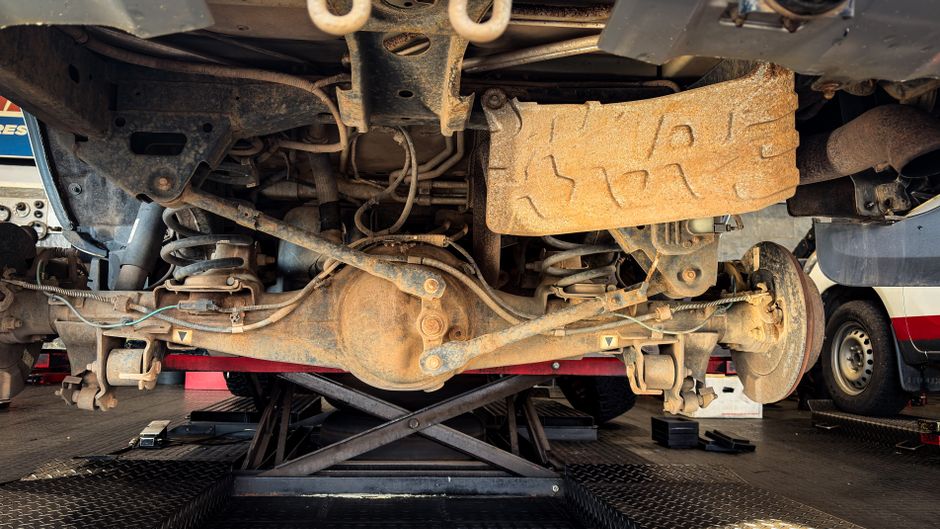
In the automotive and industrial sectors, structural rust poses severe safety risks. A compromised vehicle chassis, suspension mount, or load-bearing bracket is a major hazard on Victorian roads. What begins as a minor cosmetic issue, like bubbling paint, can quickly spread to critical mechanical points.
Beyond the safety hazards, the aesthetic degradation of a vehicle or piece of machinery significantly reduces its resale value and professional presentation. This is particularly true in coastal areas across Melbourne, where salt-laden air accelerates the oxidation process. For trade professionals and fleet operators, letting rust take hold leads to increased downtime, failed roadworthy inspections, and substantial maintenance costs. Addressing the problem early with high-quality primers and coatings is far more practical and cost-effective than trying to repair deep structural damage later. For an in-depth look at how to tackle these issues early, see our Beginners Guide to Rust Repair and Prevention.
Common Symptoms, Challenges, or Questions
Recognising the early warning signs of corrosion is the first step in effective metal preservation. Many vehicle owners and trade professionals miss the subtle indicators of rust until extensive damage has already occurred. The most common symptoms include paint bubbling, surface pitting, and reddish-brown staining around seam joints or fasteners.
Bubbling paint is a classic sign of moisture entrapment. Water and oxygen find their way through micro-cracks in the paint layer, reacting with the steel beneath. As the metal oxidises, it expands, pushing the paint film upward and creating a blister. Once these blisters crack open, the bare metal is fully exposed to the elements, leading to rapid deterioration. To understand how to identify and treat these hidden issues, read our guide on Rust Prevention and Treatment.
Understanding the Chemistry of Rust Prevention
To prevent rust effectively, we must first understand how it forms. Rust is the common term for iron oxide, which is created through an electrochemical process known as a redox reaction. For this reaction to occur, three elements must be present: iron (found in steel), oxygen, and an electrolyte (usually water or atmospheric moisture).
During this reaction, iron atoms lose electrons to oxygen atoms. Water acts as the perfect pathway for this electron flow, accelerating the degradation of the metal. When salt or other environmental contaminants are present in the water, the liquid becomes a highly efficient electrolyte, speeding up the chemical process even further.
Rust prevention works by disrupting this electrochemical pathway. By applying a non-porous physical barrier, such as a high-quality primer or coating, we block oxygen and moisture from making contact with the iron atoms. Without the electrolyte or oxygen, the redox reaction cannot take place, and the metal remains protected.
How Different Metals Susceptibility to Corrosion Varies
Not all metals react to environmental exposure in the same way. The susceptibility to corrosion varies significantly depending on the chemical composition of the alloy.
Mild steel is highly susceptible to rust because it contains a high concentration of iron and lacks protective alloying elements. When exposed to air and moisture, it oxidises rapidly, producing a loose, porous rust layer that flakes off, continuously exposing fresh metal to further corrosion.
Stainless steel contains chromium, which completely changes how the metal interacts with oxygen. Instead of forming iron oxide, the chromium reacts with oxygen to form an incredibly thin, invisible layer of chromium oxide on the surface. This passive layer is self-healing and prevents oxygen from reaching the iron within the steel, making it highly resistant to rust. However, in high-salt or chemical environments, even stainless steel can experience pitting corrosion if the passive layer is damaged.
Aluminium does not contain iron, meaning it cannot rust in the traditional sense. However, it does undergo aluminium oxidation. When exposed to air, aluminium quickly forms a hard, protective layer of aluminium oxide. This layer seals the metal beneath from further atmospheric degradation. While this oxide layer protects the metal in standard environments, highly acidic or alkaline conditions can break it down, leading to localised corrosion.
| Metal Type | Primary Corrosion Product | Resistance Level | Protective Mechanism |
|---|---|---|---|
| Mild Steel | Iron Oxide (Red Rust) | Low | Requires external coatings (primers, paint) |
| Stainless Steel | Chromium Oxide | High | Passive self-healing chromium oxide layer |
| Aluminium | Aluminium Oxide | Moderate to High | Natural oxide barrier, anodising |
How VCI Technology Protects Metals During Shipping
Protecting metal components during international transit or long-term storage presents unique challenges. Traditional methods, like applying heavy greases or oils, are messy and time-consuming to remove. Vapour Corrosion Inhibitor (VCI) technology offers a cleaner, highly effective alternative.
VCI products work by releasing protective vapour-phase molecules into an enclosed space, such as a sealed bag or container. These molecules disperse throughout the air and deposit a micro-thin, invisible molecular shield on all exposed metal surfaces. This protective layer blocks moisture, salt, and oxygen from reacting with the metal.
Because the VCI molecules travel through the air, they can reach deep into hard-to-access areas, such as internal cavities, threaded holes, and complex assemblies where liquid sprays cannot easily penetrate. Once the packaging is opened, the molecular shield simply dissipates into the air without leaving any sticky residue behind, meaning the parts are immediately ready for use, painting, or assembly. To learn more about specialised protection sprays and temporary barriers, see our article Beyond the Rust: A Comprehensive Look at Metal Protection Sprays.
What a Personalised Experience Actually Looks Like
At Eastern Auto Paints, we believe that effective rust prevention is not a one-size-fits-all solution. A panel shop restoring a classic car in Bayswater requires a completely different approach than an industrial manufacturer protecting structural steel in Dandenong South. That is why we focus on delivering a highly personalised experience tailored to your specific project, equipment, and environmental conditions.
Our trade and professional customers rely on us for more than just off-the-shelf products. We work collaboratively with you to understand the exact substrate you are treating, the exposure risks of the finished piece, and your workshop setup. Whether you need advice on selecting a heavy-duty epoxy primer for a commercial fleet or a fast-drying solution for a quick spot repair, our team provides expert guidance backed by decades of industry experience. Discover more about our approach and our commitment to quality on our About Our Team page.
The Value of Consistency and an Ongoing Relationship
For professional panel beaters, restorers, and industrial painters, consistency is key to maintaining a profitable workflow. Having a reliable partner who understands your business, your standards, and your past projects ensures that you get the right results every single time.
One of the greatest benefits of an ongoing partnership with Eastern Auto Paints is our advanced colour-matching technology. We keep detailed records of custom formulations and saved colour profiles for our repeat trade customers. If you are managing a fleet of commercial vehicles or performing ongoing touch-up work, you can trust that the colour match will be spot-on, order after order. This level of consistency saves valuable time in prep and blending, allowing you to deliver a flawless finish to your clients. Learn more about how we achieve perfect accuracy with our Colour Matching Services.
What to Expect at Eastern Auto Paints
When you step into our Bayswater head office or our Dandenong South showroom, you will find a professional, trade-focused environment stocked with the industry's leading brands. As a PPG Select Distributor, a certified Jotun Australia distributor, and the master wholesale distributor for Concept Paints in South East Victoria, we carry authentic, professional-grade coatings that meet the highest standards of durability and performance.
Our shelves are stocked with everything from high-build primers and industrial topcoats to premium spray equipment and consumables. You will not find generic, watered-down retail paints here. Instead, we supply the exact same formulations used by Melbourne's top collision repair centres and industrial manufacturers. Our staff are technical specialists who can guide you through product compatibility, safety compliance, and proper equipment setup, ensuring you have everything you need to succeed.
When to Get in Touch or Take Action
The absolute best time to address rust is before you can see it. If you are planning a vehicle restoration, managing a fleet of trucks exposed to winter road grime, or fabricating metal structures for outdoor use, early planning is essential.
If you notice even the smallest signs of paint lifting, bubbling, or discolouration on your vehicles or equipment, it is time to take action. Catching corrosion in its early stages prevents it from spreading into structural areas, saving you thousands of dollars in metal replacement and intensive labour. If you are unsure which primer, converter, or protective coating is right for your specific situation, you can contact our team to get professional advice.
Practical Solutions and Reassurance for Rust Prevention
Dealing with rust can feel overwhelming, but with the right products and a systematic approach, you can achieve a permanent, professional-grade repair. Modern paint systems and chemical treatments are incredibly advanced, allowing us to halt existing corrosion and build a highly durable barrier against future environmental damage.
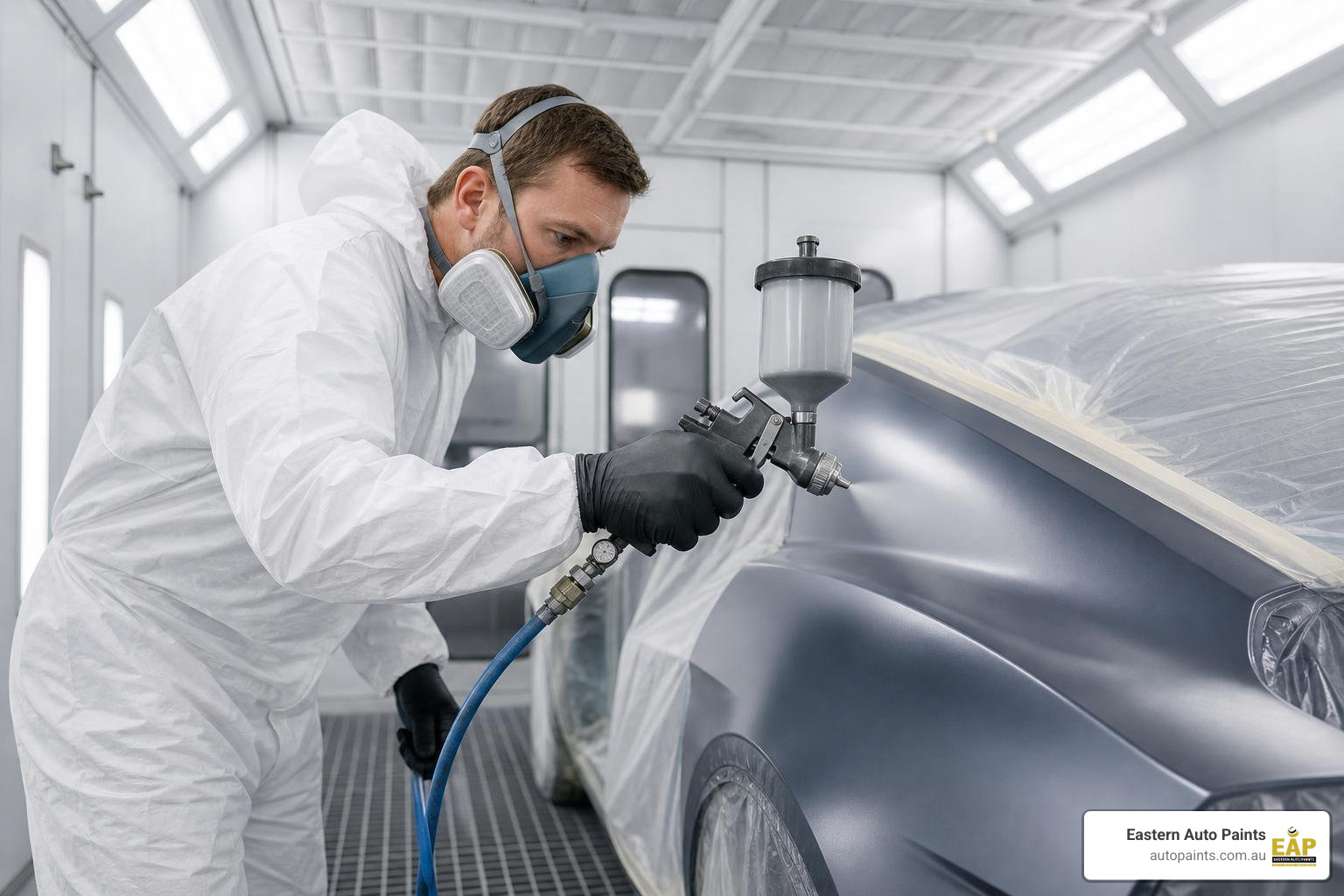
By using a complete system of cleaners, metal conditioners, and high-performance primers, you can restore structural confidence and a flawless finish to your metalwork. We are here to provide the supportive guidance and authentic trade materials you need to get the job done right the first time.
Step-by-Step Guide to Rust Treatment and Prevention
Achieving a long-lasting, rust-free finish relies entirely on your preparation and application steps. While we can outline the general phases of the restoration process below, always remember that exact specifications, mix ratios, and drying times vary from product to product. Always consult the manufacturer's technical data sheet (TDS) or product label before you begin.
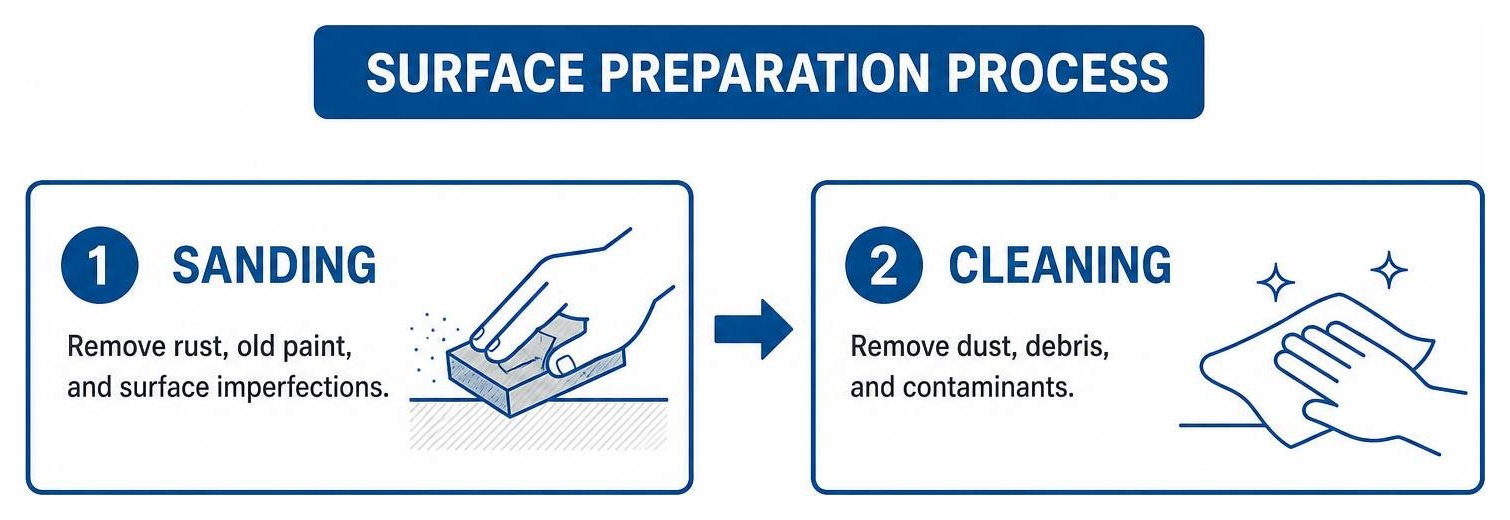
Step 1: Cleaning and Degreasing
Before performing any mechanical work, the metal surface must be completely free of grease, wax, oil, and road grime. Applying a high-quality wax and grease remover prevents you from grinding contaminants deeper into the metal grain, which can ruin paint adhesion later.
Step 2: Mechanical Rust Removal
Remove all loose, flaking rust and old paint from the affected area. This is typically done using a wire wheel, grinding disc, or sandpaper. The goal is to get as close to clean, bright metal as possible. For heavily pitted areas, sandblasting or specialised chemical rust removers may be required to clean out the deep pits.
Step 3: Chemical Treatment and Conditioning
If microscopic trace rust remains in the metal pits, applying a professional rust converter or metal prep solution helps neutralise the remaining iron oxide. These chemical treatments convert the active rust into an inert, stable compound, creating a suitable surface for primer adhesion.
Step 4: Applying the Protective Primer
Once the surface is completely clean, dry, and conditioned, apply a high-performance primer. The primer acts as the primary moisture barrier, sealing the metal from the atmosphere. Depending on the metal type and the project requirements, you might use an epoxy primer or a self-etching primer.
Step 5: Topcoat and Clear Coat
To protect the primer layer from physical wear, chemical exposure, and UV degradation, apply a compatible topcoat. A high-quality single-pack (1K) or two-pack (2K) topcoat, followed by a durable clear coat, provides the final line of defence while delivering the desired colour and gloss level.
Selecting the Right Primers for Long-Term Rust Prevention
Choosing the right primer is critical to the longevity of your paint system. At Eastern Auto Paints, we supply a wide range of professional primers designed for specific substrates and application scenarios.
Epoxy Primers
Epoxy primers are widely regarded as the ultimate moisture barrier for bare steel and restoration work. They feature exceptional adhesion, high chemical resistance, and a non-porous structure that completely seals the metal from moisture and air. Because they do not absorb water, they can protect bare metal for extended periods before a topcoat is applied. For a detailed look at how to use these coatings, check out The Guide to Epoxy Primer Paint for Cars.
Self-Etching Primers
Self-etching primers contain a mild acid that chemically etches into the bare metal surface while depositing a thin protective zinc layer. This acid etch creates an incredibly strong mechanical bond, making it an excellent choice for smooth, bare metals like aluminium, stainless steel, and galvanized steel. To understand when to choose this option, read our Self-Etching Primer Guide.
1K vs. 2K Primers
1K (single-pack) primers are convenient, user-friendly, and dry solely through solvent evaporation. They are excellent for quick touch-ups and small repairs. 2K (two-pack) primers require a hardener or activator to initiate a chemical cure. This chemical reaction creates a highly durable, cross-linked paint film that offers superior resistance to moisture, chemicals, and physical impact compared to 1K systems.
Featured Products for Professional Metal Protection
Our Rust Repair & Prevent Collection features a curated selection of trade-trusted products designed to tackle every stage of the rust treatment and prevention process.
- Galmet Ironize: A fast-reacting, water-based rust converter and sealer that chemically transforms rust into tough, black complexes, creating a sound base for painting.
- Cam De OX It: A highly effective rust remover and metal conditioner that dissolves rust from steel, iron, and aluminium, leaving a clean surface ready for priming.
- Galmet ColdGal: A zinc-rich coating that provides long-term galvanic protection to steel surfaces, acting as a sacrificial anode to prevent rust from forming.
- Car-Rep Anti-Rust Primer Aerosol: A quick-drying, high-performance anti-corrosion primer that offers excellent adhesion and bare metal protection in a convenient aerosol format.
- Concept Rust Converter Primer & Sealer Aerosol: A professional-grade aerosol that converts rust on contact while sealing the surface with a durable primer-sealer layer.
- Galmet Rust Paint: A single-pack epoxy enamel designed to protect and beautify metal surfaces with a highly durable, rust-inhibiting finish.
- Zinc Gal Cold Galvanising: A heavy-duty, zinc-rich primer that delivers exceptional corrosion resistance, making it ideal for structural steel and welded joints.
- Bright Gal Silver Aerosol: A fast-drying, anti-corrosive silver coating that matches the appearance of newly galvanised steel while providing excellent weather protection.
- Concept 025 Rust Converter: An acid-based cleaner and rust converter designed for lightly rusted surfaces, helping to prepare bare steel for priming.
Tips for Effective Rust Prevention
To keep your vehicles, machinery, and metal structures in pristine condition, integrate these practical preventative habits into your maintenance routine:
- Perform Regular Inspections: Check high-risk areas, such as wheel arches, rocker panels, and welded joints, at least twice a year to catch paint chips or minor surface rust early.
- Ensure Dry Storage: Keep valuable vehicles and metal tools in a dry, well-ventilated, temperature-controlled environment to minimise exposure to atmospheric moisture.
- Wash Away Contaminants: Regularly wash your vehicles and equipment, especially after exposure to coastal salt air or road grime, to remove corrosive electrolytes.
- Maintain Protective Coatings: Keep the paint and clear coat layers intact. Use high-quality touch-up paints to seal any stone chips or scratches as soon as they occur.
Partnering with Experts for Lasting Metal Protection
In summary, achieving effective rust prevention relies on a systematic, professional approach: thorough surface preparation, selecting the correct primer (such as epoxy or self-etching) for the specific metal substrate, and applying a durable topcoat barrier. Regular inspections and washing away environmental contaminants like salt and road grime will ensure the long-term structural integrity of your vehicles and equipment. For those undertaking a restoration or maintenance project, choosing trade-grade solutions from the Rust Repair & Prevent Collection provides the necessary chemical barrier to halt oxidation. If you require assistance selecting the right coatings or need technical guidance for your specific application, please contact our team to get professional advice.
Frequently Asked Questions About Rust Prevention
How do I choose between 1K and 2K products for rust prevention?
Choosing between 1K and 2K products depends on the scale of your project, your equipment, and the level of durability you require. 1K products are single-pack formulas that dry through solvent evaporation, making them convenient, easy to apply, and ideal for quick touch-ups or small-scale repairs. 2K products require a hardener or activator to initiate a chemical cure, creating a highly durable, chemical-resistant, and non-porous finish. For heavy-duty applications, commercial fleets, or areas exposed to harsh environments, 2K primers and topcoats offer superior long-term protection compared to 1K alternatives.
How does the colour-matching process work for touch-up repairs?
Our colour-matching process combines advanced spectrophotometer technology with our extensive database of saved formulations. When you bring a vehicle, a paint chip, or a manufacturer colour code to our Bayswater or Dandenong South locations, we use our digital tools to scan the surface and identify the exact paint formula. We then custom-mix the paint to match the current condition of your vehicle, ensuring a seamless blend between the repaired area and the original paint.
What are the correct PPE and safety practices when treating rust?
Safety practices and personal protective equipment (PPE) requirements vary significantly depending on the chemical products you are using. Mechanical rust removal, such as grinding or sanding, requires safety glasses, hearing protection, and a suitable dust mask to prevent inhaling metal particles. Chemical treatments, solvents, and especially isocyanate-containing 2K paints require specialised respiratory protection, chemical-resistant gloves, and protective overalls. Always consult the product's safety data sheet (SDS) and manufacturer label, as well as relevant WorkSafe Victoria guidelines, to determine the exact safety equipment required for your specific product and work environment.
Where can I find the exact technical specifications for application?
Exact technical specifications, such as mix ratios, drying times, spray pressures, and film thickness, can only be found on the product's official manufacturer label or technical data sheet (TDS). Because these specifications vary from product to product, Eastern Auto Paints does not provide blanket application instructions. Our team is always available to help you locate the correct manufacturer guidance, or you can download the TDS directly from the manufacturer's official Australian website before starting your application.
Are these professional rust prevention solutions suitable for DIY projects?
Yes, our professional-grade rust prevention products are highly suitable for serious DIY restorers and hobbyists who want trade-quality results. While some advanced coatings and 2K systems require professional spray equipment and dedicated safety setups, we also stock a wide range of high-performance 1K products, aerosol primers, and user-friendly converters. Our team is happy to guide you through the process, helping you select products that match both your skill level and your workshop setup so you can achieve a lasting, professional finish.