
Best Paint Stripper for Cars and How to Use It Safely
Choosing the Best Paint Stripper for Cars Starts With the Panel
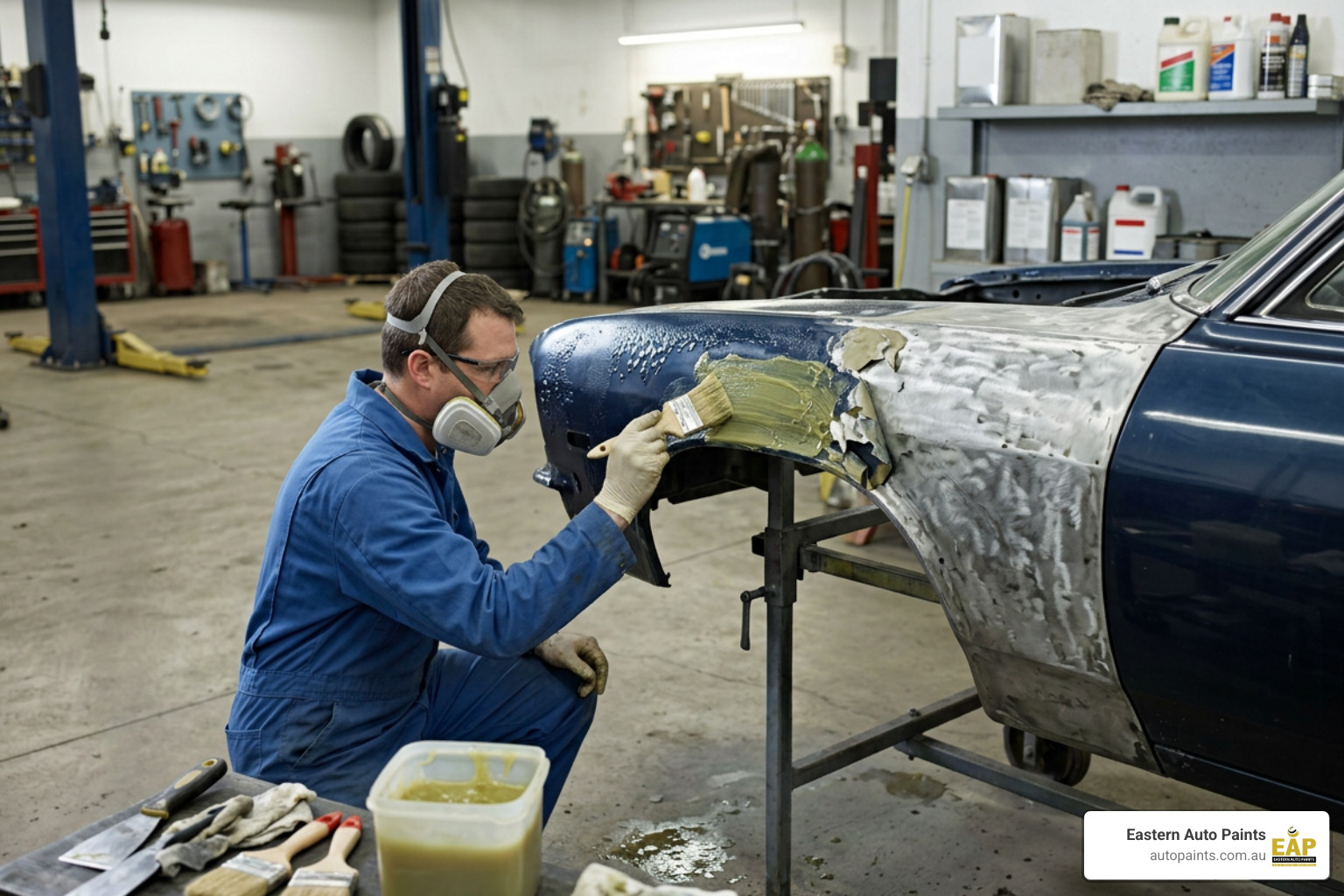
At Eastern Auto Paints, we know a good stripping job leaves a clean, stable surface ready for primer, while a poor choice can damage the panel, leave residue in seams, or create adhesion issues later. The best paint stripper for cars is usually a professional automotive formula matched to both the coating and substrate: use chemical gel removers for accessible steel or aluminium panels, and choose controlled mechanical removal for plastics, fibreglass, thin panels, edges and seams.
Key Takeaways
- Match the stripper to the existing coating, especially tough two-pack (2K) urethane and epoxy finishes.
- Confirm compatibility before applying any chemical product to aluminium, plastics or composite panels.
- Treat chemical stripping as a surface-preparation process, not just paint removal.
- Follow the product technical data sheet and plan for complete residue removal before priming.
- Explore A Practical Guide to Choosing Paint Stripper for more selection guidance.
At EAP, we help trade applicators, restorers and serious DIY vehicle owners make practical choices based on the vehicle, coating system and repair scope. We stock professional refinishing products and provide straightforward advice so you can select a stripping method that supports a durable repaint, rather than creating problems beneath the next coat.
Our approach is built around preparation, compatibility and coating performance. Whether you are removing failed paint from a repair area or preparing a restoration body shell, the right process protects the substrate and gives your primer the best possible foundation.
Why This Issue Should Not Be Ignored
Stripping paint from a vehicle body panel is far more consequential than basic cleaning. Rushing into coating removal with incorrect chemicals or overly aggressive abrasive tools can lead to permanent structural or cosmetic damage. When incompatible strippers are applied to sensitive automotive alloys or composite panels, the chemical agents can etch the underlying substrate, soften factory bonding resins, or cause severe chemical entrapment.
Trapped chemical residue presents one of the most common causes of premature paint failure. If liquid strippers seep behind folded door skins, hemmed flange edges, or spot-welded seams, they are exceedingly difficult to extract. Over time, that trapped chemistry slowly migrates outward, causing fresh primer and topcoats to blister, lift, or completely lose adhesion. Likewise, running high-speed grinding tools across broad sheet metal panels introduces intense frictional heat, running the risk of warping flat panels. Selecting the correct paint removal approach from the outset safeguards the integrity of the vehicle body and ensures new paint coatings bond reliably.
Common Symptoms, Challenges, or Questions
Trade painters and vehicle restorers regularly encounter distinct challenges when assessing an old finish:
- Unknown Coating History: Many vintage and classic vehicles carry multiple layers of varied refinish materials, including aged nitrocellulose lacquers, acrylic enamels, polyester spray putties, and modern clearcoats.
- Tough Modern Chemistry: Factory finishes and high-end refinish systems often utilise fully cured two-pack (2K) polyurethanes and epoxy primers designed specifically to resist chemical attack, requiring specialised automotive strippers to penetrate.
- Substrate Identification: Distinguishing between mild steel, high-strength steel, aluminium alloys, sheet moulding compound (SMC), and flexible bumper plastics dictates which stripping methods are safe to deploy.
- Flash Rust and Residue: Once chemical removal exposes bare steel, the surface is vulnerable to ambient moisture, meaning decontaminating and sealing the panel must occur promptly.
Types of Automotive Paint Removal Methods
Automotive paint removal generally falls into four main technical disciplines: chemical stripping, mechanical abrasives, media blasting, and industrial dipping.
| Removal Method | Typical Substrate Compatibility | Key Process Strengths | Key Considerations |
|---|---|---|---|
| Chemical Strippers | Mild steel, aluminium (formula dependent) | Preserves original metal profile; generates no panel-warping heat | Requires meticulous residue cleaning; unsuitable for composites |
| Mechanical Abrasives | Steel, aluminium, fibreglass, plastic | Highly localized control; effective on flexible and composite panels | Risk of heat distortion or surface gouging if used incorrectly |
| Media Blasting | Heavy-gauge steel, structural components | Rapid removal from complex shapes and tight recesses | Potential for sheet-metal panel warping; media recovery required |
| Acid / Alkaline Dipping | Fully stripped steel vehicle shells | Complete immersion cleans internal box sections and seams | Requires intensive neutralisation and professional facility processing |
Chemical Formulations and Modern Regulatory Shifts
The chemistry behind chemical strippers has evolved significantly in recent years. Historically, heavy-duty paint stripping formulations relied almost exclusively on dichloromethane (also known as methylene chloride) to blister coatings in minutes. As regulatory standards shifted to prioritise worker health and environmental safety, chemical manufacturers developed high-performing alternatives.
Modern automotive formulations, such as Auschem Panastrip Gold Paint Stripper, along with advanced benzyl alcohol, formic acid, and specialised water-based gel systems, provide robust lifting power on automotive finishes. While these compliant active solvent systems work through progressive chemical penetration rather than instant flash blistering, they allow applicators to soften stubborn cross-linked paint films without the severe workplace hazards associated with legacy solvents. For an in-depth breakdown of these chemistries, consult our guide on Understanding Car Paint Strippers Types Uses and Safety.
Best Paint Stripper for Cars vs Mechanical Stripping Methods
Choosing between chemical stripping and mechanical abrasion comes down to panel construction, coating thickness, and heat sensitivity.
Chemical Stripping
- When you'd use this: Ideal for broad, flat exterior sheet metal panels (such as bonnets, roof skins, and boot lids) where preserving the original factory metal thickness and profile is essential. Chemical gels dissolve paint without generating friction, completely eliminating the risk of heat warping on unsupported steel or aluminium.
Mechanical Abrasives
- When you'd use this: Ideal for stripping plastic bumper bars, fibreglass panels, localised spot repairs, panel edges, and areas immediately adjacent to hemmed seams. Using non-woven strip-it discs or abrasive discs mounted to variable-speed tools allows the operator to mechanically feather or strip paint without sending chemical liquids into hidden body seams. Explore our wide selection of sanding sheets and discs for dedicated mechanical preparation tools.
Decision Guide
- Large Exterior Metal Panels: Apply an automotive chemical gel stripper to lift broad surface coatings safely without mechanical thinning.
- Seams, Edges, and Door Jambs: Use controlled mechanical abrasives to prevent chemical pooling inside enclosed cavities.
- Plastics and Fibreglass: Use mechanical sanding exclusively to prevent solvent softening or resin damage to the substrate.
Finding the Best Paint Stripper for Cars and Vehicle Panels
Substrate compatibility must govern every paint stripping decision. Steel panels are the most resilient against solvent-based removers, allowing applicators to tackle multilayered build-ups efficiently. However, aluminium panels require careful chemical selection; strong caustic or alkaline formulations can aggressively attack and pit raw aluminium surfaces, so neutral, solvent-based gel strippers compatible with non-ferrous metals are recommended.
Composite components such as fibreglass (GRP), carbon fibre, and SMC require extreme caution. Standard automotive chemical paint strippers readily attack polyester and epoxy resins, causing swelling, softening, and permanent structural ruin of the composite matrix. For additional background on project planning, refer to our helpful Q&A for Car Paint Removal.
Selecting the Best Paint Stripper for Cars with 2K Coatings
Two-component (2K) automotive coatings, including cross-linked polyurethane clearcoats, 2K acrylic enamels, and high-solid epoxy primers, are specifically engineered to resist fuels, industrial chemicals, and environmental weathering. Removing these durable finishes demands an industrial-strength product from our range of dedicated paint stripping supplies.
When working with heavy two-pack coatings, premium gel strippers provide the necessary dwell time to break the chemical bonds within the polymer network. Because these tough coatings require sustained contact, the stripper must maintain an active wet film rather than evaporating prematurely.
Step-by-Step Guide to Applying Chemical Paint Stripper
Achieving clean, bare metal without damaging the underlying surface requires a methodical process. Application parameters, dwell windows, and drying behaviours vary depending on specific products and ambient workshop conditions; always consult the manufacturer's technical data sheet (TDS) or product label before commencing.
- Surface Preparation and Masking: Remove trim, glass, rubber seals, and badges from the working area. Mask adjacent panels, body gaps, and seams thoroughly using solvent-resistant masking tape to prevent chemical ingress into inner cavities.
- Surface Scuffing: Lightly scuff the top clearcoat or gloss enamel using coarse dry abrasive paper on a sanding block from our sanding repair collection. Breaking the surface gloss creates micro-grooves that help the chemical penetrate the paint film faster.
- Applying the Gel Layer: Apply a generous, uniform layer of stripper across the panel using a natural-bristle brush. Lay the gel on in smooth strokes in a single direction rather than working it back and forth, ensuring a thick, continuous film.
- Managing Dwell Time: For volatile or slow-acting strippers, draping lightweight plastic film over the treated panel helps prevent the active solvents from evaporating, allowing the gel to work deep into the coating layers. Monitor the panel as the paint blisters and wrinkles.
- Scraping and Removal: Once the coating has completely lifted from the metal, use a flexible plastic or rounded-edge scraper to push the softened paint sludge away. Avoid using sharp-cornered steel scrapers that could gouge the bare substrate.
- Reapplication for Tough Layers: Multilayered paint jobs may require a secondary application to clear stubborn original factory primers or baked enamels beneath aftermarket topcoats.
Surface Neutralisation and Post-Strip Metal Preparation
Removing the blistered paint sludge is only half the job; neutralising the chemical residue is essential to ensure future coating adhesion. Any leftover stripper film or acidic/alkaline residue will react with newly applied primer, leading to bubbling, micro-blistering, or complete delamination down the track.
Once the bulk sludge is removed, wash the panel down thoroughly according to the specific manufacturer recommendations on the product label. Following initial cleanup, wipe the entire metal surface with a dedicated solvent panel wipe or reducer to eliminate trace contaminants and lingering waxes.
Bare steel is immediately susceptible to moisture and oxidation. To maintain long-term corrosion resistance, review our guide on Rust Prevention and Treatment. After cleaning, mechanically profile the bare metal to provide the mechanical key recommended by your primer manufacturer before applying a direct-to-metal two-pack epoxy primer or high-quality etch primer.
Safety Protocols and Essential Personal Protective Equipment
Working with automotive paint strippers requires strict adherence to workplace health and safety protocols. These chemical compounds release volatile organic vapours and can cause chemical skin burns upon direct contact.
Workshop safety standards demand adequate ventilation, whether working inside a dedicated spray booth with active airflow or in an open, well-ventilated workshop space. Applicators must wear appropriate personal protective equipment (PPE). Check the product SDS and consult your local WorkSafe authority for specific PPE requirements, which typically include:
- Respiratory protection equipped with organic vapour chemical cartridges from our PPE masks collection.
- Heavy-duty chemical-resistant gloves (such as butyl or supported nitrile) and protective overalls and gloves.
- Splash-proof safety goggles or a full-face protective shield.
Always contain chemical waste responsibly. Scraped paint sludge contains dissolved pigments, heavy metals, and chemical solvents. Collect all residue in sealed, clearly marked chemical waste containers and arrange disposal through licensed regional hazardous waste collection services in accordance with Victorian environmental guidelines.
What a Personalised Experience Actually Looks Like
Every refinishing and vehicle restoration project has its own unique demands. When you reach out to Eastern Auto Paints, our technical team takes the time to assess your specific application:
- Project Evaluation: We discuss the make, vintage, and substrate materials of your vehicle alongside the type of paint currently on the panels.
- System Recommendation: We match you with the appropriate stripper chemistry, abrasive profiles, panel prep solvents, and compatible primers.
- Equipment and Tool Pairing: From workshop-grade spray gear to high-efficiency compressors, we guide you through the right tools to maintain consistent air pressure and smooth material transfer.
The Value of Consistency and an Ongoing Relationship
Navigating automotive paint restoration requires reliable materials and dependable advice from start to finish. Developing an ongoing relationship with a specialist supplier ensures you receive consistent batch quality, compatible product lines, and continuous technical support throughout each stage of your project. Whether you are running a high-volume commercial panel shop or restoring a classic car in your private garage, having direct access to seasoned refinishing professionals prevents costly trial-and-error mistakes.
What to Expect at Eastern Auto Paints
At Eastern Auto Paints, we supply industry-leading automotive coatings, surface preparation chemicals, spray equipment, and workshop consumables. Serving the trade and automotive enthusiast communities across Victoria and Australia from our facilities in Bayswater and Dandenong South, we provide:
- Advanced colour matching technology for precise OEM and custom paint finishes.
- Comprehensive stocks of premium 1K and 2K mixed colours and clears.
- High-grade surface preparation products, body fillers, and rust treatments.
- Authorised workshop equipment, including professional SATA spray guns and air filtration systems.
- Genuine, trade-tested technical advice to ensure your prep work leads to a flawless final coat.
When to Get in Touch or Take Action
If you are planning a full bare-metal strip, repairing damaged panels, or tackling a complex coating removal project, getting the right advice before you start saves hours of rework. Visit our trade counters in Bayswater or Dandenong South, or contact our team online via our Contact Us page to discuss your project requirements and source the right products for the job.
Explore our complete catalogue of professional refinishing solutions across our core categories:
- Explore our full range of Automotive Paint and Consumables
- Source dedicated Paint Stripping Products
- Protect bare metal with our 2K Primers and Surfacers
- Seal and protect panels with our Rust Repair and Prevention Range
- Equip your workshop with professional PPE and Safety Masks
- Connect directly with our team on our Contact Page
Frequently Asked Questions About Automotive Paint Stripping
Can chemical paint stripper be safely used on fibreglass or plastic bumpers?
Chemical paint strippers should not be used on fibreglass, carbon fibre, SMC, or flexible automotive plastic bumper bars. The strong active solvents in automotive strippers dissolve and soften the polyester or epoxy resins within composite laminates and will swell or deform plastic substrates. Paint removal on these materials should always be carried out using controlled mechanical sanding methods.
How do I prevent paint stripper from drying out before lifting the paint?
To stop chemical paint stripper from drying out prematurely, apply the gel in a thick, uniform coat rather than brushing it out thin. On warm days or when working with slow-acting solvent formulas, cover the applied gel immediately with a layer of thin plastic film or cling wrap. This traps the volatile active agents against the painted surface, maximising dwell time and chemical penetration.
What is the proper way to dispose of stripped automotive paint residue?
Stripped paint sludge contains concentrated active solvents, resin binders, and legacy heavy metal pigments, classifying it as hazardous chemical waste. Scrape the softened waste into a sealable, solvent-resistant metal or high-density plastic container. Never wash chemical residue into stormwater drains or household bins; dispose of it through a certified municipal or commercial hazardous chemical waste facility.
How do I know when the paint stripper is ready to be scraped off?
The stripper is ready for scraping once the paint film has fully blistered, swollen, and detached from the underlying metal surface. Testing a small section with a plastic scraper will show whether the chemical has penetrated down to bare metal. If the lower primer layers remain firm, allow additional dwell time according to the manufacturer's technical data sheet before attempting removal.
What is the best way to clean bare metal after paint stripping to prevent rust?
After scraping off the softened paint, wash the panel according to the product label instructions and clean the surface thoroughly with a fast-evaporating solvent panel wipe. Dry the metal immediately with clean lint-free cloths. Because raw steel oxidises quickly when exposed to atmospheric moisture, apply a direct-to-metal etch primer or two-pack epoxy primer promptly to seal the surface against corrosion.