
A Practical Guide to Choosing Paint Stripper
Why Paint Strippers Matter for Surface Preparation
Paint stripper is a chemical product designed to remove paint, finishes, and coatings from surfaces. Whether you're restoring a classic car, refinishing industrial equipment, or tackling a marine project, choosing the right stripper determines how quickly and safely you'll get down to bare material.
Quick Guide to Choosing Paint Stripper:
| If You Need | Choose This Type | Best For |
|---|---|---|
| Fast removal of automotive paint | Solvent-based stripper | Metal panels, 2K coatings, epoxy |
| Heavy-duty stripping on masonry | Caustic stripper | Concrete, brick, multiple paint layers |
| Safer indoor use | Biochemical stripper | Wood, DIY projects, low-odour work |
Surface preparation is critical. The wrong stripper can damage your substrate or prevent new paint from adhering, while the right one leaves a clean surface ready for primer and topcoat.
With over 30 years in the coatings industry, I've learned that most adhesion failures trace back to poor surface prep. At Eastern Auto Paints, we guide customers in selecting the right removal method for their automotive, industrial, or marine project.
Understanding the Main Types of Chemical Paint Strippers
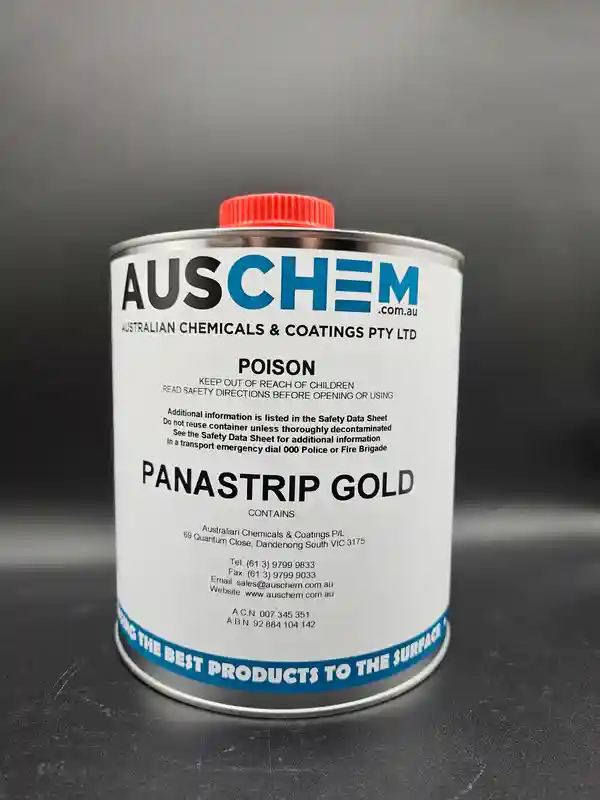
Chemical paint strippers break the bond between a coating and the surface underneath. In simple terms, they soften and lift paint so you can scrape or wash it away. The terms "paint stripper" and "paint remover" mean the same thing. The product's consistency also matters: gel paint strippers cling to vertical surfaces like car panels, while liquid formulas work well on horizontal areas.
Solvent-Based Strippers: The Traditional Powerhouses
Solvent-based paint strippers are the fastest option, working in 15-30 minutes. They penetrate and swell paint, breaking its bond with the surface, which makes them ideal for tough automotive 2K paints and epoxy coatings. While older formulas contained dichloromethane (now banned for consumer use), modern alternatives still have high VOCs (Volatile Organic Compounds). They require excellent ventilation and proper safety gear, so always check the Safety Data Sheet (SDS). You can learn more in our guide on Understanding Car Paint Strippers: Types, Uses, and Safety.
Caustic Strippers: The Heavy Lifters
Caustic paint strippers, containing sodium hydroxide (lye), work by chemically dissolving the paint film. This process, called hydrolysis, is extremely effective on heavy, multi-layered coatings, especially on masonry like concrete and brick. However, they are highly corrosive and will damage wood by raising the grain and causing discolouration. Crucially, the surface must be neutralised with an acidic wash after stripping to prevent new paint from failing.
Safer & Biochemical Strippers: The Modern Alternatives
Biochemical paint strippers are the safest modern option. Often derived from soy or citrus, they soften paint slowly over 3 to 24 hours. Their main advantages are low VOCs, low odour, non-flammability, and biodegradability, making them perfect for indoor use, DIY projects, and delicate wood surfaces. The trade-off is speed, and they may struggle with tough, multi-layered industrial coatings. Gel formulas typically cover 5 to 12 square metres per litre, depending on the surface and application thickness.
Choosing the Right Paint Stripper for Your Project
This section helps you select the best product for your specific needs, from automotive panels to industrial machinery.
Selecting the right paint stripper is crucial, as the wrong choice can damage your substrate or waste time. Success depends on three factors: the surface, the coating type, and your project's environment. Always test your chosen product on a small, hidden spot first.
Matching the Stripper to the Surface
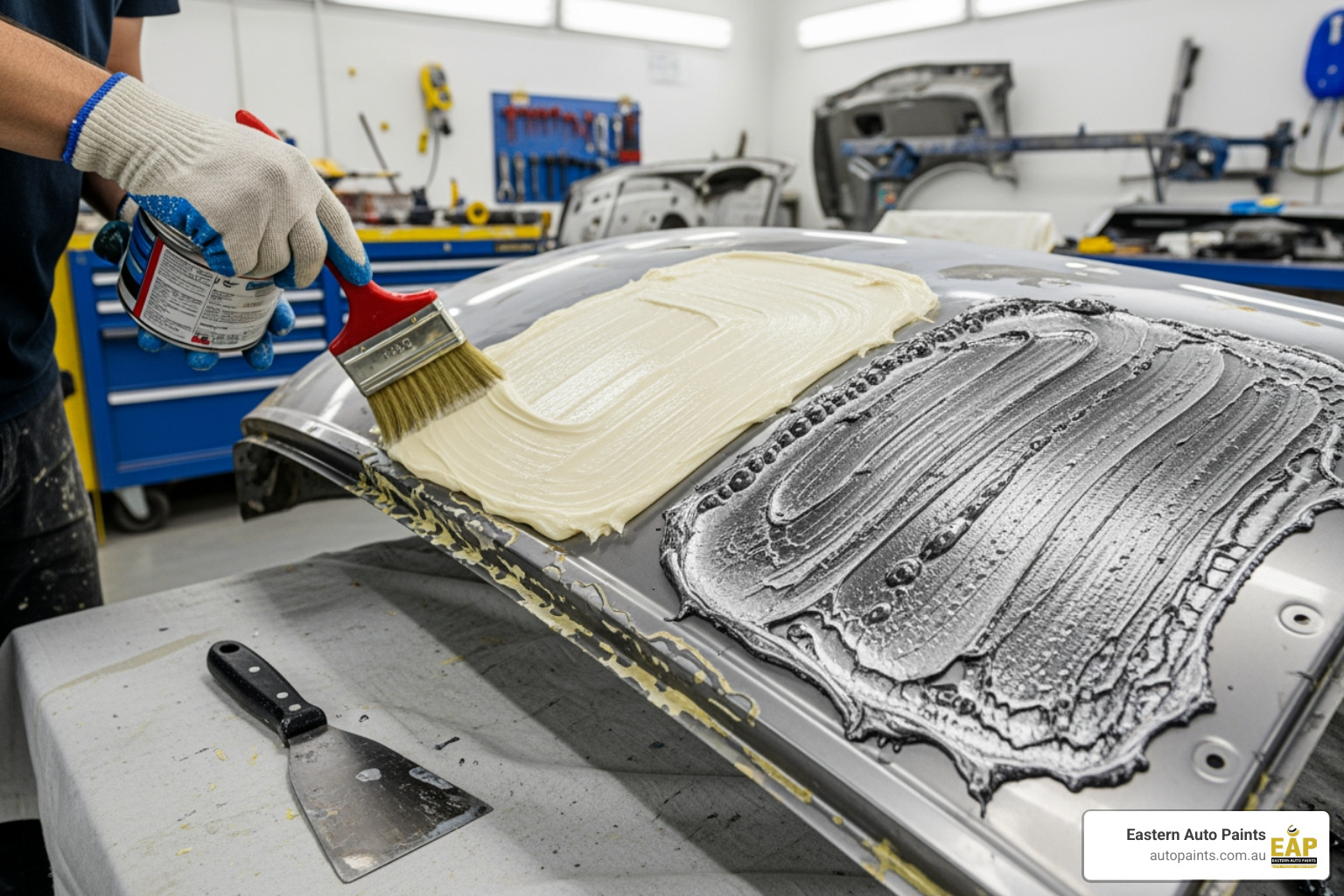
- Metal surfaces: Solvent-based strippers are ideal for automotive and industrial metal. Be aware that bare metal can develop flash rust quickly, so have your primer ready. Our Beginners Guide to Rust Repair and Prevention has more tips.
- Wood surfaces: Use gentler biochemical or mild solvent strippers. Caustic strippers will raise the grain and discolour the timber. Clean with methylated spirits instead of water to prevent swelling.
- Concrete and masonry: These durable surfaces can handle aggressive caustic strippers, which are excellent for removing multiple paint layers. Thorough rinsing and neutralisation are mandatory for proper adhesion of new coatings.
Considering the Paint Type and Layers
Tough coatings like 2K paints, epoxy, and polyurethane require industrial-strength solvent-based products. Our guide on The Guide to Epoxy Primer Paint for Cars explains just how tough these coatings are. Likewise, marine coatings and surfaces with many layers of paint need powerful removers designed for multi-layer penetration. Always match the stripper's strength to the coating's resilience.
Key Factors to Consider When Choosing a Paint Stripper
Your choice often involves a trade-off between speed and safety. Fast-acting solvents require strict safety protocols, while slower biochemical options are safer for DIY and indoor use. Consider your project timeline, work environment (indoor vs. outdoor), and whether a gel or liquid formula is better suited to your surface.
| Stripper Type | Speed | Safety | Surface Compatibility | Best Applications |
|---|---|---|---|---|
| Solvent-Based | Fast (15-30 min) | Requires strict safety measures (High VOCs) | Excellent for metal and glass. Avoid plastics and fibreglass. | Automotive panels, industrial equipment, tough modern coatings |
| Caustic | Moderate to Fast | Corrosive. Requires neutralisation. | Ideal for masonry and some metals. Not suitable for wood or aluminium. | Concrete floors, brickwork, heavy industrial stripping |
| Biochemical | Slow (3-24 hrs) | High (Low VOCs, non-flammable, non-caustic) | Safe for wood, metal, most surfaces. Check compatibility with plastics. | DIY projects, furniture restoration, indoor use, delicate surfaces |
If you're unsure, our team at Eastern Auto Paints can help. Visit our paint stripping supplies range or contact our team for personalised advice.
Safety First: How to Use Paint Stripper Safely
Proper handling and personal protection are non-negotiable when working with chemical strippers. At Eastern Auto Paints, we insist that safety should always be your first priority.
Essential Personal Protective Equipment (PPE)
No matter which paint stripper you use, the right PPE is your barrier against health risks.
- Respiratory Protection: Vapours can be harmful. For most strippers, a half-face respirator with organic vapour cartridges is needed. For industrial 2K isocyanate coatings, an atmosphere-supplying system like an Air-Fed Mask is often required. Always consult the product's Safety Data Sheet (SDS) and our guides on PPE masks, including our Ultimate Checklist for Finding Your Best Half Face Respirator.
- Chemical-Resistant Gloves: Protect your skin from chemical burns. Use nitrile or butyl rubber gloves, checking the SDS for compatibility.
- Eye Protection: Wear safety goggles or a full face shield to prevent splashes, which can cause permanent eye damage.
- Proper Ventilation: Work outdoors if possible. Indoors, ensure maximum cross-ventilation with fans and open windows to move fumes out of your workspace.
Environmental and Disposal Considerations
Responsible use includes proper disposal. Stripper residue and old paint are considered hazardous waste. Never pour them down the drain or put them in regular rubbish. Contact your local council for specific disposal guidelines.
For businesses, investing in solvent recycling machines can significantly reduce waste and costs. We supply UK-made UNIC Solvent Recyclers that are a smart investment for any workshop. Learn more in our Comprehensive Guide to Solvent Recyclers. Choosing biodegradable biochemical strippers also lessens your environmental impact.
Alternatives to Chemical Paint Stripping
While chemical paint strippers are effective, they aren't always the best choice. Sometimes a chemical-free approach makes more sense, especially for delicate surfaces or when dealing with lead-based paint.
Mechanical Removal Methods
Mechanical methods physically remove paint. Sanding is great for thin layers, and we offer a wide range of sanding discs for the job. Scraping works well on loose, flaking paint. For large or tough jobs, professional media blasting (sand, soda, etc.) strips surfaces like automotive chassis quickly and completely. While you can sometimes powder coat over an existing finish, blasting to bare metal is the most reliable method for a durable result.
Thermal Removal Methods
Heat-based methods use temperature to soften paint.
Heat guns cause paint to blister so it can be scraped off. Be mindful of fire hazards and avoid high temperatures on suspected lead paint, as this can create toxic fumes. Infrared removers are a safer alternative, using lower temperatures (around 200°C or 400°F) that won't vaporise lead, making them ideal for heritage work and delicate wood.
Regardless of the method, temperature control is crucial. Never use an open flame, and always keep your work area clear and well-ventilated.
Frequently Asked Questions about Paint Strippers
We hear questions about paint stripper every day from our customers. Here are the most common ones.
How long does paint stripper take to work?
The working time for paint stripper depends on the product, paint type, number of layers, and temperature.
- Solvent-based strippers: These are the fastest, typically working in 15 to 30 minutes.
- Biochemical strippers: These safer options require more patience, needing 3 to 24 hours.
Always apply a thick coat and give the product enough time to work. Rushing the process often leads to needing a second application.
Can I use paint stripper on plastic or fibreglass?
Use extreme caution. The short answer is no, not without testing. Most traditional solvent-based paint strippers are too aggressive and can melt, warp, or permanently damage plastics and fibreglass. Always test on a hidden spot first, or better yet, choose a product specifically labelled as safe for these materials. Mechanical methods like careful sanding are often a safer alternative. If you're unsure, contact us for advice.
What's the best way to clean up after stripping paint?
Proper cleanup is essential for new paint to adhere. Any residue left behind can cause your new coating to fail.
- Neutralising Caustic Strippers: This is a mandatory step. Rinse the surface with water, wash with a vinegar/water solution to counteract the alkalinity, then rinse again.
- Water Wash: This works for most other strippers. Use warm water and a stiff brush.
- Mineral or Methylated Spirits: Use these on water-sensitive wood to avoid raising the grain.
After cleaning, allow the surface to dry completely, then lightly sand away any remaining residue before applying a primer. For more details, see our Practical Guide to Choosing Auto Paint Primers.
Making the Right Choice for a Flawless Finish
Choosing the right paint stripper is the foundation of a successful refinishing project. It's about balancing speed, safety, and effectiveness for your specific surface and paint type. Most finish failures trace back to poor surface preparation, so getting this first step right with the correct stripper and cleanup is critical before applying primers or body fillers. For more tips, check out our guide on How to Bodyfiller Like a Pro.
Our Melbourne-based team brings over 34 years of experience supplying high-quality automotive and industrial refinishing products. We work with professionals and DIY enthusiasts across Victoria, Sydney, and Queensland, providing top-tier brands and the expert advice that sets us apart.
Don't let uncertainty hold you back. We're here to help you make informed decisions and ensure your work begins with the best possible foundation.
Explore our full range of paint stripping supplies or contact our team for personalised recommendations custom to your specific project needs.