
Beginner's Luck: The Best Paint Gun for Beginners and Pros Alike
Choosing the Best Spray Gun Car Setup for Your Finish
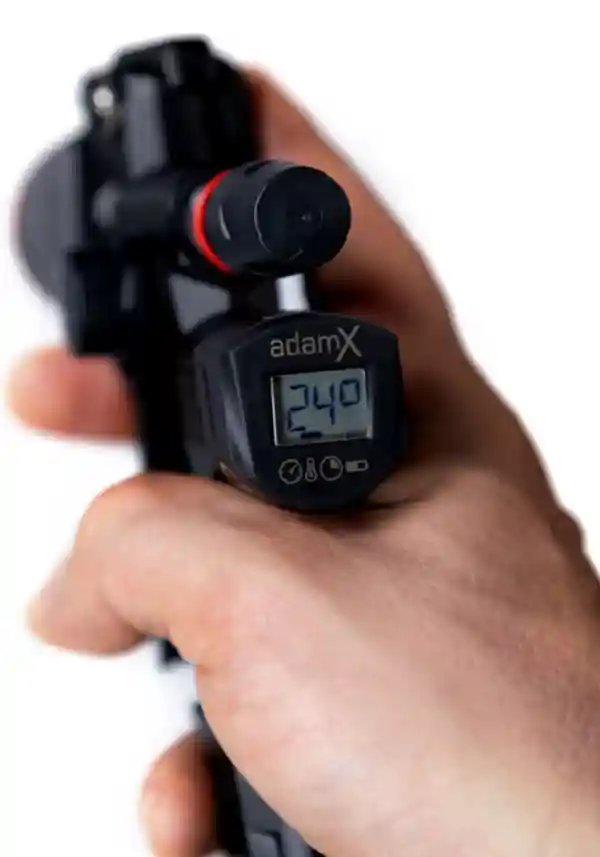
Eastern Auto Paints knows that achieving the best spray gun car finish requires a setup that feels controlled, even, and repeatable, while the wrong setup can leave an otherwise careful repair looking dry, patchy, or heavily textured. For trade refinishing work and serious vehicle restoration, the right gun must suit the coating, your spraying technique, and the air supply already available in the workshop.
Key Takeaways
- Anest Iwata W400BA Bell Aria suits refined gravity-feed automotive refinishing where controlled atomisation and consistent panel coverage are priorities.
- Anest Iwata LS400 Series 2 Digital is a premium digital gravity spray gun option for painters who value precise setup control.
- Anest Iwata WS400 Series 2 Digital Clearcoat Spray Gun is a stocked clearcoat-focused option for high-quality finishing work.
- SATA jet X models suit refinishing where precision atomisation, controlled fan patterns, and rapid application are priorities.
- 2SPRAY, Workquip, Wider2, AZ1, and General Purpose spray guns provide practical options for different workshop tasks and budget levels. Explore our spray guns and accessories to compare suitable equipment.
At Eastern Auto Paints (EAP), we help professional applicators, collision repairers, and committed DIY restorers match their spray gun to the job rather than relying on a one-size-fits-all recommendation. We consider the paint system, fluid tip and air cap arrangement, compressor output, filtration, and the level of control required for primers, colour coats, and clear coats.
Our focus is on practical guidance that supports durable, high-quality vehicle finishes. By pairing proven refinishing equipment with technical product knowledge and accurate colour-matching support, we help customers build a spray setup they can understand, maintain, and use with confidence.
Selecting Technology: HVLP and RP Spray Gun Comparison
Modern automotive spray gun technology relies on fluid dynamics and pneumatic engineering to break liquid coating materials into uniform atomised droplets. In professional refinishing, achieving an even distribution of paint across the target panel requires matching air velocity, fluid flow, and cap geometry. Selecting the appropriate technology supports efficient material delivery, controlled fan patterns, and smooth surface flow.
When evaluating equipment for varied refinishing scenarios, painters generally choose between high volume low pressure (HVLP) systems and reduced pressure (RP) technology. Each system manages airflow and air volume differently to balance material transfer efficiency with application control. For a deeper breakdown of top equipment recommendations across skill levels, explore our guide on What's a Good Automotive Paint Gun Top Picks for Every Budget and Skill Level.
HVLP Technology Strengths
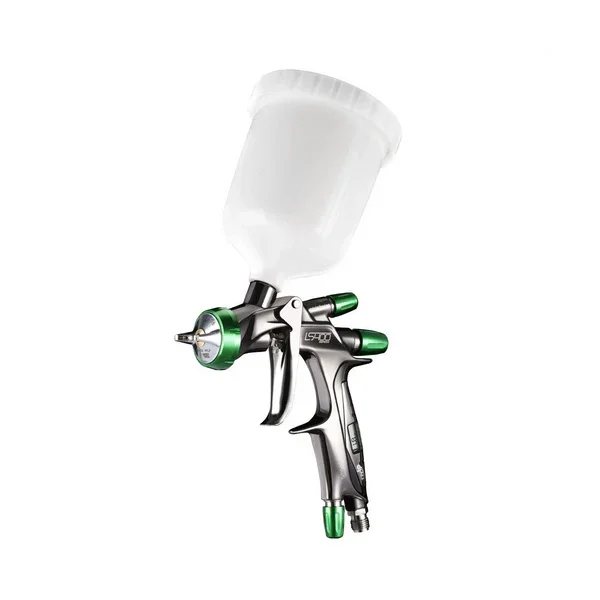
High volume low pressure (HVLP) spray guns process a high air volume at reduced pressure at the air cap. This design lowers air velocity as paint droplets exit the nozzle, creating a softer spray cloud.
The reduced exit velocity of HVLP guns can support strong material transfer efficiency and minimise bounce-back from vehicle panels when the gun is used as directed by the coating and equipment manufacturer. By keeping more coating material on the substrate, HVLP technology helps reduce airborne overspray, maintaining a cleaner spray booth environment and supporting booth filter service life. This efficiency can help manage material use when applying metallic basecoats and pearl finishes.
RP Technology Strengths
Reduced pressure (RP) technology balances the transfer efficiency focus of HVLP with increased working speed and fine atomisation. Operating at moderated cap pressure while supporting compliant transfer performance, RP guns deliver paint with a more energetic spray pattern.
The primary advantage of RP technology lies in its application speed and atomisation power. Busy collision repair centres benefit from wider fan control and a rapid delivery rate, allowing technicians to cover large panels efficiently. RP guns can help break down higher-viscosity coatings thoroughly, laying down clear coats and high-solid topcoats with strong gloss potential and controlled surface texture when set up for the coating being applied.
Stocked Spray Gun Specification Comparison
| Model / Setup | Technology | Atomisation Type | Ideal Application | Operating Guidance |
|---|---|---|---|---|
| W400BA Bell Aria Spray Gun BA Air Cap | Gravity feed | Fine atomisation | Basecoats & refinishing work | Follow product-specific setup guidance |
| LS400 Series 2 Digital Spray Gun | Digital gravity feed | Refined atomisation | Colour coats & controlled refinishing | Follow product-specific setup guidance |
| WS400 Series 2 Digital Clearcoat Spray Gun | Digital gravity feed | Clearcoat-focused atomisation | Clear coats & finishing work | Follow product-specific setup guidance |
| SATA jet X Digital Pro / Digital / Basic | RP / HVLP model-dependent | High-precision atomisation | High-gloss topcoats & clear coats | Follow product-specific setup guidance |
| 2SPRAY Gravity Gun | Gravity feed | General atomisation | General refinishing & primer tasks | Follow product-specific setup guidance |
Decision Guide: Matching Technology to Application Needs
Selecting between HVLP and RP spray guns requires evaluating your workshop environment, air compressor capacity, and typical job requirements.
When working with delicate waterborne basecoats or performing intricate spot repair work in enclosed spaces, HVLP technology is often chosen for its controlled delivery and lower overspray formation. Conversely, when undertaking high-volume panel repairs, complete vehicle resprays, or applying high-gloss clear coats that require rapid wet-on-wet flow, RP technology can provide the velocity needed for smooth levelling. For product-specific requirements, check the coating manufacturer's technical data sheet (TDS) before choosing a setup.
Practical Spray Gun Strengths
Practical spray guns offer high value for apprentice technicians and serious home restorers establishing a reliable refinishing setup. Designed with user-friendly operation in mind, these models feature simple controls for adjusting fluid needle travel, fan width, and operating air pressure.
Stocked options such as the 2SPRAY Gravity Gun, 2SPRAY Mini Gravity Spray Gun, Workquip X1 Mini Spray Gun, AZ1 Concept HTE Suction Spray Gun, Wider2 suction or pressure models, and General Purpose spray guns can support different workshop tasks when matched to the coating system and job type. To learn more about selecting practical spray equipment, read our article on an Air Paint Gun for Cars.
Flagship Performance Spray Gun Strengths
Flagship performance spray guns are engineered for master painters and high-volume body shops that demand precision and repeatable results. These premium tools feature refined air cap design, quality fluid passages, and ergonomic balancing.
Stocked flagship options include Anest Iwata W400BA Bell Aria, LS400 Series 2 Digital Spray Gun, WS400 Series 2 Digital Clearcoat Spray Gun, and SATA jet X Digital Pro, Digital, and Basic models. Systems like the SATA jet X series are designed for consistent pattern control and fluid delivery, which you can read about in A Practical Guide to Comparing SATA Spray Guns. Anest Iwata models in the EAP range also offer refined control for complex refinishing jobs.
Decision Guide: Choosing Between Practical and Flagship Models
Choosing between practical and flagship spray guns depends on production volume, project complexity, and operator experience.
Practical guns provide a forgiving learning platform for technicians developing their pass speed, overlap technique, and equipment maintenance discipline. Flagship models are suitable for high-throughput commercial shops where rapid cycle times, digital air monitoring, and refined finish control justify the investment. As your spraying technique advances and daily shop requirements increase, upgrading your core spray gun can expand your refinishing capabilities.
Choosing an Automotive Spray Gun Setup for Refinishing
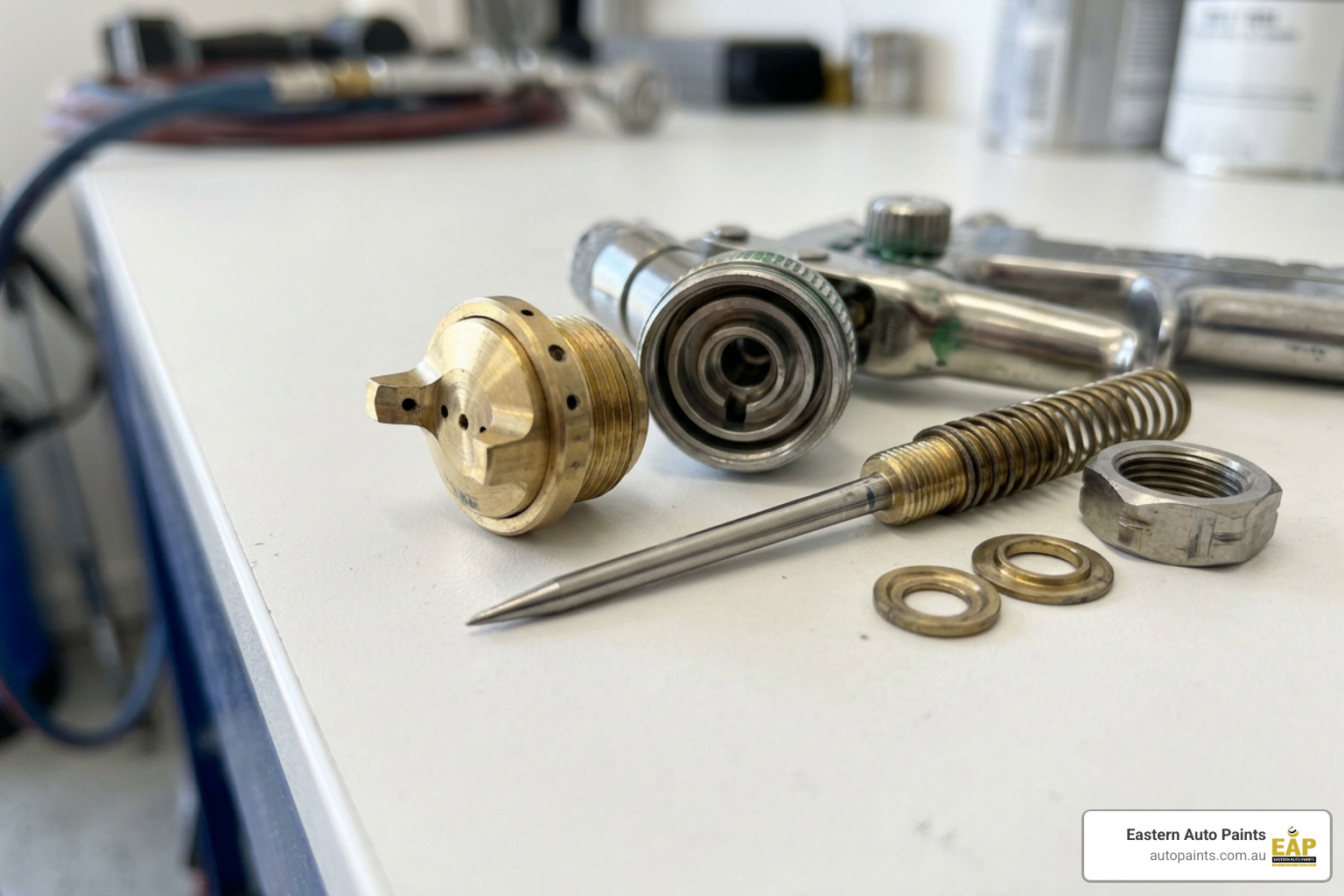
Achieving a flawless finish requires selecting the correct fluid tip, needle assembly, and air cap combination for the specific paint material being applied. Viscosity varies substantially across primers, basecoats, and clear coats, requiring a setup that achieves proper atomisation without clogging or heavy centre loading.
Matching Fluid Tips and Air Caps to Automotive Applications
Fine fluid tip setups are designed for lower-viscosity materials, such as solvent basecoats, waterborne colour coats, and fine detail spot repairs. The smaller orifice provides delicate fluid control, preventing over-application and supporting uniform orientation of metallic flakes and mica particles.
Medium fluid tips suit medium-viscosity coatings, including clear coats and single-stage two-pack (2K) acrylic enamels. These tips provide balanced fluid flow, enabling clear coats to wet out smoothly for gloss and depth.
Wide fluid nozzles are engineered for heavier-bodied materials like high-build polyester primers and surfacers. To explore dedicated equipment setups for heavy coatings, see our overview of an Auto Body Paint Gun. Pairing wide nozzles with appropriate air caps helps prevent split spray patterns and supports even primer film build. For detailed insights into air cap selection and atomisation control, read our guide on SATA Jet X features.
When spraying waterborne paint systems, ensure all fluid passages, needles, and nozzles are manufactured from corrosion-resistant stainless steel where recommended by the equipment manufacturer. Use the product label or technical documentation to confirm exact setup requirements before starting the job.
Single Gun vs Dedicated Multi-Gun Workflows
Operating dedicated spray guns for distinct stages of the refinishing process helps reduce cross-contamination risks and prolong equipment lifespan. Using a single spray gun for high-build primer, metallic basecoat, and high-gloss clear coat increases the likelihood of particle contamination and surface defects.
Dedicated primer guns handle abrasive high-build surfacers without risking damage to the precision-machined air caps used on basecoat and clear coat equipment. Furthermore, isolating waterborne basecoat spray guns from solvent-based clear coat equipment helps prevent chemical incompatibility issues that can cause fish-eyes or loss of adhesion. Adopting disciplined maintenance routines, such as thorough solvent flushing and proper seal lubrication, supports consistent performance across every stage of automotive paint application.
Air Compressor, Airflow, and Equipment Requirements
A spray gun is only as reliable as the compressed air system feeding it. Automotive spray guns require a continuous, stable volume of air at the dynamic pressure specified by the equipment manufacturer to maintain proper atomisation.
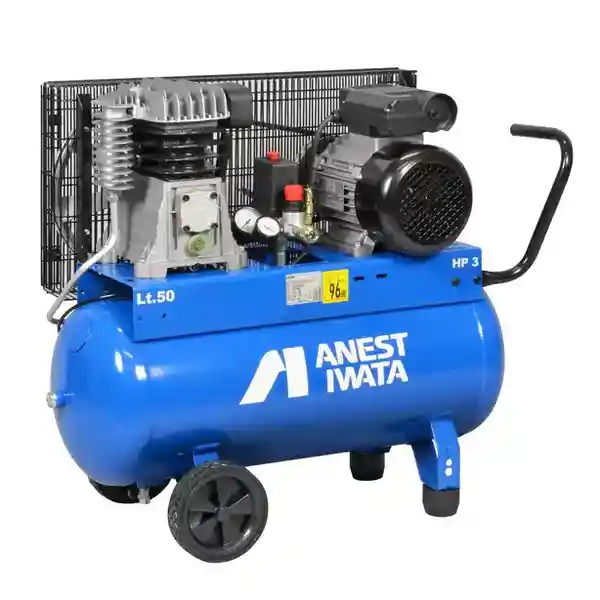
Selecting an air compressor with sufficient reserve capacity helps ensure consistent pressure delivery during full vehicle resprays, preventing pressure drops that cause pattern collapse or uneven texture. Using adequate inside-diameter air supply hoses minimises line friction and pressure drops over distance. To learn more about sizing air equipment, review A Comprehensive Guide to Choosing a Car Painting Compressor.
Workshop Setup, Air Filtration, and Safety Standards
Compressed air naturally carries water vapour, condensed moisture, oil mist from the compressor pump, and solid scale from supply pipework. Applying automotive coatings using contaminated air can lead to finish defects such as blistering, cratering, and fisheyes.
Installing a multi-stage air conditioning unit featuring moisture separators, coalescing filters, and desiccant dryers helps ensure clean, dry air reaches the spray gun handle. Pairing this filtration with a responsive inline air pressure regulator allows technicians to set dynamic pressure accurately under full trigger pull.
Personal safety and environmental compliance are paramount in any spraying environment. Always refer to the product label and relevant SafeWork or WorkSafe guidance to select appropriate personal protective equipment (PPE), eye protection, and spray clothing for the specific product and job. For garage installations, review our guide on selecting a compressor for a home garage. To view complete air conditioning line hardware, explore our range of spray guns and accessories.
Practical Solutions and Reassurance
Achieving professional, repeatable refinishing results comes down to matching your spray equipment to your workshop air supply, environmental conditions, and coating chemistries. When equipment parameters are properly aligned, spraying feels controlled, predictable, and rewarding.
Why This Issue Should Not Be Ignored
Selecting an unsuitable spray gun or attempting to operate high-demand equipment on an underpowered air compressor directly compromises paint atomisation and surface levelling. Equipment mismatches frequently result in noticeable paint defects such as heavy orange peel, metallic mottling, striping, runs, and dry spray zones.
Correcting application errors requires labour-intensive sanding, stripping, and re-coating, wasting valuable paint materials and workshop time. Furthermore, neglecting adequate air line filtration and proper health and safety precautions exposes operators to hazardous organic solvents and airborne isocyanates.
Common Symptoms, Challenges, or Questions
Refinishing technicians and restorers often encounter spray pattern issues that stem from equipment setup or air supply imbalance:
- Uneven or Split Spray Patterns: Often caused by heavy fluid accumulation in the centre of the pattern or dry overspray on the outer edges, usually fixed by adjusting air pressure or cleaning dried material from the air cap horns.
- Dynamic Pressure Drops: A drop in pressure at the gun handle during full trigger pull indicates restrictive hose diameters, excessive hose lengths, or insufficient compressor CFM output.
- Dry Texture or Heavy Orange Peel: Occurs when paint droplets dry before levelling smoothly, indicating incorrect fluid tip sizing, excessive air pressure, or improper solvent reduction speeds.
- Material Incompatibility: Switching between waterborne and solvent coatings without dedicated equipment or deep solvent cleaning can degrade gun seals and cause severe surface fisheyes.
Application parameters, mix ratios, and drying times vary by product, so exact settings should come from the manufacturer guidance for the coating being used.
What a Personalised Experience Actually Looks Like
At Eastern Auto Paints, we take a personalized approach to helping trade professionals and serious restorers select spray equipment:
- Tailored Equipment Matching: We evaluate your existing compressor output, hose sizes, and filtration hardware to recommend spray guns that perform reliably within your workshop setup.
- TDS-Aligned Recommendations: We guide you on fluid tip and air cap selections recommended by paint manufacturers for specific primers, basecoats, and clear coats.
- Practical Setup Support: We offer clear technical advice on gun tuning, fluid needle adjustment, fan controls, and spray pattern testing to help you achieve a smooth finish from the start.
The Value of Consistency and an Ongoing Relationship
Refinishing success relies on consistency across equipment, consumables, and technical support. Partnering with a dedicated supplier ensures you have steady access to genuine replacement needles, fluid nozzles, air caps, rebuild kits, and cup adapters.
As your refinishing skills develop or your workshop expands into custom finishes and high-production collision work, an ongoing relationship provides reliable technical guidance tailored to your growing operations.
What to Expect at Eastern Auto Paints
Eastern Auto Paints supplies high-quality automotive paint products, refinishing equipment, and workshop supplies across Victoria, with physical locations in Bayswater, Dandenong South, and Melbourne.
Our core advantage lies in our advanced computerised colour-matching technology and expert practical advice. Whether you are searching for premium gravity feed guns, high-build primer setups, specialised abrasives, or safety equipment, our experienced team provides support tailored to your project requirements. Discover our complete range by exploring our full collection to Browse Automotive Paint Products.
When to Get in Touch or Take Action
If your current spray setup is producing inconsistent atomisation, pressure drops, or textured finishes, it may be time to evaluate your spray gun and air supply system.
Consulting with automotive paint specialists before investing in new spray guns, compressors, or filtration units prevents costly equipment mismatches. Contact Us at Eastern Auto Paints for expert advice, equipment recommendations, and tailored refinishing support. To find the right gravity gun for your shop, explore options to Shop Gravity Feed Spray Guns.
Fine-Tuning the Finish
Achieving a mirror-smooth automotive finish requires combining the right spray gun technology, fluid tip setup, clean compressed air, and disciplined spraying technique. Whether you select an accessible practical model or a high-precision flagship spray gun, matching equipment to your specific coating materials and workshop infrastructure is key to long-term refinishing success.
At Eastern Auto Paints, we support trade applicators and dedicated restorers with high-calibre refinishing products, advanced colour matching, and practical technical guidance. Explore our complete range of spray guns and accessories, or reach out through our Contact Us page to discuss your spray equipment requirements with our expert team.
Frequently Asked Questions About Automotive Spray Guns
What size air compressor do I need to run a professional automotive spray gun?
Running a professional automotive spray gun continuously requires an air compressor capable of delivering sufficient air volume at the working pressure specified by the equipment manufacturer. High volume low pressure (HVLP) and reduced pressure (RP) spray guns consume substantial volumes of air during panel spraying. Operating on an undersized compressor can lead to pressure drops, fan pattern collapse, and motor overheating. Always check the spray gun manufacturer documentation for specific air consumption ratings and pair it with a compressor that comfortably supports those requirements.
What fluid tip should I use for base coat, clear coat, and primer?
Fluid tip selection depends on the viscosity of the coating material being applied. Fine fluid tips are generally recommended for low-viscosity basecoats and waterborne colour coats to maintain delicate fluid control and metallic flake orientation. Medium fluid tips suit medium-viscosity clear coats and single-stage acrylic topcoats, allowing sufficient material flow for surface levelling and gloss depth. Wide fluid nozzles are intended for heavy-bodied high-build primers, surfacers, and polyester fillers. Check the paint manufacturer's recommendations before choosing a fluid tip for a specific product.
Can I spray both waterborne and solvent-based paints with the same spray gun?
While it is technically possible to spray both waterborne and solvent-based coatings using a single spray gun equipped with stainless steel fluid passages, operating dedicated spray guns for each material type is recommended in professional refinishing. Residual solvent contamination in a spray gun can react negatively with waterborne paint formulations, causing fisheyes, clouding, or adhesion failure. If using a single gun, complete disassembly and meticulous solvent or waterborne cleaning must be performed between chemistry changes to prevent cross-contamination.
How do I prevent fisheyes and water spots in my clear coat finish?
Fisheyes and water spots are caused by oil, moisture, or silicone contamination in the compressed air supply or on the substrate surface. To prevent these defects, install a dedicated multi-stage air filtration system featuring a moisture separator, coalescing filter, and desiccant dryer near the spray outlet. Additionally, ensure the vehicle panel is thoroughly cleaned with solvent wax and grease remover using a two-cloth wipe technique prior to spraying, and never use silicone-based dressing products inside the paint preparation area.
What is the main difference between HVLP and RP spray gun technology?
The main difference lies in air cap pressure, air velocity, and application style. HVLP spray guns operate at lower air cap pressure, producing a soft spray cloud that supports material transfer efficiency and minimises overspray bounce-back. RP spray guns operate at moderated air cap pressure while supporting compliant transfer performance, delivering higher fluid velocity and faster fan coverage. HVLP technology is often preferred for basecoats and controlled booth environments, while RP technology is commonly selected for laying down smooth, high-gloss clear coats over large panels.