
Commercial Vehicle Paint and Industrial Coatings: A Complete Overview
Why Choosing the Right Industrial Coating Supplier Matters
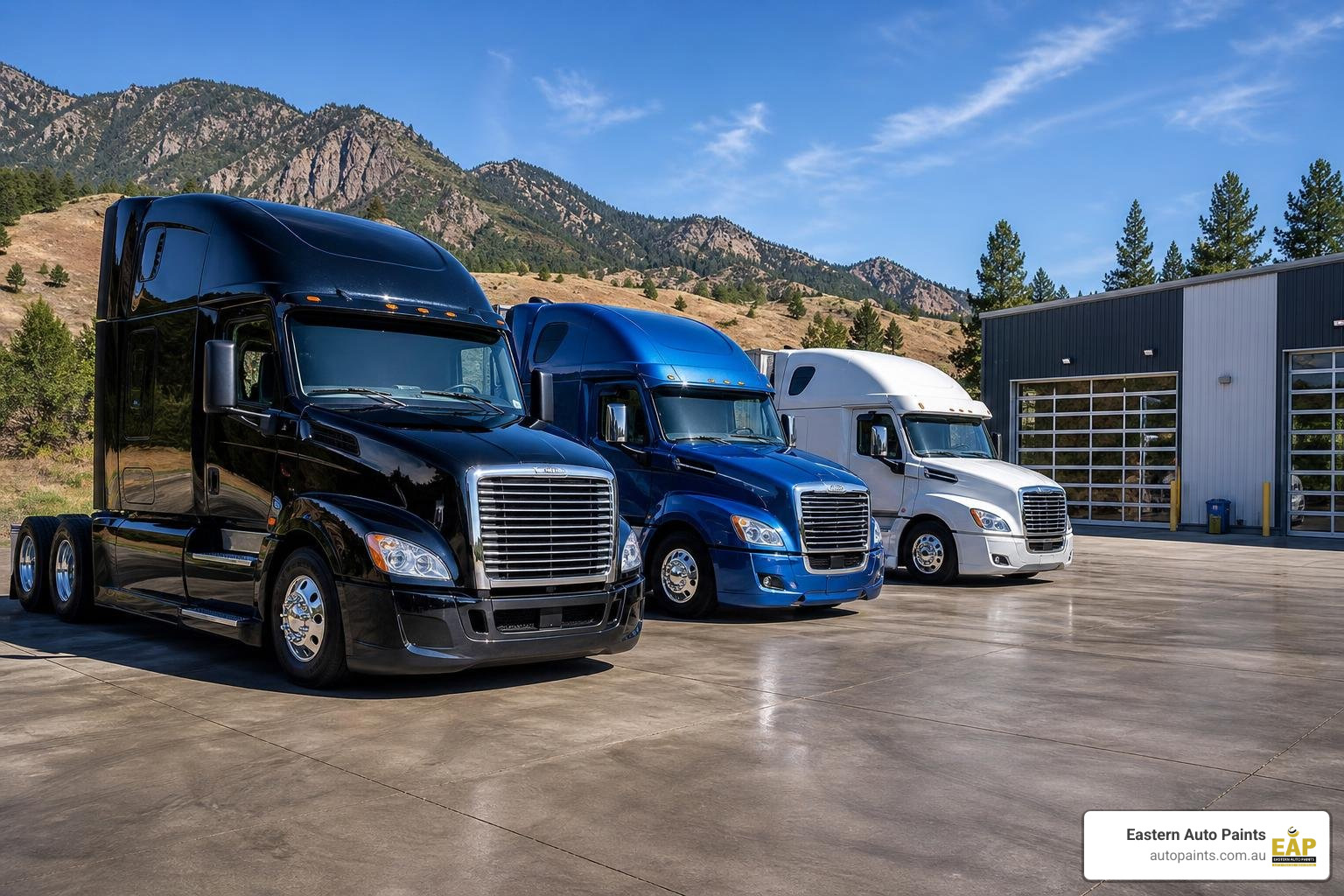
Finding a reliable industrial coating supplier comes down to a few key factors. Here is a quick overview to help you evaluate your options:
- Product range: Look for suppliers offering epoxy, polyurethane, alkyd, and polyurea systems across multiple substrates.
- Technical support: The best suppliers provide specification guidance, not just product sales.
- Environmental compliance: Seek out low-VOC (volatile organic compound), PFAS-free, and water-based options where your application allows.
- Industry certifications: Verified distributor relationships with manufacturers like PPG and Jotun signal product authenticity and supply reliability.
- Application expertise: A supplier who understands your substrate, environment, and finish requirements will help you avoid costly coating failures.
- Distribution network: Consistent supply and fast turnaround matter as much as product quality, especially for fleet and commercial work.
The right coating does far more than add colour to a surface. It protects structural steel from corrosion, shields commercial vehicles from chemical and physical wear, and keeps industrial equipment performing reliably across demanding environments. Getting the product selection wrong can mean premature failure, costly rework, and unplanned downtime. Getting it right means protection that lasts years, or even decades. A water-based acrylic coating applied to a major river dam structure in 1973 was still performing well nearly four decades later, which is a striking reminder of what well-chosen industrial coatings can achieve.
At Eastern Auto Paints, we have built our industrial coatings offer around trusted manufacturer partnerships, precise colour matching, and the kind of hands-on technical guidance that helps customers make confident, informed choices. I'm James Maranis, owner of Eastern Auto Paints, and with more than 30 years working across automotive, commercial, and industrial coatings, I have seen first-hand how the right industrial coating supplier relationship can transform the longevity and performance of a project. Whether you are protecting a commercial fleet, industrial machinery, or a large structural asset, this guide covers everything you need to select the right product and supplier for the job.
Quick look at Industrial coating supplier:
- Automotive touch up
- Metal protection spray
- Powdercoat Colour Spray Paint (or browse our powdercoat spray cans, custom aerosols, and textured spray paint)
Why This Issue Should Not Be Ignored
When managing commercial assets, fleet vehicles, or industrial infrastructure, delaying or neglecting your protective coatings can lead to severe consequences. Corrosion is a quiet but aggressive threat. Once moisture and oxygen bypass a compromised coating layer, the underlying metal begins to degrade. This corrosion damage can compromise structural integrity, leading to unsafe operating conditions and potentially catastrophic failures.
Premature wear on commercial vehicles and machinery also impacts your bottom line. Without high-performance protection, surfaces are vulnerable to chemical exposure, physical abrasion, and intense environmental degradation from UV radiation and coastal salt air. Over time, these elements break down standard paint layers, exposing the substrate and accelerating structural decline.
Proactive asset protection is essential for maximising asset longevity. By partnering with a knowledgeable supplier and utilising robust systems, you can establish a barrier that prevents early degradation. Investing in proper surface protection is far more practical than dealing with structural repairs or premature replacement. For a deeper look at protecting metal substrates from early deterioration, explore our guide on Rust Prevention and Treatment and browse our specialised rust prevention and treatment collection.
Common Symptoms, Challenges, or Questions
Selecting and applying industrial coatings comes with a unique set of challenges. Applicators and asset managers frequently encounter issues that can compromise the final finish if not addressed early.
- Coating failure: This often presents as peeling, blistering, or chalking, which typically stems from incorrect product selection or environmental stress.
- Substrate compatibility: Not all coatings adhere to all surfaces. Applying the wrong formulation to substrates like galvanised steel, aluminium, or concrete can lead to rapid adhesion loss.
- Application challenges: Factors like local humidity, ambient temperatures, and chosen application methods significantly influence how a coating flows and cures.
- Environmental compliance: Navigating local environmental regulations regarding VOC emissions can be complex, requiring a careful balance between high performance and regulatory compliance.
- Durability requirements: Matching the chemical and physical resistance of a coating to the actual working environment is essential for long-term performance.
What Are the Key Differences Between Water-Based, Solvent-Based, and Powder Coatings?
Understanding the fundamental differences between water-based, solvent-based, and powder coatings is essential for choosing the right system for your specific project. Each technology has unique characteristics, advantages, and ideal application scenarios.
Water-based coatings use water as the primary carrier to disperse the resin. This makes them highly suitable for projects requiring low odour, reduced VOC emissions, and easier cleanup. Modern water-based technologies have advanced significantly, offering excellent flash-rust resistance and durability that rivals traditional solvent options in many commercial environments.
Solvent-based coatings rely on organic solvents as the carrier. They are highly valued for their surface tolerance, rapid drying characteristics in varied climates, and exceptional gloss and chemical resistance. They remain a reliable option for heavy industrial environments where extreme weather or chemical exposure is a constant factor.
Powder coatings are dry, solid resins applied electrostatically and then cured under heat to form a hard, continuous film. Because they contain no liquid solvents, they emit virtually zero VOCs and offer outstanding resistance to chipping, scratching, and chemical spills. This makes them an exceptional choice for metal fabrications, wheels, and industrial components. For an in-depth look at this technology, consult our Powder Coatings Complete Guide.
| Coating Type | Primary Carrier | Key Advantages | Typical Applications |
|---|---|---|---|
| Water-Based | Water | Low VOC, low odor, easy cleanup, user-friendly | Interior structures, food packaging, light industrial equipment |
| Solvent-Based | Organic Solvents | Surface tolerant, fast drying, high gloss, excellent chemical resistance | Heavy machinery, commercial fleets, marine structures |
| Powder | None (Dry Solid) | Extremely durable, zero VOCs, highly resistant to impact and abrasion | Metal fabrications, automotive components, architectural metalwork |
How Does a Modern Industrial Coating Supplier Address Environmental Compliance?
Modern industrial coating suppliers are actively developing and distributing systems that meet strict environmental and workplace safety standards. This shift is driven by both changing regulations and a growing industry preference for safer working conditions.
One major focus is the reduction of VOCs. Suppliers offer specialised waterborne and high-solids formulations that significantly lower emissions during application. For those working in the automotive and transport sectors, choosing a Low VOC Automotive Paint helps maintain compliance with local environmental guidelines without sacrificing durability.
Additionally, the industry is transitioning toward PFAS-free formulations and incorporating bio-based resins derived from renewable resources. Suppliers are also addressing waste reduction by introducing recyclable packaging and supporting circular economy initiatives, ensuring that the environmental footprint of the coating is considered from production through to disposal.
What Specialised Technologies Exist for Demanding Environments?
For environments that experience extreme physical, chemical, or thermal stress, standard coatings are not enough. Advanced chemical engineering has led to highly specialised protective systems:
- Antimicrobial coatings: Formulated with active agents like silver ions, these coatings control bacterial growth on surfaces, making them highly valuable for HVAC ductwork, medical facilities, and food processing plants.
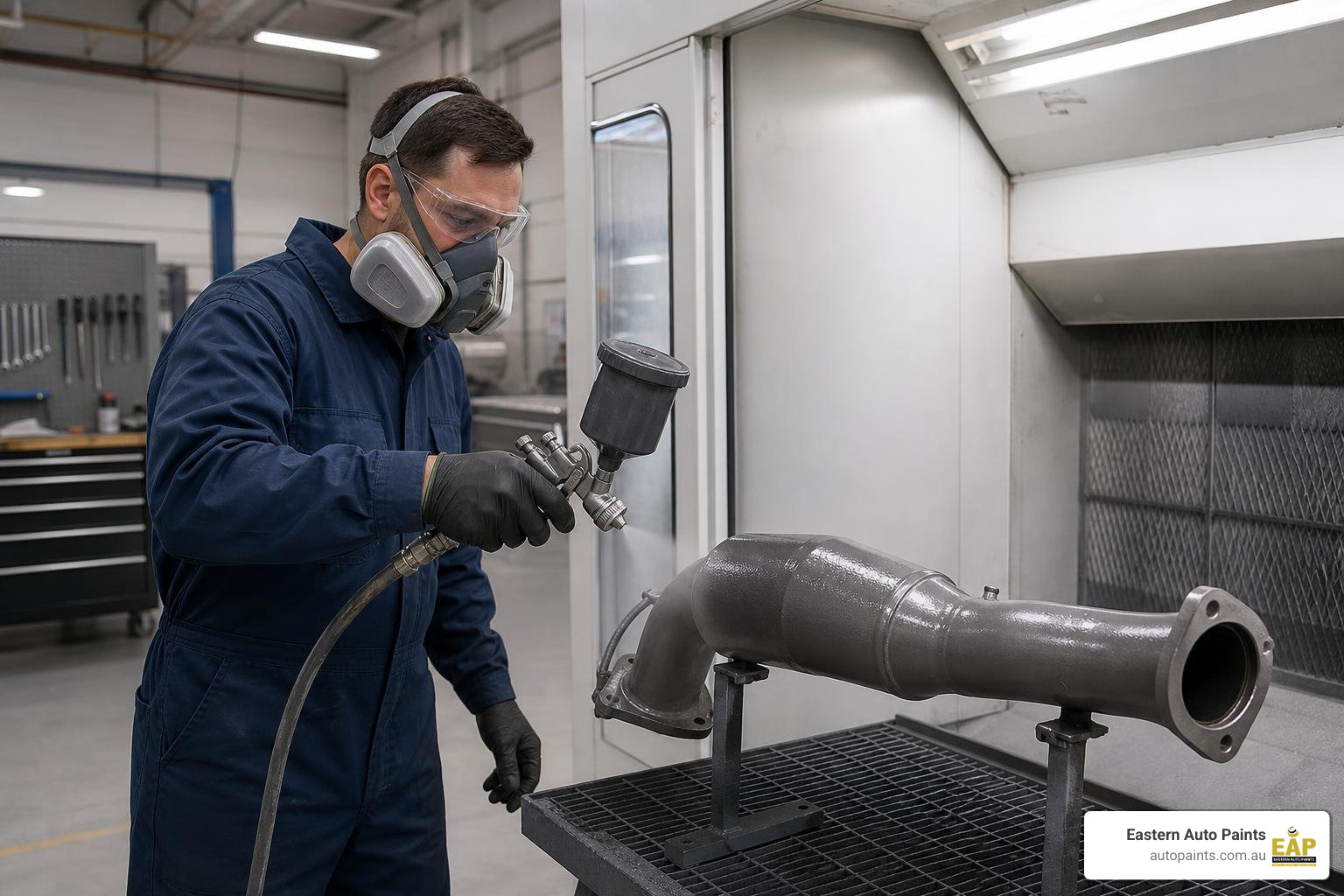
- High-temperature coatings: Designed to withstand continuous thermal exposure without degrading, these systems protect exhaust components, industrial piping, and engines.
- Corrosion-resistant coatings: Utilising advanced zinc-rich or barrier technologies, these coatings prevent rust and chemical attack in highly corrosive environments.
- Stainless steel-infused coatings: By embedding 316L stainless steel flakes within a water-based acrylic or epoxy matrix, these coatings provide the exceptional protective properties of solid stainless steel at a fraction of the cost.
- Polyurea spray-on liners: Known for extreme impact resistance and rapid curing, polyurea acts as an incredibly durable waterproofing and blast-mitigating barrier for containment areas, truck beds, and heavy machinery.
Which Industries Benefit Most from Advanced Industrial Coatings?
High-performance coatings are critical across a broad range of sectors, each with its own strict performance requirements:
- Aerospace: Requires coatings that offer extreme chemical resistance to hydraulic fluids, alongside flexibility and lightweight performance under rapid temperature fluctuations.
- Automotive and Transport: Demands excellent gloss retention, stone-chip resistance, and robust protection against road salts and weather.
- Construction: Relies on structural steel coatings that comply with durability standards to prevent rust and maintain structural integrity over decades.
- Food Packaging: Requires specialised, food-contact-compliant barrier coatings that protect against moisture, oil, and grease while remaining safe for consumers.
- Agriculture: Needs heavy-duty coatings for tractors, seed processing equipment, and storage silos to resist abrasion, moisture, and chemical exposure from fertilisers.
- Marine: Demands specialised anti-fouling and high-build barrier coatings to protect hulls and offshore structures from constant saltwater immersion and marine growth.
How Do Leading Manufacturers Differentiate Their Coating Technologies?
Leading global manufacturers differentiate themselves through continuous product innovation, robust technical support, and deep application expertise. Rather than offering generic paint, these companies develop tailored systems designed for highly specific service environments.
For example, manufacturers like Jotun and PPG focus heavily on engineering high-build epoxies and polyurethanes that offer long-term protection in harsh marine and industrial settings. They back these products with extensive testing, global distribution networks, and trained technical representatives who assist with specification writing and application training. By establishing strong industry partnerships, these manufacturers ensure that applicators have access to consistent, high-quality formulations and the technical knowledge required to apply them successfully.
What Are the Latest Advancements in Digital Printing Primers and Overprint Coatings?
The packaging and commercial printing industries have seen a significant shift toward digital printing, which requires highly specialised surface preparation and protection. Modern digital presses run at incredible speeds, demanding primers that can promote instant adhesion on diverse substrates like paper, films, and foils.
Aqueous digital printing primers are engineered to receive and bind inks rapidly, ensuring sharp resolution and vibrant colours. Following printing, advanced overprint varnishes and clear coatings are applied to protect the design. These overprint coatings provide essential water, oil, grease, and rub resistance, ensuring the packaging remains pristine during transit and handling. By utilising water-based, PFAS-free barrier coatings, packaging manufacturers can create recyclable, mono-material structures that support a circular economy.
How Do Epoxy, Polyurethane, Alkyd, and Polyurea Coatings Compare?
Selecting the correct resin chemistry is the most critical decision in specifying an industrial coating system. Each material has distinct performance characteristics that make it suitable for specific roles:
- Epoxy coatings: Renowned for outstanding adhesion, hardness, and chemical resistance. They are highly durable and serve as excellent primers or high-build intermediate coats. However, because they tend to chalk under UV exposure, they are typically top-coated when used outdoors.
- Polyurethane coatings: Provide exceptional UV resistance, colour retention, and gloss stability, often referred to as the "wet look." They make excellent topcoats for commercial vehicles and structural steel exposed to sunlight. For detailed guidance, see our PPG Performance Polyurethane Topcoat Guide or view the PPG Performance Polyurethane Topcoat (PPT) directly.
- Alkyd coatings: Single-component, quick-drying coatings ideal for mild, non-corrosive environments. They offer an economical and easy-to-apply option for transport protection and light machinery.
- Polyurea coatings: Offer unmatched flexibility, elongation, and rapid curing times. They are highly suited for heavy-duty lining applications where impact resistance and waterproofing are paramount.
What Role Do Fibre Sizings and Composite Coatings Play?
As modern manufacturing shifts toward lighter, stronger materials, carbon, glass, and natural fibre composites have become increasingly important in the automotive, aerospace, and wind energy sectors. However, the performance of a composite material depends heavily on the bond between the reinforcing fibres and the polymer matrix.
This is where specialised fibre sizings are essential. Applied as a thin coating during fibre manufacturing, these chemical treatments improve the mechanical performance, thermal stability, and handling of the fibres. By optimising the interface between the fibre and the resin, composite coatings ensure maximum strength, impact resistance, and durability in high-stress structural applications.
What a Personalised Experience with an Industrial Coating Supplier Looks Like
When you work with a professional industrial coating supplier, the experience goes far beyond simply buying paint off a shelf. A personalised approach begins with understanding your specific project parameters, including the substrate, the operating environment, and your application equipment.
At Eastern Auto Paints, we provide tailored specifications and direct technical support to ensure you get the right system for the job. Our advanced Colour Matching Services utilise spectrophotometer technology to scan existing finishes and generate precise, blendable formulas, ensuring absolute batch-to-batch consistency for fleets and industrial equipment.
Selecting the Right Industrial Coating Supplier for Your Specific Substrate
Different substrates demand entirely different coating chemistries. Applying an incorrect formulation can lead to immediate adhesion failure. A professional supplier will help you identify your substrate, whether it is mild steel, hot-dip galvanised steel, aluminium, concrete, or uPVC, and recommend a compatible system.
When evaluating suppliers, look for a robust distribution network, relevant industry certifications, and a comprehensive product range from world-class manufacturers. For example, selecting a supplier with deep brand knowledge allows you to compare specialised options effectively. To understand how different high-performance ranges stack up, take a look at The Definitive Guide to Comparing Jotun Paints.
The Value of Consistency and an Ongoing Relationship
For commercial operations, paint shops, and fleet managers, consistency is essential. Partnering with a reliable supplier ensures that the coating you apply today matches the coating you apply six months from now in colour, gloss, and performance.
By maintaining an ongoing relationship with us, we can save your custom colour formulations in our database, ensuring rapid turnaround and perfect batch consistency for future touch-ups or new assets. This reliable supply chain and technical partnership minimise downtime, streamline your inventory management, and provide long-term protection you can count on.
What to Expect at Eastern Auto Paints
When you step into our Bayswater head office or our Dandenong South trade showroom and warehouse, you are partnering with a team that has deep industry roots. We are proud to be a PPG Select Distributor, a certified Jotun Australia distributor, and the master wholesale distributor for Concept Paints in the South East Victoria region.
We do not focus on cheap retail paint or DIY craft supplies. Instead, we specialise in providing professional-grade products, precise colour-matching technology, and expert technical guidance to trade, commercial, and industrial applicators across Melbourne and Victoria. Our goal is to ensure you have the correct materials and knowledge to get the job done right the first time.
When to Get in Touch or Take Action
Timing is everything when it comes to protective coatings. Waiting until rust is visible or a coating is actively peeling means facing far more intensive prep work and higher costs. You should reach out for a professional consultation when:
- Planning fleet maintenance or refinishing commercial transport assets.
- Specifying coatings for new manufacturing, structural steel, or construction projects.
- Managing corrosion control on existing industrial machinery or infrastructure.
- Transitioning to low-VOC or waterborne systems to meet environmental requirements.
Our team is ready to assist with tailored product recommendations and technical advice. To discuss your next project, Contact Eastern Auto Paints to speak with one of our experienced team members.
Practical Solutions and Reassurance Section
Approaching a large-scale industrial coating project can feel complex, but breaking it down into clear, structured steps ensures a successful outcome. Start by identifying your substrate and the environmental conditions it will face, then consult with our team to select a system designed for those specific demands.
Always obtain and review the manufacturer's technical data sheets (TDS) and safety data sheets (SDS) before commencing any work. These documents provide the authoritative guidance on surface preparation, mixing, and curing. Additionally, ensure that your workshop meets relevant workplace safety standards. This includes maintaining proper ventilation and utilising the correct personal protective equipment (PPE) as specified by the product manufacturer and SafeWork Australia guidelines.
Securing Your Fleet's Future Protection
Protecting your valuable commercial assets requires a combination of high-performance chemistry, correct application, and a supportive supplier relationship. At Eastern Auto Paints, we provide the authentic materials, advanced colour matching, and dependable support needed to achieve a finish that provides long-term durability.
If you are ready to upgrade your protective coatings, explore our professional ranges or get in touch with our team today:
- Contact Us for expert advice and custom colour matching.
- Browse our comprehensive Industrial Paint Supplies.
- Explore our heavy-duty Jotun Powder Coatings.
- View our range of Industrial Mixed Colours for commercial vehicles and machinery.
Frequently Asked Questions About Industrial Coatings
How do I choose between 1K and 2K industrial coatings for my project?
Choosing between single-pack (1K) and two-pack (2K) coatings depends entirely on the durability requirements, application environment, and scale of your project. A 1K coating is a single-component product that dries naturally through solvent evaporation or oxygen exposure, making it highly convenient, user-friendly, and easy to touch up. It is well suited for mild, non-corrosive environments and general transport protection. A 2K coating requires mixing a base paint with an activator or chemical hardener, triggering a chemical reaction that cures the film. This chemical cure creates a highly robust finish with superior resistance to chemicals, UV exposure, and physical abrasion. It is the practical choice for heavy machinery, commercial fleets, and severe industrial environments.
How does the industrial colour-matching process work?
The industrial colour-matching process combines advanced technology with human expertise to ensure absolute accuracy. We begin by scanning a physical sample of your existing paint or asset using a high-precision spectrophotometer. This digital reading is compared against thousands of saved formulations in our database to identify the closest match. From there, our colour-matching software calculates a precise formula, which our experienced technicians mix and physically test against your sample. This meticulous process ensures that whether you are painting a single replacement panel or an entire commercial fleet, the colour remains completely consistent across every batch.
What personal protective equipment (PPE) is required when applying industrial coatings?
The specific personal protective equipment (PPE) required depends entirely on the chemical composition of the coating you are applying and your method of application. For example, applying two-pack (2K) polyurethane coatings containing isocyanates requires specialised respiratory protection, such as an air-fed face mask, along with chemical-resistant overalls and gloves. Conversely, applying certain water-based coatings may only require a half-face respirator with appropriate organic vapour and particulate cartridges. Because safety requirements vary significantly from product to product, you must always consult the manufacturer's safety data sheet (SDS) and relevant SafeWork Australia guidelines to determine the correct PPE for your specific job.
Where can I find the exact technical specifications and application steps for my coating?
The only authoritative source for exact technical specifications, mixing ratios, pot life, drying times, and application steps is the manufacturer's official technical data sheet (TDS). Every professional-grade industrial coating has a dedicated TDS that outlines the precise parameters required to achieve a successful cure and maximum durability. You can access these sheets directly from the manufacturer's website, or our team at Eastern Auto Paints can provide the correct TDS and help you interpret the specifications for your project.
Are professional-grade industrial coatings suitable for DIY applications?
While serious DIY enthusiasts and vehicle restorers can successfully use many professional-grade coatings, some high-performance systems require specialised equipment, controlled environments, and advanced training to apply safely and effectively. For instance, applying 2K polyurethane topcoats or spray-on polyurea requires commercial spray booths, precise mixing equipment, and strict safety protocols due to the chemicals involved. If you are a hobbyist looking to use professional materials, we highly recommend speaking with our team first so we can guide you toward user-friendly, high-performance systems that can be applied safely in a home garage or workshop.