
A Q&A for Car Paint Removal
Why Proper Car Colour Remover Knowledge Matters
A car colour remover is a product used to strip paint from a vehicle, whether for a full respray, damage repair, or removing overspray. Choosing the right method is crucial, as automotive paint is a complex, multi-layered system. Using the wrong technique can damage the underlying surface and prevent new paint from adhering properly.
Quick Answer: Best Methods for Removing Car Paint
- Chemical Strippers: Solvents that break down paint layers on metal and some plastics.
- Mechanical Removal: Sanding or media blasting to physically abrade paint, ideal for bare metal prep.
- Targeted Cleaning: Using clay bars or specialised cleaners for contaminants like overspray or tree sap while preserving paint.
- Professional Stripping: The safest option for complex projects, full vehicle stripping, or delicate plastic parts.
It's also vital to know the difference between removers, thinners, and reducers. Paint strippers lift cured paint, thinners clean wet paint and tools, and reducers adjust the viscosity of fresh paint for spraying. Using the wrong one leads to wasted time and poor results.
With over 30 years of experience in automotive coatings, I've helped countless customers choose the right car colour remover. At Eastern Auto Paints, a trusted supplier for over 34 years in Victoria, Sydney, and Queensland, we provide the products and expertise for a flawless finish. This guide will walk you through the process, from selection to surface preparation.
Understanding Paint Strippers, Thinners, and Reducers
Confusing a car colour remover with a thinner or reducer is a common but costly mistake that can damage your vehicle. At Eastern Auto Paints, we supply a comprehensive range of hardeners, reducers, additives, and solvents, and our team can guide you to the right choice for your project.
What are Paint Removers (Strippers)?
Paint strippers, or car colour removers, are powerful chemicals designed to break down cured paint. They penetrate the coating, causing it to soften and lift from the surface. This is essential for removing old or damaged paint down to bare metal without the intense labour of mechanical methods.
Traditional strippers use strong solvents that work fast but require serious safety precautions. Newer, low-VOC (Volatile Organic Compound) formulations are safer, often water-based, and work by gently breaking the molecular bonds between the paint and the substrate. While slower, they are an effective and more environmentally friendly option for modern automotive finishes. The primary purpose of a stripper is to remove hardened, cured paint, which you can find in our range of paint stripping products.
What are Paint Thinners?
Paint thinners are solvents used to adjust the viscosity of paints like lacquer or enamel and are excellent for cleaning tools. You can use them to remove wet paint from spray guns and brushes or to clean a surface of grease and dirt before painting.
However, thinners are not designed to strip cured paint. Applying a thinner to a dried automotive finish will likely only soften it slightly or leave a residue. Always check the paint manufacturer's recommendations to choose the correct thinner, such as mineral spirits for oil-based paints.
What are Paint Reducers?
Paint reducers also adjust paint viscosity but are specifically formulated for modern urethane-based automotive paints and primers. They are a precision tool for achieving the correct consistency for spray application, ensuring a smooth, even finish without runs or orange peel texture.
Using the correct reducer in the right ratio is critical. Each paint system has specific requirements, and using the wrong product can compromise the finish. For example, our PPG Epoxy Reducer is made for PPG's epoxy primers. Always consult the technical data sheet for your paint or ask our team for help matching the right reducer to your paint system.
Choosing Your Method: Mechanical vs. Chemical Car Colour Remover
When stripping paint, you face a choice: physically abrade it (mechanical) or dissolve it (chemical). The best car colour remover method depends on your project's scale, the paint type, and the underlying material, whether it's metal or plastic. For a deeper dive, read our article Understanding Car Paint Strippers: Types, Uses, and Safety.
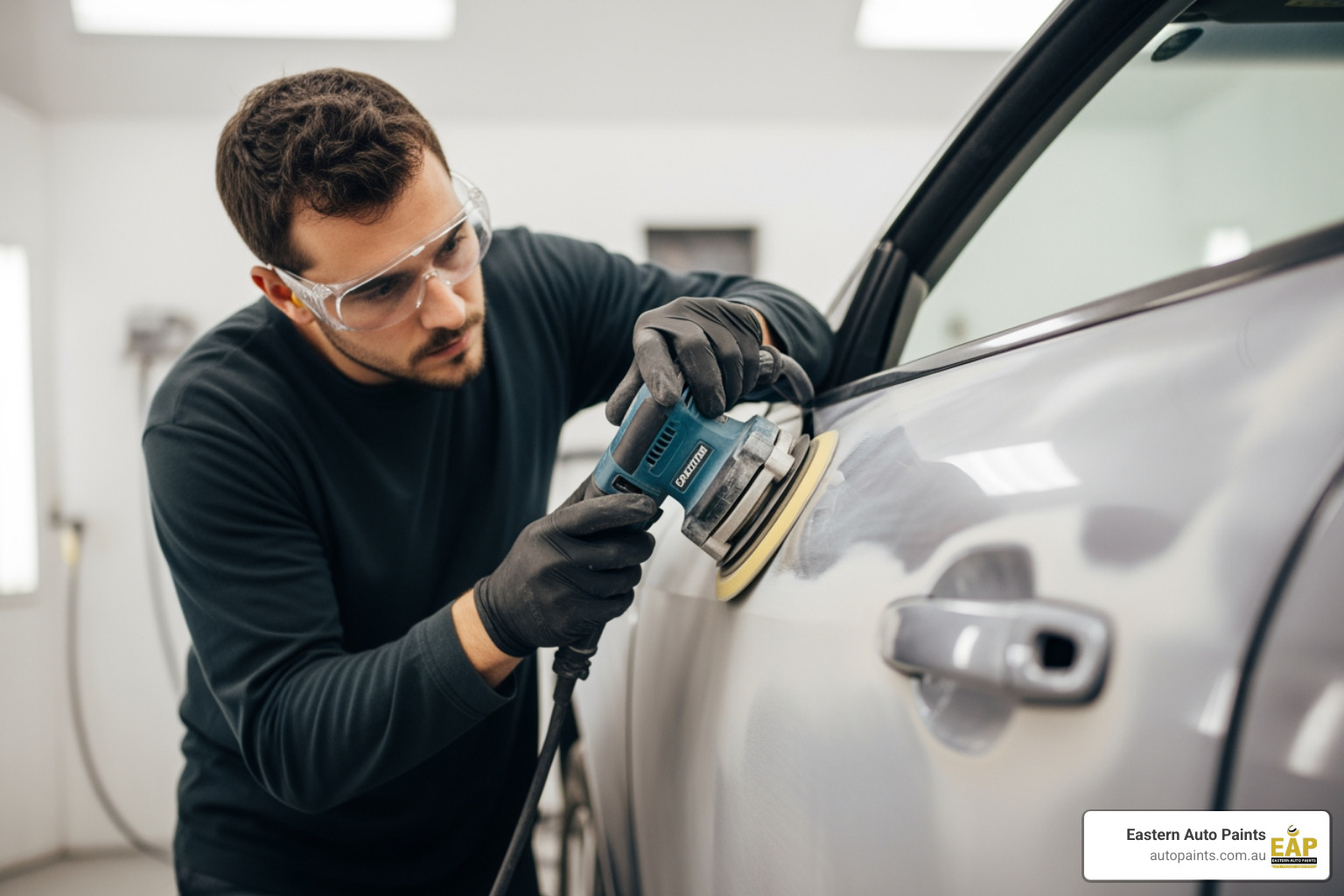
Mechanical Paint Removal Methods
Mechanical removal involves physically abrading paint from the surface. It's ideal for getting down to bare metal or tackling heavy rust.
- Sanding: This is the most common method, from hand-sanding small areas to using dual-action (DA) sanders for large panels. It offers great control but can be time-consuming. Start with coarse grits (P80-P180) to remove bulk paint and move to finer grits (P240-P320) for smoothing. We stock a full range of sanding sheets.
- Media Blasting: This technique propels abrasive media (sand, glass beads) at the surface. It's highly efficient for large areas but requires special equipment and skill to avoid warping thin panels.
- Abrasive Wheels: Stripping wheels attached to grinders can quickly remove paint and rust but demand a steady hand to prevent gouging the metal.
Chemical Paint Removal: The Best Car Colour Remover Options
Chemical paint removers break down the paint's molecular structure, causing it to blister and lift. This method is often less labour-intensive, especially for complex shapes.
Traditional solvent-based strippers work fast but contain harsh chemicals like methylene chloride, requiring extensive PPE and ventilation. In contrast, modern low-VOC and eco-friendly strippers are safer, often water-based, and work by gently breaking paint bonds. They take longer but are a more responsible choice. Many are thick gels that cling to vertical surfaces, improving efficiency. Explore our paint stripping products to find the right fit.
Note: All products discussed are available through Eastern Auto Paints. For advice on the best option for your project, contact our team.
Removing Paint from Metal vs. Plastic Parts
The material you're stripping dictates the method. Metal panels are forgiving and compatible with both mechanical and chemical methods. A combination of chemical stripping followed by light media blasting is a professional standard for a perfectly prepped surface.
Plastic parts like bumpers and trim require extreme caution. Harsh solvent-based strippers can melt or warp them. For plastics, the safest options are careful mechanical sanding with fine grits or using a specific plastic-safe, low-VOC chemical remover. Always test any car colour remover on an inconspicuous area first to prevent irreversible damage.
Safety First: Essential Precautions for Paint Removal
Working with car colour removers involves potent chemicals that can cause serious harm if handled improperly. Your health and safety, along with protecting your workspace and the environment, must be your top priority.
Personal Protective Equipment (PPE) is Non-Negotiable
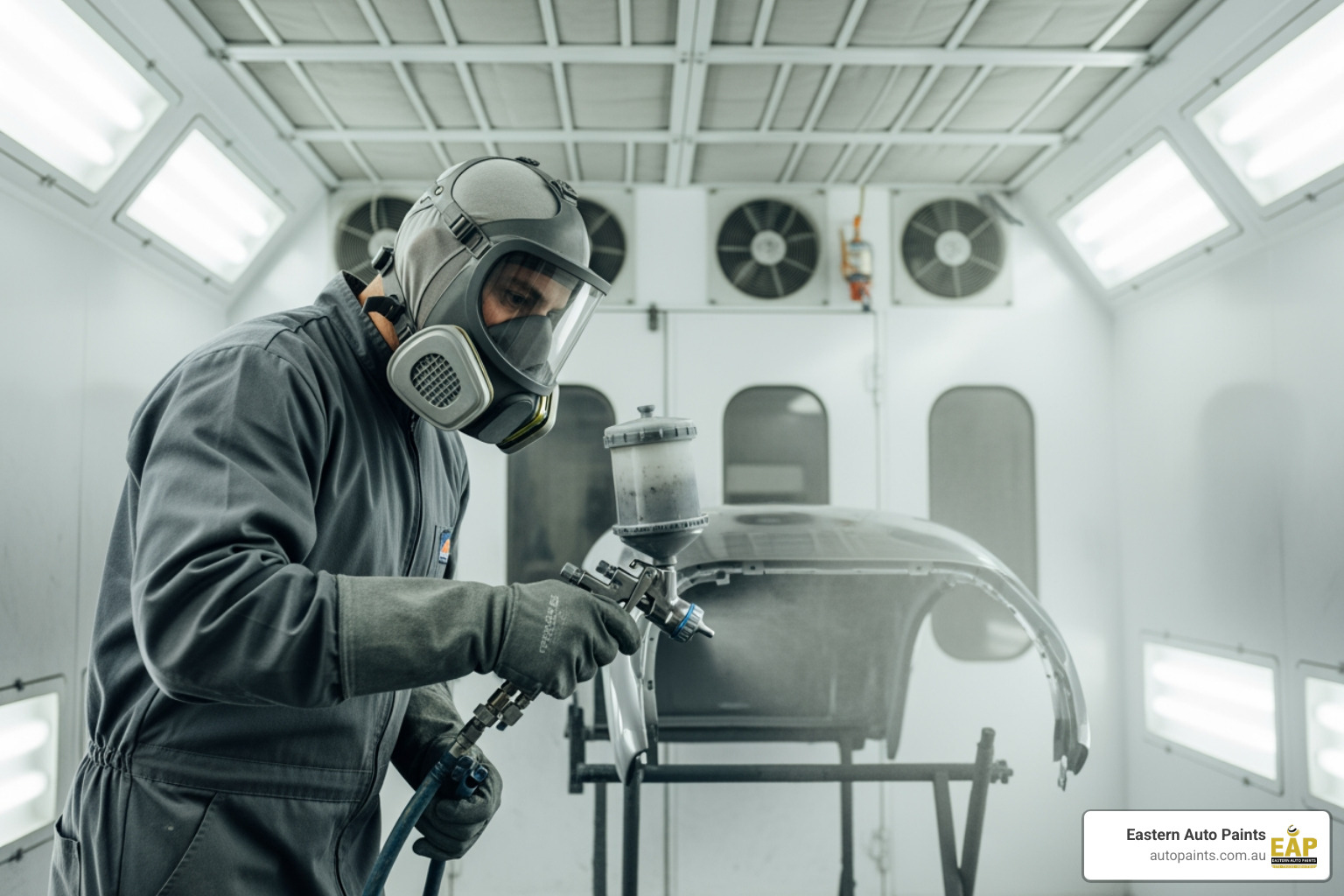
Using the correct PPE is not optional. At a minimum, you need:
- Respirator: A respirator with organic vapour cartridges is necessary for fumes. When spraying 2K isocyanates, use an Air Fed Mask or another atmosphere-supplying system as required by your workplace risk assessment. Always consult the product's Safety Data Sheet (SDS). We stock a range of PPE masks and safety gear.
- Gloves and Eye Protection: Use chemical-resistant gloves to protect your skin from burns and absorption. Safety goggles or a face shield are essential to guard against splashes.
- Overalls: Full-body overalls protect your skin and clothing from chemical contact.
Workspace and Environmental Safety
Proper ventilation is critical to prevent the buildup of toxic and flammable fumes. Always work in a well-ventilated space, using open doors, windows, or exhaust fans to ensure good airflow.
Disposing of hazardous waste correctly is another key responsibility. Used paint remover, scraped paint, and contaminated rags must not be thrown in regular rubbish or poured down drains. Contact your local council in Victoria, Sydney, or Queensland for proper disposal guidelines.
Many strippers contain high levels of Volatile Organic Compounds (VOCs), which are harmful to health and the environment. Where possible, choose low-VOC alternatives. For businesses, UNIC solvent recycling machines can significantly reduce waste and costs. We stock professional-grade, UK-made UNIC units in the 20 to 60 L range. Explore our workshop equipment for more on these professional systems.
Step-by-Step Guide to Removing Paint
Whether you're fixing minor damage or undertaking a full restoration, the car colour remover process requires a methodical approach to achieve the best results.
How to Remove Unwanted Contaminants and Overspray
Not all paint issues need a full strip. For surface contaminants, act quickly with the right products to avoid damaging the original finish.
- Bird Droppings & Tree Sap: These are acidic and can etch your clear coat. Wash immediately with car shampoo. For stubborn sap, use a dedicated tar and glue remover.
- Water Spots: These are mineral deposits that can also etch paint. Use a specialised water spot remover, followed by a light polish if needed.
- Spray Paint Overspray: A clay bar with lubricant can often lift light overspray safely. For more stubborn spots, test denatured alcohol on an inconspicuous area first.
- Adhesive Residue: Warm the residue with a hairdryer, then use a tar and glue remover on a microfiber cloth.
How to Use a Chemical Car Colour Remover on Metal
For stripping multiple layers down to bare metal, a chemical car colour remover is highly effective. Follow these steps carefully for a successful outcome.
Preparation: Thoroughly clean the area with a wax and grease remover to eliminate contaminants. Mask off any areas you want to protect, like plastic trim, rubber seals, and glass. For faster results, lightly scuff the paint with a coarse abrasive pad (36-80 grit) to help the stripper penetrate.
Application: Apply a thick, even coat of the stripper with a natural bristle brush (chemicals will dissolve synthetic ones). Work in manageable sections. To prevent the stripper from drying out, especially in warm weather, you can cover the area with plastic film. This extends the working time.
Removal: Wait for the recommended dwell time (15-30 minutes for most, longer for eco-friendly options) until the paint bubbles and lifts. Use a plastic scraper to gently remove the softened paint, collecting the waste for proper disposal. You may need to repeat the process for multiple paint layers.
Neutralisation: This final step is crucial for new paint adhesion. Clean the surface according to the stripper manufacturer's instructions, typically with a specific neutraliser, denatured alcohol, or a thorough water rinse followed by a wax and grease remover. Any residue left behind will cause your new paint to fail.
We stock a professional range of paint stripping products and our team can help you choose the right one. Contact our team for expert advice.
Preparing the Bare Surface for a Flawless New Finish
Stripping the paint is just the beginning. Meticulous surface preparation is where a flawless, long-lasting finish is truly made. We've found that most adhesion issues come down to poor surface prep. The bare metal is vulnerable and needs immediate, careful attention.
Cleaning, Sanding, and Rust Prevention
First, degrease the entire surface with a wax and grease remover and a clean, lint-free cloth to remove any remaining oils or residues. Next, sand the surface to create the ideal texture for primer. Start with P180 or P240 grit and work your way up to P320 or P400 for a smooth profile. If you're not stripping the whole panel, be sure to feather the edges of the old paint to create a seamless transition. We have a complete selection of sanding sheets for this.
Address any rust immediately. A rust converter like Galmet Rust Paint chemically transforms rust into a stable, paintable surface. For a deeper look at rust treatment, see our Beginner's Guide to Rust Repair and Prevention. Finally, fix any dents or dings with high-quality body fillers, sanding them smooth before priming.
Applying the Right Primer for Maximum Adhesion
Primer is the essential bridge between bare metal and your topcoat. Skipping it is a recipe for failure.
Etch Primer: For bare metal, an etch primer like Concept 103 Etch Primer is your foundation. It chemically bonds to the metal, providing a strong base and corrosion resistance.
Epoxy Primer: For superior adhesion and moisture resistance, an epoxy primer like EPO Epotec Primer Surfacer is an excellent choice. It seals the metal completely, though it may need light sanding if left for several weeks before top coating. Our Guide to Epoxy Primer Paint for Cars explains more.
High-Build 2K Primer: Applied over your etch or epoxy primer, a 2K primer fills minor imperfections and creates a perfectly smooth, sandable base for your colour coat.
Choosing the right primer system ensures your paint job will adhere properly and last for years. For more help, read our Practical Guide to Choosing Auto Paint Primers.
Frequently Asked Questions about Car Paint Removal
Can I use household paint stripper on my car?
We strongly advise against it. Household strippers are not designed for complex, multi-layered automotive paint systems. They can be too aggressive, potentially damaging metal or melting plastic parts. They can also leave chemical residues that cause new paint to peel or fail. Always use an automotive-specific car colour remover designed for your vehicle's finish. If you're unsure, contact our team for advice.
How long does it take to strip an entire car?
The time it takes varies significantly. Key factors include:
- Removal Method: Media blasting is fast on large panels, while chemical stripping involves dwell time, and hand sanding is labour-intensive.
- Paint Condition: A car with multiple, thick layers of old paint will take much longer than one with a single, newer coat.
- Vehicle Size and Complexity: A small, simple car is quicker to strip than a large, classic vehicle with intricate body lines and trim.
For a DIYer, stripping a car is a multi-day or even multi-week project. Professionals with specialised equipment can do it faster, but it remains a demanding process.
What are the legal consequences of using paint remover for vandalism?
Using a car colour remover to intentionally damage someone's vehicle is vandalism, a serious criminal offence. The consequences are severe and not worth it.
- Criminal Charges: You can face charges for property damage, leading to substantial fines, community service, and even imprisonment. A criminal record has long-lasting negative effects on your life.
- Civil Liability: The vehicle owner can sue you for the full cost of repairs, which can easily run into thousands of dollars for a professional respray.
Intentionally damaging property is never the answer. If you have a dispute, address it through legal and constructive channels.
From Stripped to Stunning
The journey from a worn finish to a perfectly prepared surface requires dedication, but the results are worth it. Mastering car colour remover techniques is about laying the foundation for a professional and durable new finish that will last for years.
We've covered the differences between strippers, thinners, and reducers, explored removal methods, and stressed the importance of safety and preparation. Whether you're doing a spot repair or a full restoration, the key principles are consistent: choose the right method, prioritise safety, and never rush the prep work. A great paint job is built on the careful steps taken before the colour is even opened.
At Eastern Auto Paints, we've spent over 34 years helping customers in Victoria, Sydney, and Queensland achieve superior results. Our team understands the nuances of automotive paint systems and is here to share that knowledge with you.
Ready to transform your project? Explore our full range of automotive refinishing products online, or contact our expert team for advice custom to your project. We're here to help you achieve results you'll be proud of.