
A Beginner's Guide to Automotive Paint Types
Automotive Paint Guide for Trade-Grade Refinishing and Lasting Protection
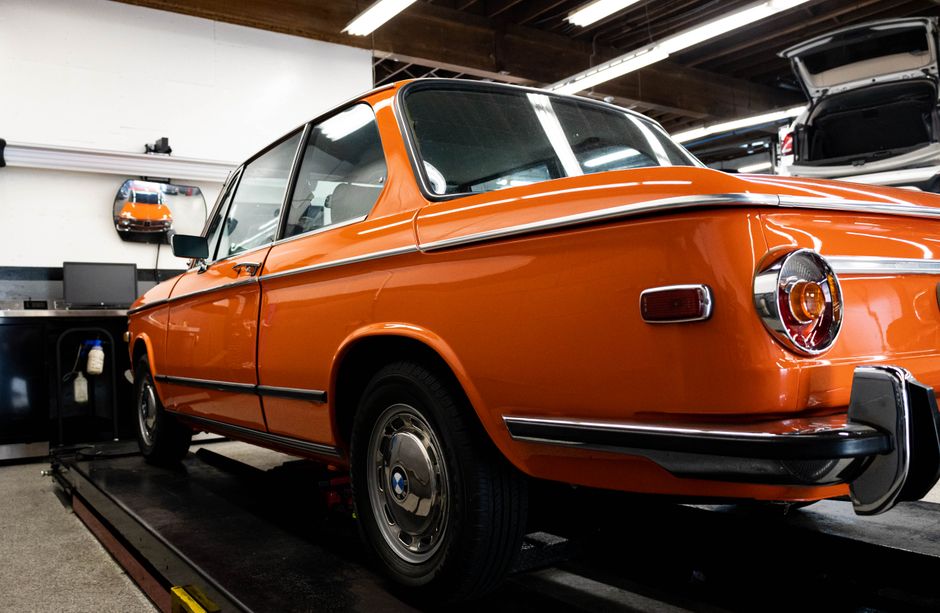
A rushed refinishing job often starts with whatever coating is closest to hand, only to show through later as poor adhesion, uneven texture, or peeling clear coat. A better path is to match the substrate, primer, colour basecoat, and protective clear coat as one fully compatible system. This automotive paint guide explains the main coating chemistries, layer structures, and preparation standards so you can plan a repair or restoration around the exact finish your vehicle requires.
Key Takeaways
- Paint chemistry dictates performance. Lacquer, enamel, urethane, and waterborne products cure through distinct chemical and evaporative processes.
- Preparation controls longevity. Thorough chemical cleaning, mechanical sanding profiles, and stable foundations prevent premature coating failure.
- Layer harmony is essential. Primers provide adhesion and build, basecoats deliver colour and metallic distribution, and clear coats provide gloss and UV protection.
- Colour matching requires precision. Digital spectrophotometers and physical variant swatches ensure seamless blends across adjacent panels.
- Quality coating systems. Explore our selection of trade-grade auto paints and check our Paint Primers for Cars Ultimate Guide to build a dependable foundation.
At Eastern Auto Paints (EAP), we pair premium refinishing products with trade-level technical advice from our Bayswater and Dandenong South locations. We supply professional panel beaters, commercial applicators, and serious vehicle restorers across Australia with precision colour formulations, saved formulas, and genuine manufacturer-backed paint systems.
Building each layer with compatible chemistry and adhering to technical specifications delivers a finish that withstands harsh Australian road conditions. We focus on proper coating selection and proven preparation standards to help you achieve a resilient, showroom-standard result on every project.
Australian Climate Challenges and Common Risks in Automotive Refinishing
Vehicles driven across Australia operate under demanding environmental conditions. Intense solar ultraviolet (UV) radiation, high ambient temperatures, sudden humidity spikes, and coastal sea breezes place continuous stress on automotive finishes. When vehicle panels are painted without considering these environmental factors, premature coating failure can occur.
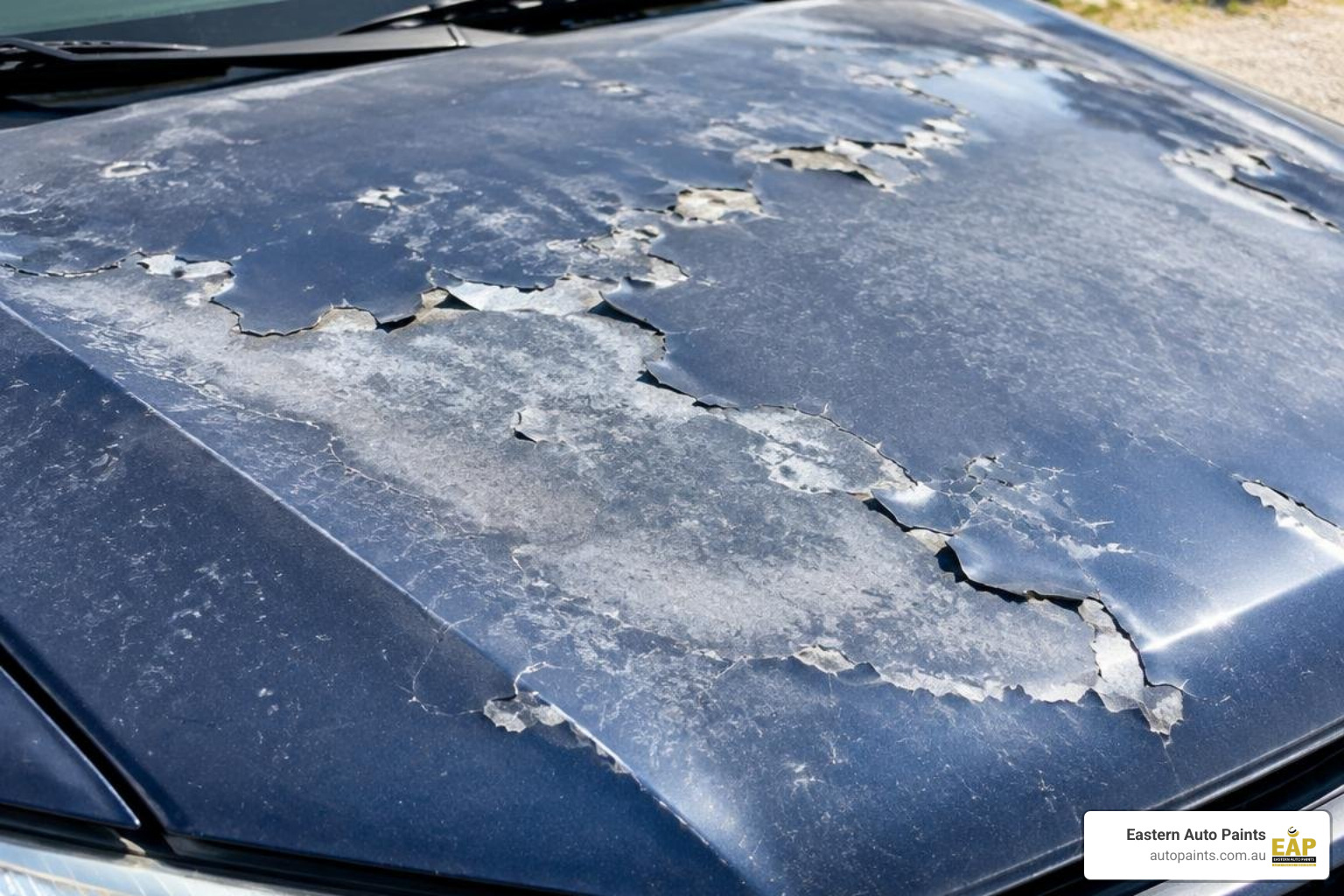
A common issue in warm and humid weather is clear coat delamination, where topcoat layers lose adhesion and peel away from the underlying colour coat. Elevated humidity during spraying can also lead to moisture blushing, trapping microscopic water droplets within the curing paint film and leaving a cloudy haze across the surface. Similarly, rapid temperature swings can trigger solvent entrapment. When the outer skin of a fresh paint coat sets before the carrier solvents evaporate from underneath, microscopic bubbles form pinholes and blisters as they attempt to escape.
Substrate expansion also plays a significant role. Steel, aluminium, and composite panels expand and contract at different rates under direct sunlight. If the underlying primers and body fillers lack adequate flexibility or proper adhesion to the raw metal, the paint system can crack along body seams and repair borders.
Preventing these issues begins with rigorous substrate preparation and proper chemical decontamination. For a detailed walkthrough of cleaning, scuffing, and metal treatment, explore How to Prepare Your Panel for Painting. Application and drying times vary between products and regional weather conditions, so always check the manufacturer's technical data sheet (TDS) or product label for exact environmental guidelines and flash-off specifications before spraying.
Automotive Paint Guide to Refinishing Chemistry and Coating Systems
Automotive paint formulations combine three core components: pigment, binder (resin), and a carrier agent (solvent or water). Pigments provide colour, opacity, and special effects like metallic shimmer or pearlescent depth. The resin binder forms the solid, protective film that holds the pigment together and bonds to the substrate. Solvents keep the resin liquid enough to atomise through a spray gun or aerosol nozzle, evaporating during application to allow the film to set.
Understanding One-Pack (1K) and Two-Pack (2K) Formulations
1K Coatings (Air-Dry/Evaporative) 1K formulations dry naturally through solvent evaporation without requiring an added chemical catalyst or hardener. They offer convenience, quick flash-off intervals, and ease of use directly from a container or aerosol can.
- When you would use this: 1K products are well suited for localised spot primers, quick cosmetic touch-ups, internal brackets, and light-duty refinishing where rapid air-drying is desired.
2K Coatings (Chemically Crosslinked) 2K formulations combine a base resin with a dedicated isocyanate or polyisocyanate hardener prior to application. This initiates a chemical crosslinking reaction that cures into a dense polymer network, providing high gloss retention, chemical resistance, and resilience against road debris and weathering.
- When you would use this: 2K products are well suited for complete vehicle resprays, multi-panel repairs, commercial transport equipment, and daily driven panels where long-term environmental protection is required.
Which One Do You Need?
- Choose 1K coatings when completing small spot priming jobs, temporary storage protection, quick cosmetic repairs, or component spraying where convenient air-drying without mixing hardeners is preferred.
- Choose 2K coatings when refinishing exposed exterior vehicle panels, applying high-gloss clear coats, painting commercial transport assets, or seeking a fully crosslinked, high-durability finish.
Automotive Paint Guide for Single-Stage vs Basecoat Clearcoat Systems
When planning a project, choosing between a single-stage system and a basecoat-clearcoat system depends on the vehicle type, age, and finish requirements.
Single-Stage Systems Single-stage coatings combine colour pigments, resins, and gloss agents into a single formulation. When sprayed, the product forms both the colour foundation and the final shiny surface in one application sequence.
- When you would use this: Single-stage coatings are well suited for solid colours (non-metallics), vintage vehicle restorations where an authentic period-correct finish is desired, commercial ute trays, and fleet vehicles requiring straightforward repairs.
Basecoat-Clearcoat Systems Basecoat-clearcoat setups divide the finishing process into separate functional layers. The basecoat delivers pure colour, opacity, and metallic or pearl flake distribution without inherent gloss. Once the basecoat flashes off, a dedicated, transparent 2K clear coat is applied over the top to provide deep optical clarity, stone-chip resistance, and UV filtration.
- When you would use this: Basecoat-clearcoat systems are the industry standard for modern daily drivers, metallic and pearl finishes, multi-panel refinishing, and high-depth gloss finishes. To understand why dedicated clear coats are used across modern automotive manufacturing, read Does It Really Matter The Ultimate Guide to Automotive Clearcoats.
Automotive Paint Guide for Primer, Basecoat, and Clear Coat Layers
A complete multi-layer paint system relies on purpose-built layers working together:
- Bare Substrate Treatment: Direct-to-metal etch primers containing mild phosphoric acid promote adhesion on bare steel and aluminium while preventing rust formation beneath the paint. High-quality Car Paint Primer Sealer options offer uniform non-sanding sealing over mixed substrates.
- Surfacing and High Build: High-build 2K primer surfacers fill sanding scratches, pinholes, and subtle imperfections. These are blocked flat with dry or wet abrasives before colour application.
- Colour Basecoat: Provides the visual shade and metallic flake layout across the repair area.
- Protective Clear Coat: Seals the basecoat against moisture, UV rays, road grime, and chemical wash products.
Comparing Lacquer, Enamel, Urethane, and Waterborne Formulations
Automotive finishes incorporate several distinct chemical families developed for specific applications:
- Acrylic Lacquer: A classic, evaporative solvent-borne finish known for ease of buffing, fine polishing response, and high initial gloss, frequently chosen for authentic restorations of vintage and historic vehicles.
- Synthetic and Acrylic Enamel: Formulations that dry through oxidation or heat to create a hard, robust shell, frequently used for machinery, agricultural equipment, and commercial truck chassis.
- Polyurethane and 2K Acrylic Urethane: Modern crosslinking formulations that form an elastic, durable barrier with high gloss retention, stone-chip resilience, and resistance to environmental weathering.
- Waterborne Basecoats: Modern formulations that utilise purified water as the primary carrier agent. Waterborne systems lower solvent emissions during application while achieving accurate metallic flake orientation and colour reproduction when finished with a 2K clear coat.
Achieving Exact Colour Formulations and Consistent Trade-Grade Finishes
Achieving an accurate colour match requires more than just knowing a vehicle's make and model. Over time, automotive manufacturers introduce subtle variants of the same paint code to account for differences across assembly plants, paint batches, and supplier formulations. Furthermore, natural weathering and sunlight exposure alter a vehicle's existing paintwork.
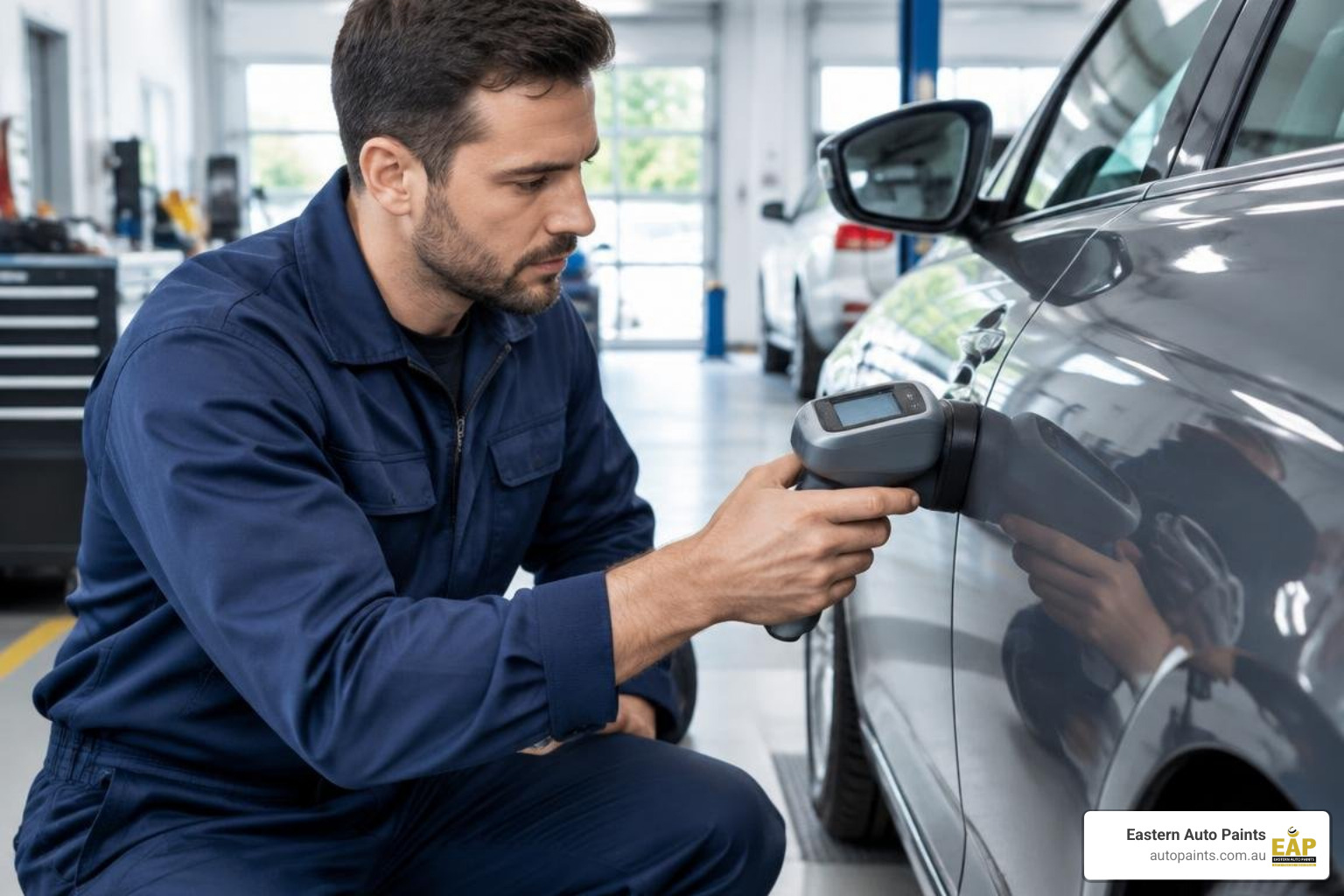
The matching process begins by locating the factory colour code on the vehicle compliance plate, door jamb sticker, or firewall tag. Our professional colour matching services help ensure an accurate blend across adjacent panels.
At Eastern Auto Paints, our technical team utilises advanced spectrophotometer digital imaging and extensive physical colour variant swatches to read the existing finish directly from the panel or a supplied part (such as a fuel filler flap). This data is referenced against extensive manufacturer formulation databases to create custom-tinted batches. For detailed information about this process, consult our Colour Matching Services Complete Guide. Before committing paint to a vehicle body, always spray a test spray-out card with basecoat and clear coat to evaluate the match under natural daylight at multiple angles.
Long-Term Durability, Surface Preparation, and Defect Prevention
A lasting paint finish depends heavily on the cleanliness and mechanical profile of the substrate before paint touches the panel.
Surface Preparation Workflow
- Chemical Cleaning: Wash panels thoroughly with warm soapy water to remove water-soluble salts, dry the panel, and wipe down with a dedicated solvent-based wax and grease remover using a clean two-rag wipe-on, wipe-off method.
- Mechanical Tooth and Feathering: Sand damaged areas to feather the edges of existing paint into the bare metal or plastic substrate. Use a dry guide coat over primer surfacer to highlight low spots, pinholes, and uneven ridges.
- Progressive Sanding Grits: Progress through abrasive grits systematically to eliminate deep scratch marks before applying intermediate and topcoat layers.
- Final De-dusting: Use clean, dry compressed air and an automotive tack cloth immediately prior to spraying to pick up stray lint and airborne dust particles.
Managing Common Paint Defects
- Orange Peel: A bumpy, pebble-like surface texture caused by incorrect gun distance, heavy paint viscosity, or rapid solvent evaporation. Selecting the right equipment from our range of spray guns and accessories ensures proper atomisation and fan pattern control. Cured orange peel can be levelled through progressive wet-blocking and rotary machine polishing.
- Runs and Sags: Excessively heavy wet coats, spraying too close to the panel, or insufficient flash-off time between passes. Allow the run to cure completely before blocking it flush with a firm sanding block.
- Fish-Eyes: Small circular craters caused by surface contamination, such as silicone dressings, oil, or grease on the panel or in the airline. Thorough cleaning and clean, dry compressed air lines help prevent this issue.
Whenever preparing surfaces, spraying coatings, or handling solvents, refer to the specific product label and manufacturer TDS, as well as relevant SafeWork Australia or state WorkSafe guidelines, to ensure appropriate respiratory protection, eye protection, and workspace ventilation are maintained.
What to Expect at Eastern Auto Paints
Eastern Auto Paints operates specialist branches in Bayswater and Dandenong South, supporting Melbourne panel beaters, commercial fleets, industrial coaters, and automotive restorers. When you consult with our team, you gain access to:
- Experienced Trade Specialists: In-person technical advice regarding coating compatibility, spray gun setups, compressor requirements, and troubleshooting.
- Custom Tinting & Precision Matching: Formulations prepared using high-grade digital spectrophotometers and catalogued for future batch consistency.
- Comprehensive Refinishing Inventory: Access to reputable brand partnerships, including our status as a PPG Select Distributor, certified Jotun Australia distributor, and Concept Paints master wholesale distributor for South East Victoria.
- Workshop Equipment: Compressors, filtration systems, infrared drying lamps, pneumatic sanding blocks, and specialised spray guns.
- Aerosol Custom Filling: High-grade 1K and 2K aerosol filling for vehicle colour repairs, custom projects, and component refinishing.
When to Get in Touch or Take Action
While spot repairs and small component spraying are accessible in well-prepared workshop spaces, certain refinishing challenges benefit from trade-level support. You should reach out to our team or consider professional bodyshop facilities when dealing with:
- Complete Vehicle Colour Conversions: Full resprays requiring complete disassembly of door jambs, engine bays, boot wells, and interior sills.
- Severe Structural Corrosion: Rust perforation requiring cut-and-weld steel replacement before coating systems can be applied.
- Complex Tri-Coat Pearls and Tinted Clears: Multi-stage finishes where film thickness directly influences final colour depth and shade.
- Heavy Commercial Equipment and Ute Trays: Projects requiring high-durability coatings, protective polyurethane bedliners, or industrial-grade enamels.
When your project demands accurate formulation support, you can easily Contact Us for tailored advice.
Practical Solutions and Reassurance for Refinishing Success
Achieving a clean automotive finish is a methodical process where every stage builds directly on the care taken in the step before it.
If you encounter minor surface dust nibs or light texture in your clear coat, modern 2K clear coats are engineered to be refined. Once fully cured according to the manufacturer's technical specifications, minor surface imperfections can be wet-sanded using ultra-fine abrasives and buffed back to a deep gloss with compounding pads and finishing polishes. Taking your time through the progressive sanding grits, confirming spray patterns on test cards, and verifying product flash times will ensure a reliable, durable finish on every panel you spray.
Whether you are refinishing a daily driver, restoring a classic vehicle, or managing commercial fleet maintenance, our trade specialists are here to assist with every phase of your coating project.
Partner with Eastern Auto Paints for Your Next Refinishing Project
Our team is dedicated to providing trade-qualified support, dependable coatings, and high-precision colour formulations for workshops and dedicated restorers throughout Australia. Connect with our specialist team to source the ideal products for your vehicle requirements:
- Contact Us for tailored technical advice, equipment recommendations, or custom tinting inquiries.
- Browse our full inventory of trade-grade auto paints for primers, basecoats, and single-stage systems.
- Explore our comprehensive colour matching services supported by digital spectrophotometer technology.
- Equip your workshop with professional spray guns and accessories for reliable atomisation and pattern control.
Frequently Asked Questions About Automotive Refinishing
How long does a full vehicle repaint typically take to complete?
A complete vehicle repaint requires significant time because it involves systematic disassembly of lights, trim, and weatherstrips, followed by panel alignment, dent repairs, chemical cleaning, and masking. Once body preparation is complete, the vehicle moves through primer application, curing, block sanding, colour basecoat spraying, and clear coat application. After the coatings cure fully, panels are de-nibbed, wet-sanded, machine polished, and reassembled. Depending on the extent of necessary bodywork, corrosion remediation, and workshop scheduling, the overall process typically spans from several days to multiple weeks.
What is the fundamental difference between single-stage and basecoat clearcoat systems?
A single-stage paint system combines colour pigments, resins, and gloss components in a single product, curing to form both the colour and the finished shine in one application. In contrast, a basecoat-clearcoat system separates these functions into two distinct layers: an initial matte or semi-gloss basecoat that establishes the colour and metallic distribution, followed by a separate, transparent 2K clear coat that seals the basecoat, creates optical gloss depth, and provides UV and chemical protection.
Can waterborne paint be applied over existing solvent-borne primers?
Waterborne basecoats are commonly applied over fully cured, properly prepared solvent-borne primers and sealers. The crucial factor is ensuring that the underlying solvent-borne primer has cured completely, outgassed its carrier solvents, and been mechanically sanded to create an adequate key for adhesion. Always check the specific coating manufacturer technical data sheets to confirm intercoat compatibility and required flash-off conditions before application.
How do you prevent and fix common paint defects like orange peel and runs?
Preventing orange peel and runs requires balancing spray gun distance, travel speed, air pressure, and paint viscosity to achieve smooth atomisation and wet film build. Allowing proper flash-off times between coats prevents excess wet material from sagging into runs. If defects occur, orange peel and minor runs in cured 2K clear coats can be corrected by carefully block-sanding the affected area flat with fine wet-and-dry abrasive paper, followed by machine compounding and polishing to restore the gloss.
When can you safely wash, polish, or wax a newly painted vehicle?
Freshly applied automotive coatings continue to release residual solvents and crosslink chemically for a period after application. While a vehicle can generally be put back into service once the paint is dust-free and cured to handle, aggressive automated car washes, harsh detergents, silicone sealants, and paste waxes should be avoided during the initial curing window specified by the paint manufacturer. Gentle hand washing with clean water and mild automotive soap is recommended until the coating has completed its full cure cycle.